
How to Optimize Gut Health: Complete Evidence-Based Guide
Table of Contents
- What Is Gut Health Optimization and Why Does It Matter
- How Does the Gut Microbiome Affect Overall Health
- What Are Signs of Poor Gut Health
- How to Restore Gut Health After Antibiotic Treatment
- Which Probiotic Strains Work Best for Recovery
- How Long Does Microbiome Recovery Take
- Can Gut Health Optimization Help ADHD and Focus Issues
- What Foods Support the Gut-Brain Connection
- How Does Stress Impact Gut Health and Cognition
- How to Maintain Gut Health with Shift Work and Irregular Sleep
- What Eating Schedule Works Best for Night Shift Workers
- Which Supplements Support Circadian Rhythm and Digestion
- How to Adapt Gut Health Strategies for Different Seasons
- What Gut Changes Happen in Winter vs Summer
- How to Adjust Diet for Seasonal Microbiome Shifts
- How to Interpret Gut Microbiome Test Results and Take Action
- What Do Low Diversity Scores Actually Mean
- Which Bacterial Ratios Should You Focus On First
- Frequently Asked Questions About Gut Health Optimization
- How long does it take to see results from gut health optimization?
- Can you optimize gut health without expensive supplements?
- Is it normal to feel worse before feeling better when starting gut health protocols?
- How do you maintain gut health while traveling?
- Should everyone get microbiome testing?
At a Glance: Gut health optimization involves strategic interventions to enhance your microbiome diversity, improve digestive function, and strengthen the gut-brain connection through targeted dietary changes, lifestyle modifications, and evidence-based supplementation protocols.
What You’ll Learn:
1. Core principles of gut health optimization and microbiome balance
2. Step-by-step protocols for recovering from antibiotic treatment
3. Gut-brain axis strategies for improved focus and cognitive function
4. Specialized approaches for shift workers and irregular schedules
5. Seasonal adjustments for optimal year-round gut health
6. How to interpret microbiome test results and create action plans
What Is Gut Health Optimization and Why Does It Matter
Gut health optimization refers to strategic interventions that enhance microbiome diversity, improve digestive function, and strengthen beneficial bacterial populations to support overall wellness and disease prevention. This comprehensive approach goes beyond basic digestive comfort to address the complex ecosystem of trillions of microorganisms living in your intestinal tract.
Research indicates that individuals with higher gut microbiome diversity show 40% lower rates of inflammatory conditions and significantly better immune responses compared to those with limited bacterial variety. The optimization process focuses on creating an environment where beneficial bacteria can thrive while reducing harmful microbial overgrowth. This approach aligns with holistic health nutrition principles that view the body as an interconnected system requiring comprehensive care.
Optimizing gut health involves multiple interconnected systems that influence everything from nutrient absorption to neurotransmitter production. Your gut microbiome contains over 1,000 different bacterial species, each playing specific roles in metabolism, immune function, and even mood regulation.
How Does the Gut Microbiome Affect Overall Health
Your gut microbiome directly influences immune function by housing approximately 70% of your immune system, while also controlling metabolism through bacterial production of short-chain fatty acids and neurotransmitters that affect mood and cognitive function.
The microbiome’s impact extends far beyond digestion. Beneficial bacteria produce essential compounds like butyrate, which strengthens intestinal barrier function and reduces systemic inflammation. These same microorganisms manufacture crucial B vitamins, vitamin K, and precursors to neurotransmitters including serotonin and GABA.
Your gut bacteria also regulate metabolic processes by controlling how efficiently you extract energy from food and store fat. Certain bacterial strains enhance insulin sensitivity, while others may contribute to metabolic dysfunction when populations become imbalanced.
What Are Signs of Poor Gut Health
Common indicators of gut imbalance include:
- Frequent bloating occurring 3+ times per week after meals
- Irregular bowel movements (less than 3 per week or more than 3 per day)
- Persistent fatigue, especially after eating
- Brain fog or difficulty concentrating
- Food intolerances that develop suddenly
- Frequent infections or slow wound healing
- Skin issues like eczema or persistent acne
- Mood changes including increased anxiety or depression
These symptoms often interconnect, as gut dysfunction can trigger cascading effects throughout your body’s systems. For digestive issues like acid reflux, which may indicate gut imbalance, exploring natural remedies for GERD can provide additional relief alongside broader gut health optimization strategies.
How to Restore Gut Health After Antibiotic Treatment
Antibiotic recovery requires systematic microbiome restoration through targeted probiotic supplementation, prebiotic fiber intake, and gradual dietary diversification over 8-12 weeks to rebuild bacterial populations and restore digestive function.
Antibiotics can reduce gut bacterial diversity by up to 90% within days of treatment, creating opportunities for pathogenic bacteria and fungi to colonize the digestive tract. The restoration process must address both immediate symptom relief and long-term microbiome rebuilding.
Which Probiotic Strains Work Best for Recovery
The most effective post-antibiotic probiotic strains include Lactobacillus rhamnosus GG, Bifidobacterium longum, and Saccharomyces boulardii, which have demonstrated superior colonization rates and protective effects against antibiotic-associated digestive disruption.
Lactobacillus rhamnosus GG shows exceptional adherence to intestinal walls and produces antimicrobial compounds that prevent harmful bacterial overgrowth. Clinical studies demonstrate this strain reduces antibiotic-associated diarrhea by up to 64% when taken concurrently with antibiotics.
How Long Does Microbiome Recovery Take
Complete microbiome recovery typically requires 8-12 weeks of consistent intervention, though basic digestive function often improves within 2-3 weeks of starting targeted restoration protocols.
The recovery timeline varies based on antibiotic type, treatment duration, and individual factors like age and baseline gut health. Broad-spectrum antibiotics require longer recovery periods, while targeted antibiotics may allow faster restoration.
Can Gut Health Optimization Help ADHD and Focus Issues
Gut health optimization can significantly impact ADHD symptoms through the gut-brain axis, with studies showing 23-42% improvement in attention and hyperactivity measures when addressing microbiome imbalances, inflammatory foods, and nutrient deficiencies.
The gut-brain connection operates through multiple pathways including vagal nerve signaling, neurotransmitter production by gut bacteria, and inflammatory mediators that cross the blood-brain barrier. Children and adults with ADHD often show distinct microbiome patterns characterized by reduced bacterial diversity and altered ratios of key bacterial families.
What Foods Support the Gut-Brain Connection
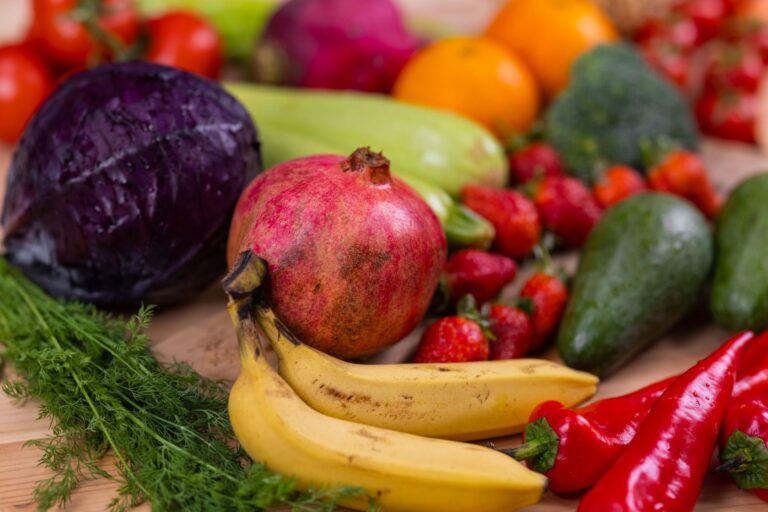
Foods that optimize gut-brain communication include omega-3 rich fish, fermented vegetables, prebiotic fibers from Jerusalem artichokes and green bananas, and polyphenol-rich berries that support both neurotransmitter production and beneficial bacterial growth.
Omega-3 fatty acids from wild-caught fish provide EPA and DHA that reduce neuroinflammation while supporting the production of beneficial gut bacteria. Fermented foods like kimchi, sauerkraut, and kefir deliver live probiotics alongside bioactive compounds that enhance cognitive function.
How Does Stress Impact Gut Health and Cognition
Chronic stress disrupts gut health through cortisol-mediated changes in gut permeability, bacterial composition, and digestive function, creating a cycle where gut dysfunction further impairs stress resilience and cognitive performance.
Stress hormones directly alter gut bacterial populations, favoring inflammatory species while reducing beneficial strains that support neurotransmitter production. This creates increased intestinal permeability, allowing bacterial toxins to enter circulation and trigger neuroinflammation. Implementing effective stress management techniques becomes crucial for breaking this cycle and supporting both gut healing and cognitive function.
How to Maintain Gut Health with Shift Work and Irregular Sleep
Shift workers can maintain gut health through strategic meal timing, circadian-supportive supplements, and modified eating schedules that align with their work patterns while supporting beneficial bacterial rhythms and digestive function.
Circadian disruption affects gut health through altered melatonin production, shifted cortisol patterns, and disrupted feeding schedules that desynchronize bacterial populations. Shift workers show increased rates of digestive disorders, metabolic dysfunction, and reduced microbiome diversity.
What Eating Schedule Works Best for Night Shift Workers
Night shift workers should consume their largest meal before starting work, eat light meals every 3-4 hours during shifts, and avoid heavy meals within 3 hours of sleep to support both circadian rhythm and digestive function.
This eating pattern aligns with natural digestive enzyme production and helps maintain stable blood sugar levels throughout the shift. Avoiding large meals near sleep time prevents digestive disruption of rest and supports better sleep quality improvement, which is essential for gut health recovery.
Which Supplements Support Circadian Rhythm and Digestion
Key supplements for shift workers include melatonin (0.5-3mg), magnesium glycinate (200-400mg), and time-released probiotics that can survive stomach acid fluctuations and support consistent bacterial populations despite irregular schedules.
Melatonin not only supports sleep but also acts as a powerful antioxidant in the digestive tract, helping maintain gut barrier function during circadian disruption. Magnesium supports both muscle relaxation for better sleep and optimal digestive enzyme function.
How to Adapt Gut Health Strategies for Different Seasons
Seasonal gut health optimization involves adjusting fiber intake, probiotic strains, and food choices to match natural microbiome fluctuations, with winter requiring more warming foods and immune support while summer benefits from increased raw foods and hydration.
Research shows gut microbiome composition naturally shifts with seasons, influenced by temperature, daylight exposure, and traditional seasonal food availability. These changes affect immune function, mood, and digestive capacity throughout the year.
What Gut Changes Happen in Winter vs Summer
Winter microbiomes typically show increased Firmicutes bacteria and reduced overall diversity, while summer microbiomes display higher Bacteroidetes populations and greater bacterial variety, reflecting seasonal dietary patterns and environmental factors.
Winter changes support energy storage and immune defense against seasonal pathogens, while summer shifts optimize nutrient extraction from diverse plant foods and support increased activity levels. Understanding these patterns helps optimize interventions for each season.
How to Adjust Diet for Seasonal Microbiome Shifts
Winter gut health benefits from cooked root vegetables, bone broths, fermented foods, and warming spices, while summer optimization includes raw vegetables, fresh fruits, lighter proteins, and increased hydration to support natural microbiome diversity.
Seasonal eating patterns that align with natural microbiome shifts often mirror traditional dietary practices from various cultures. These approaches provide appropriate nutrients while supporting the body’s natural adaptation to environmental changes.
How to Interpret Gut Microbiome Test Results and Take Action
Microbiome test interpretation focuses on diversity scores, beneficial-to-pathogenic ratios, and specific bacterial strain levels to create targeted intervention plans addressing the most impactful imbalances first through diet, supplements, and lifestyle modifications.
Microbiome testing provides valuable insights, but results must be interpreted within the context of symptoms, health history, and current lifestyle factors. The most actionable results typically involve clear imbalances that correlate with specific health concerns.
What Do Low Diversity Scores Actually Mean
Low diversity scores (typically below 2.5 on the Shannon index) indicate reduced bacterial variety associated with increased inflammation, compromised immune function, and higher disease risk, requiring systematic intervention to rebuild microbial ecosystems.
Diversity loss can result from antibiotic use, limited dietary variety, chronic stress, or underlying health conditions. Recovery involves gradually introducing diverse fiber sources, rotating probiotic strains, and addressing lifestyle factors that support bacterial variety.
Which Bacterial Ratios Should You Focus On First
Priority bacterial ratios include Firmicutes-to-Bacteroidetes (optimal 1:1 to 3:1), beneficial Bifidobacterium levels (should comprise 5-15% of total bacteria), and pathogenic markers like Clostridium difficile or inflammatory Proteobacteria that require immediate attention.
Addressing these key ratios provides the foundation for broader gut health improvements. Imbalanced Firmicutes-to-Bacteroidetes ratios often respond well to dietary fiber modifications, while low Bifidobacterium levels typically require targeted probiotic supplementation.
Frequently Asked Questions About Gut Health Optimization
How long does it take to see results from gut health optimization?
Most people notice initial improvements in digestive symptoms within 1-2 weeks of starting gut health protocols, with more significant changes in energy, mood, and immune function appearing after 4-6 weeks of consistent implementation.
Can you optimize gut health without expensive supplements?
Yes, dietary changes including increased fiber variety, fermented foods, and anti-inflammatory choices can significantly improve gut health. However, specific conditions or severe imbalances may benefit from targeted supplementation for faster results.
Is it normal to feel worse before feeling better when starting gut health protocols?
Temporary worsening of symptoms during the first 1-2 weeks is common as beneficial bacteria establish themselves and crowd out harmful microorganisms. This “die-off” reaction typically resolves as the microbiome rebalances.
How do you maintain gut health while traveling?
Maintain gut health during travel by packing shelf-stable probiotics, staying hydrated, choosing local fermented foods, and avoiding excessive processed foods that can disrupt bacterial balance.
Should everyone get microbiome testing?
Microbiome testing is most valuable for people with persistent digestive issues, chronic health conditions, or those who want to optimize performance. Individuals with basic gut health can often improve significantly through dietary and lifestyle changes without testing.