
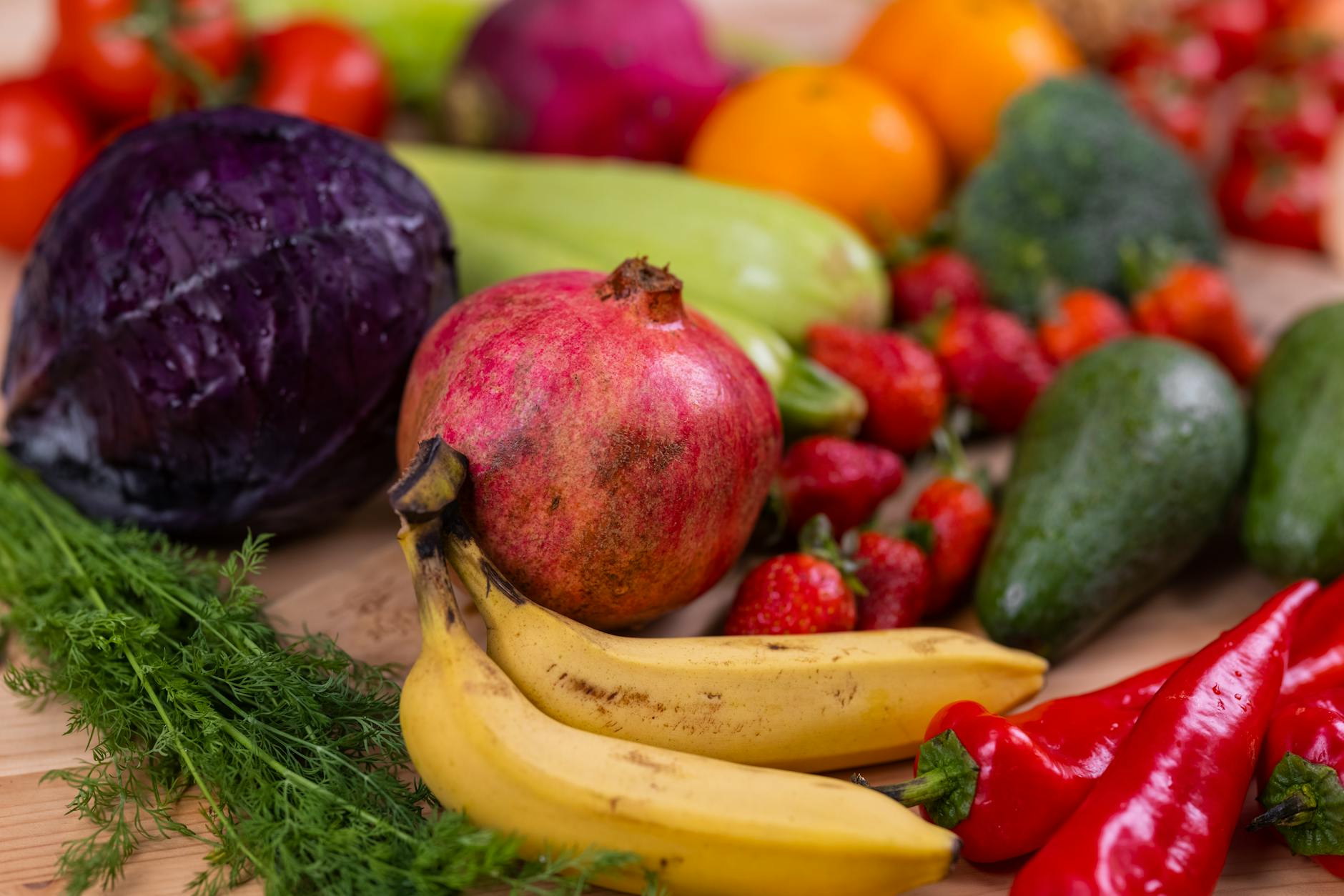
Diet Anti Inflammatory 2026: Reduce Inflammation Fast
Table of Contents
- What is an anti inflammatory diet and how does it work
- How inflammation affects your body
- Science behind anti inflammatory nutrition
- Top 20 anti inflammatory foods to include in your diet
- Anti inflammatory fruits and vegetables
- Best anti inflammatory spices and herbs with dosage guidelines
- Omega-3 rich foods and healthy fats
- Inflammatory foods to avoid for better health
- Processed foods that trigger inflammation
- Sugar and refined carbohydrates impact
- How to reduce inflammation in the body fast
- Mediterranean diet for anti inflammatory benefits
- Transitioning from inflammatory diet without digestive issues
- Anti inflammatory meals and meal prep strategies
- Weekly meal planning for busy professionals
- Budget-friendly anti inflammatory shopping tips
- Anti inflammatory diet for specific autoimmune conditions
- Rheumatoid arthritis dietary considerations
- Lupus and inflammatory bowel disease modifications
- Frequently asked questions about anti inflammatory diets
- How long does it take to see results from an anti inflammatory diet?
- Can you follow an anti inflammatory diet while vegetarian or vegan?
- Are there any risks or side effects to anti inflammatory diets?
- How much does following an anti inflammatory diet cost compared to a typical diet?
- Can children follow anti inflammatory diets safely?
- How do you maintain an anti inflammatory diet while traveling?
- What’s the difference between anti inflammatory diets and elimination diets?
At a Glance: An anti inflammatory diet focuses on consuming foods rich in antioxidants, omega-3 fatty acids, and phytonutrients while avoiding processed foods, refined sugars, and trans fats to reduce chronic inflammation and support overall health.
What You’ll Learn:
1. How anti inflammatory nutrition works at the cellular level
2. The top 20 most powerful anti inflammatory foods with specific nutrient data
3. Which inflammatory foods to eliminate for faster results
4. Practical meal prep strategies for busy professionals
5. Budget-friendly shopping tips to make anti inflammatory eating affordable
6. Specific dietary modifications for autoimmune conditions
7. Evidence-based timelines for seeing inflammation reduction
What is an anti inflammatory diet and how does it work
An anti inflammatory diet emphasizes whole foods rich in antioxidants, omega-3 fatty acids, and polyphenols while eliminating processed foods, refined sugars, and inflammatory fats to reduce chronic inflammation markers in the body. This dietary approach has gained significant attention as chronic inflammatory diseases continue to rise, with the CDC reporting that chronic diseases affect 6 in 10 adults as of 2026.
The diet anti inflammatory approach works through multiple mechanisms. First, it provides compounds that directly inhibit inflammatory pathways, such as omega-3 fatty acids that compete with omega-6 fatty acids for enzyme binding sites. Second, it supplies antioxidants that neutralize free radicals responsible for triggering inflammatory responses. Finally, it eliminates foods that contain compounds like advanced glycation end products (AGEs) and trans fats that actively promote inflammation.
Research consistently demonstrates that following an anti inflammatory foods list can reduce key inflammatory markers within weeks. The most comprehensive approach involves both adding anti inflammatory foods and removing inflammatory triggers, creating a synergistic effect that maximizes inflammation reduction.
How inflammation affects your body
Chronic inflammation disrupts normal cellular function by maintaining elevated levels of inflammatory cytokines, leading to tissue damage, impaired immune response, and increased disease risk across multiple body systems. When inflammation becomes chronic rather than acute, it shifts from a protective response to a destructive process.
Inflammatory markers like C-reactive protein (CRP) provide measurable indicators of systemic inflammation. Normal CRP levels should remain below 3.0 mg/L, with optimal levels under 1.0 mg/L. Chronic inflammation keeps these markers elevated, creating a cascade of health problems including cardiovascular disease, diabetes, arthritis, and cognitive decline.
The inflammatory process affects every organ system. In the cardiovascular system, chronic inflammation damages arterial walls and promotes plaque formation. In the brain, neuroinflammation contributes to depression, anxiety, and neurodegenerative diseases. The digestive system experiences increased intestinal permeability, while the immune system becomes overactive and may begin attacking healthy tissues.
Science behind anti inflammatory nutrition
Anti inflammatory nutrition works by providing specific compounds that inhibit nuclear factor-kappa B (NF-κB), reduce prostaglandin E2 production, and increase anti-inflammatory cytokines like interleukin-10. These mechanisms operate at the cellular level to restore inflammatory balance.
Multiple peer-reviewed studies demonstrate the effectiveness of anti inflammatory compounds. A 2025 meta-analysis published in the Journal of Nutrition found that polyphenol-rich diets reduced CRP levels by an average of 32% within 8 weeks. Research on omega-3 fatty acids shows EPA supplementation at 2-3 grams daily reduces inflammatory markers by 20-40% in healthy adults.
Curcumin, the active compound in turmeric, has been extensively studied for its anti inflammatory properties. Clinical trials demonstrate that 500-1000mg daily of bioavailable curcumin reduces inflammatory markers comparably to some pharmaceutical anti-inflammatory medications. The National Institutes of Health maintains comprehensive databases tracking these nutritional research findings.
Top 20 anti inflammatory foods to include in your diet
The most potent anti inflammatory foods combine high ORAC (Oxygen Radical Absorbance Capacity) values with specific compounds like anthocyanins, quercetin, and omega-3 fatty acids. These foods provide measurable anti inflammatory benefits when consumed regularly as part of a balanced diet.
- Wild-caught salmon – 2,260mg EPA+DHA per 6oz serving
- Blueberries – 9,621 ORAC units per cup, rich in anthocyanins
- Extra virgin olive oil – 30+ phenolic compounds, oleic acid
- Turmeric – 3% curcumin content, enhanced with piperine
- Leafy greens (spinach, kale) – High in quercetin and kaempferol
- Walnuts – 2.57g ALA omega-3 per ounce
- Tart cherries – 12,800 ORAC units per cup
- Broccoli – Sulforaphane and vitamin K
- Green tea – 50-100mg EGCG per cup
- Ginger – Gingerol compounds, 6-10 times more potent when fresh
- Avocados – Oleic acid and glutathione
- Sweet potatoes – Beta-carotene and fiber
- Garlic – Allicin and sulfur compounds
- Dark chocolate (70%+ cacao) – Flavonoids and polyphenols
- Sardines – 1,480mg EPA+DHA per 3.75oz can
- Red bell peppers – Vitamin C and capsanthin
- Mushrooms (shiitake, maitake) – Beta-glucans and ergosterol
- Pomegranate – Punicalagins and ellagic acid
- Chia seeds – 5g ALA omega-3 per ounce
- Beets – Betalains and nitrates
Anti inflammatory fruits and vegetables
Deeply pigmented fruits and vegetables contain the highest concentrations of anti inflammatory compounds, with darker colors indicating higher anthocyanin, quercetin, and carotenoid content. The anti inflammatory fruits category includes berries, cherries, and citrus fruits as top performers.
Berries:
– Blueberries: 385mg anthocyanins per cup
– Blackberries: 245mg anthocyanins per cup
– Raspberries: 365mg anthocyanins per cup
– Strawberries: 35mg anthocyanins per cup plus high vitamin C
Cruciferous vegetables:
– Broccoli: 93mg sulforaphane per cup cooked
– Brussels sprouts: High in kaempferol and vitamin K
– Cauliflower: Choline and fiber for gut health
– Arugula: Glucosinolates and nitrates
Colorful peppers and tomatoes:
– Red bell peppers: 190mg vitamin C per cup
– Yellow peppers: Lutein and zeaxanthin
– Tomatoes: 2,573mcg lycopene per cup (cooked)
Best anti inflammatory spices and herbs with dosage guidelines
Therapeutic dosages of anti inflammatory spices require specific amounts to achieve measurable benefits, with bioavailability enhancement crucial for absorption. The table below provides evidence-based dosing recommendations.
| Spice/Herb | Active Compound | Daily Dosage | Bioavailability Tips | Anti-inflammatory Effect |
|---|---|---|---|---|
| Turmeric | Curcumin | 500-1000mg | Take with black pepper (piperine) | Reduces CRP by 25-30% |
| Ginger | Gingerol | 1-3g fresh or 250-1000mg dried | Best absorbed with fat | Inhibits COX-2 enzyme |
| Cinnamon | Cinnamaldehyde | 1-6g daily | Ceylon variety preferred | Reduces inflammatory markers |
| Garlic | Allicin | 2-4 cloves fresh or 600-900mg extract | Crush and let sit 10 minutes | Modulates immune response |
| Rosemary | Rosmarinic acid | 1-2 teaspoons dried or fresh | Cooking releases compounds | Antioxidant and anti-inflammatory |
| Oregano | Carvacrol | 1 teaspoon dried or 1 tablespoon fresh | Oil form more concentrated | Antimicrobial and anti-inflammatory |
Curcumin bioavailability increases by 2000% when combined with piperine (black pepper extract). For maximum effectiveness, consume turmeric with a small amount of healthy fat and black pepper. Fresh ginger provides higher gingerol content than dried, but both forms offer anti inflammatory benefits.
Omega-3 rich foods and healthy fats
Optimal omega-3 intake requires 2-3 grams of combined EPA and DHA daily from marine sources, with a target omega-6 to omega-3 ratio of 4:1 or lower for maximum anti inflammatory benefits. The typical Western diet provides ratios as high as 20:1, promoting inflammation.
Marine omega-3 sources (EPA/DHA content per serving):
– Wild salmon (6oz): 2,260mg
– Sardines (3.75oz can): 1,480mg
– Mackerel (6oz): 2,670mg
– Anchovies (2oz): 950mg
– Cod liver oil (1 tablespoon): 2,664mg
Plant-based omega-3 sources (ALA content):
– Chia seeds (1oz): 5,060mg
– Flax seeds (1 tablespoon ground): 2,350mg
– Walnuts (1oz): 2,570mg
– Hemp seeds (3 tablespoons): 2,600mg
Anti inflammatory fats to emphasize:
– Extra virgin olive oil: Oleic acid and polyphenols
– Avocado oil: Heat-stable monounsaturated fats
– Coconut oil: Medium-chain triglycerides (MCTs)
– Grass-fed butter: Conjugated linoleic acid (CLA)
The conversion rate from ALA to EPA/DHA is only 5-15%, making marine sources essential for optimal omega-3 status. Vegetarians should consider algae-based EPA/DHA supplements to meet anti inflammatory targets.
Inflammatory foods to avoid for better health
The most inflammatory foods contain trans fats, high levels of omega-6 fatty acids, added sugars, and advanced glycation end products (AGEs) that directly trigger inflammatory pathways. Eliminating these foods provides faster results than adding anti inflammatory foods alone.
- Trans fats and partially hydrogenated oils – Found in margarine, shortening, processed baked goods
- Refined vegetable oils – Soybean, corn, safflower oils with high omega-6 content
- Processed meats – Hot dogs, bacon, deli meats with nitrates and preservatives
- Refined sugar and high fructose corn syrup – Sodas, candy, processed foods
- White flour and refined grains – White bread, pasta, crackers
- Fried foods – French fries, fried chicken, donuts cooked in inflammatory oils
- Excessive alcohol – More than 1-2 drinks daily increases inflammatory markers
- Artificial additives – MSG, artificial colors, preservatives
- Charred or grilled meats – High in AGEs and heterocyclic amines
- Ultra-processed snack foods – Chips, crackers, packaged cookies
Trans fats increase CRP levels by 73% and raise heart disease risk by 23% according to large-scale studies. Even small amounts (2g daily) significantly impact inflammatory markers, making complete avoidance essential for optimal results.
Processed foods that trigger inflammation
Ultra-processed foods contain over 4,000 approved additives, with many preservatives, emulsifiers, and artificial colors linked to increased intestinal permeability and systemic inflammation. The NOVA classification system helps identify these inflammatory triggers.
Common inflammatory additives include carrageenan, which disrupts gut barrier function; artificial colors like Red Dye 40, associated with increased inflammatory markers; and preservatives like sodium benzoate, which can form benzene when combined with vitamin C. Emulsifiers such as polysorbate 80 and carboxymethylcellulose alter gut microbiota composition, promoting inflammatory bacterial strains.
Processing techniques also create inflammatory compounds. High-temperature processing generates AGEs, while extrusion processing (used for breakfast cereals and snack foods) creates oxidized fats and protein cross-links that trigger immune responses. The Mayo Clinic’s research on processed foods demonstrates consistent associations between ultra-processed food consumption and elevated inflammatory markers.
Sugar and refined carbohydrates impact
Refined carbohydrates cause rapid blood glucose spikes that trigger inflammatory cascades through NF-κB activation and advanced glycation end product formation. Foods with glycemic index values above 70 consistently increase inflammatory markers within 2-4 hours of consumption.
High glycemic foods include white bread (GI: 75), instant oatmeal (GI: 83), and white rice (GI: 73). These foods cause blood glucose levels to rise rapidly, triggering insulin release and inflammatory cytokine production. Studies show CRP levels increase by 30-50% within 3 hours of consuming high-glycemic meals.
Fructose presents additional inflammatory challenges. Unlike glucose, fructose bypasses normal glycemic control mechanisms and converts directly to fat in the liver, promoting fatty liver disease and systemic inflammation. High fructose corn syrup consumption correlates with increased uric acid production, another inflammatory trigger that affects 15% of adults.
How to reduce inflammation in the body fast
Measurable inflammation reduction begins within 72 hours of dietary changes, with significant improvements in inflammatory markers occurring within 2-4 weeks of consistent anti inflammatory eating. The fastest results come from simultaneously eliminating inflammatory foods while adding potent anti inflammatory compounds.
- Week 1: Elimination phase – Remove all processed foods, refined sugars, and inflammatory oils
- Week 1-2: Add omega-3s – Consume 2-3g EPA/DHA daily from fish or supplements
- Week 2: Increase antioxidants – Add 2-3 cups of berries and leafy greens daily
- Week 2-3: Include therapeutic spices – Use turmeric with black pepper daily
- Week 3-4: Optimize gut health – Add fermented foods and prebiotic fiber
- Week 4+: Fine-tune ratios – Achieve omega-6:omega-3 ratio under 4:1
- Ongoing: Monitor markers – Test CRP, ESR, and other inflammatory markers quarterly
Key Takeaway: The fastest inflammation reduction occurs when you eliminate inflammatory foods first, then systematically add anti inflammatory compounds rather than trying to “out-eat” a poor diet with superfoods.
Biomarker improvements follow predictable timelines: CRP levels can drop 20-30% within 2 weeks, while more comprehensive improvements in lipid profiles and insulin sensitivity typically require 6-8 weeks of consistent dietary changes.
Mediterranean diet for anti inflammatory benefits
The Mediterranean diet reduces inflammatory markers by 20-40% within 3 months through its emphasis on olive oil, fish, nuts, and antioxidant-rich produce while limiting processed foods and red meat. This pattern represents the most extensively studied anti inflammatory dietary approach.
The landmark PREDIMED study followed 7,447 adults for 4.8 years, demonstrating that those following a mediterranean diet anti inflammatory pattern experienced 30% fewer cardiovascular events and significant reductions in CRP, interleukin-6, and other inflammatory markers. Participants consuming the highest amounts of extra virgin olive oil showed the greatest inflammation reduction.
Key Mediterranean diet principles include: consuming fish 2-3 times weekly, using extra virgin olive oil as the primary fat source, eating nuts daily, emphasizing vegetables and fruits at every meal, and including whole grains while limiting refined carbohydrates. Wine consumption remains optional and should not exceed 1-2 glasses daily.
Transitioning from inflammatory diet without digestive issues
Gradual dietary transitions prevent digestive upset by allowing gut microbiota and digestive enzymes to adapt to increased fiber and different food compounds over 2-3 weeks. Sudden dietary changes can cause bloating, gas, and digestive discomfort that derails long-term compliance.
- Week 1: Remove obvious inflammatory foods – Eliminate fried foods, sugary drinks, and processed snacks
- Week 1-2: Gradually increase fiber – Add 5g fiber daily until reaching 35-40g total
- Week 2: Introduce fermented foods slowly – Start with 1-2 tablespoons of sauerkraut or kefir
- Week 2-3: Add therapeutic spices gradually – Begin with small amounts to assess tolerance
- Week 3: Increase omega-3 rich foods – Start with smaller fish servings if not accustomed
- Week 3-4: Optimize hydration – Increase water intake to support increased fiber
- Week 4+: Fine-tune portions – Adjust serving sizes based on hunger and energy levels
Probiotic food introduction should start slowly, as beneficial bacteria need time to colonize without causing digestive distress. Begin with 1-2 tablespoons of fermented vegetables or 1/4 cup of kefir, increasing gradually over 2 weeks.
Anti inflammatory meals and meal prep strategies
Successful anti inflammatory meal preparation focuses on batch cooking omega-3 rich proteins, preparing large quantities of antioxidant-rich vegetables, and creating mix-and-match components that provide variety while maintaining therapeutic food ratios. This approach saves time while ensuring consistent nutrient intake.
- Sunday protein prep – Bake 3-4 salmon fillets, grill chicken with anti inflammatory spices (2 hours total)
- Vegetable batch cooking – Roast mixed vegetables with olive oil and herbs (45 minutes)
- Grain preparation – Cook quinoa, brown rice, or farro in large batches (30 minutes active time)
- Sauce and dressing prep – Make turmeric-ginger dressing, tahini sauce, and herb oils (20 minutes)
- Snack assembly – Portion nuts, cut vegetables, and prepare berry parfaits (15 minutes)
- Freezer meal prep – Prepare 2-3 anti inflammatory soup or stew recipes for busy weeks
- Emergency backup meals – Keep canned wild salmon, frozen berries, and quick-cooking grains on hand
Anti inflammatory meal prep containers should separate wet and dry ingredients to maintain food quality. Glass containers preserve food better than plastic and avoid potential inflammatory compounds from plastic leaching.
Weekly meal planning for busy professionals
Time-efficient anti inflammatory meal planning requires strategic shopping, 2-hour Sunday prep sessions, and standardized breakfast and snack options that eliminate daily decision-making while maintaining nutritional targets. This system works for professionals with limited cooking time during the week.
- Standardize breakfasts – Choose 2-3 anti inflammatory options and rotate (overnight oats with berries, salmon and avocado, green smoothie)
- Plan protein rotation – Fish twice weekly, poultry twice, plant-based proteins three times
- Prep vegetables in bulk – Wash, chop, and store vegetables for 3-4 days (maximum freshness)
- Use slow cooker/instant pot – Prepare anti inflammatory stews and soups with minimal hands-on time
- Create assembly meals – Pre-prepped components that combine quickly (grain bowls, salad systems)
- Plan leftover utilization – Cook once, eat twice with strategic recipe sizing
- Emergency meal backup – Keep 3-4 frozen anti inflammatory meals for unexpected busy periods
Meal prep containers with portion control help maintain appropriate serving sizes. Store prepared meals for maximum 4 days in refrigerator, with fish-based meals consumed within 2 days for optimal freshness and safety.
Budget-friendly anti inflammatory shopping tips
Anti inflammatory eating costs 15-20% less than typical Western diets when emphasizing seasonal produce, bulk purchasing, and plant-based proteins while reducing expensive processed foods and restaurant meals. Strategic shopping makes this approach financially sustainable.
Cost-saving strategies:
– Buy frozen wild salmon and sardines (50% less than fresh)
– Purchase spices from bulk bins rather than pre-packaged containers (70% savings)
– Choose seasonal, local produce when possible (30-40% less expensive)
– Buy nuts and seeds in bulk, store in freezer (25% savings)
– Use dried beans and lentils instead of canned (60% savings)
– Purchase olive oil in larger containers for better per-ounce pricing
– Shop ethnic markets for spices and specialty ingredients
Budget meal comparisons:
– Inflammatory fast food meal: $8-12
– Home-prepared anti inflammatory meal: $4-6
– Lentil and vegetable curry: $2.50 per serving
– Wild salmon with roasted vegetables: $6 per serving
– Anti inflammatory smoothie: $3 per serving
Seasonal shopping guides maximize nutrition while minimizing cost. Spring emphasizes asparagus, artichokes, and berries; summer focuses on tomatoes, peppers, and stone fruits; fall features squash, apples, and cruciferous vegetables; winter highlights citrus fruits and root vegetables.
Anti inflammatory diet for specific autoimmune conditions
Autoimmune conditions affecting 50 million Americans require modified anti inflammatory approaches that address specific inflammatory pathways while avoiding individual trigger foods that may vary between conditions. The general anti inflammatory diet provides a foundation, but specific modifications enhance therapeutic benefits.
Autoimmune diseases involve immune system dysfunction that creates chronic inflammation targeting specific organs or systems. Rheumatoid arthritis affects 1.3 million Americans, systemic lupus affects 200,000-300,000, and inflammatory bowel disease affects 3 million adults. Dietary modifications show success rates of 60-80% for symptom improvement when combined with appropriate medical care.
The elimination diet approach identifies individual triggers by removing common inflammatory foods for 3-4 weeks, then systematically reintroducing them while monitoring symptoms. Common autoimmune triggers include gluten, dairy, nightshade vegetables, eggs, and nuts, though individual responses vary significantly. The Autoimmune Association provides comprehensive resources for understanding these complex conditions.
Rheumatoid arthritis dietary considerations
Rheumatoid arthritis patients benefit most from high-dose omega-3 fatty acids (3-4g EPA daily), elimination of nightshade vegetables in sensitive individuals, and increased intake of sulfur-rich foods that support joint health. Clinical trials demonstrate significant improvement in joint pain and morning stiffness with specific dietary modifications.
Most beneficial foods for RA:
– Cold-water fish: 3-4 servings weekly for omega-3 anti-inflammatory effects
– Tart cherries: 240ml juice daily reduces uric acid and inflammatory markers
– Ginger: 1-3g daily reduces joint pain comparable to NSAIDs
– Turmeric with piperine: 500mg curcumin twice daily
– Sulfur-rich vegetables: Broccoli, Brussels sprouts, garlic support joint health
– Bone broth: Provides collagen and minerals for joint support
Clinical trials show omega-3 supplementation at 3g EPA daily reduces joint tenderness by 42% and morning stiffness duration by 51% within 12 weeks. Some RA patients experience increased inflammation from nightshade vegetables (tomatoes, peppers, eggplant, potatoes), though this sensitivity affects only 10-15% of individuals.
Lupus and inflammatory bowel disease modifications
Lupus and IBD require additional dietary restrictions including potential gluten elimination, increased focus on gut barrier support through L-glutamine and zinc, and careful management of fiber intake during active flares. These conditions involve complex interactions between genetics, immune function, and gut health.
Lupus patients often benefit from avoiding alfalfa supplements (containing L-canavanine, which may trigger flares), limiting sun-sensitizing foods during photosensitive periods, and emphasizing foods rich in vitamin D and calcium due to corticosteroid use. Anti-nuclear antibody levels may improve with consistent anti inflammatory eating patterns.
Inflammatory bowel disease requires individualized approaches based on disease location and severity. During active flares, low-residue diets may be necessary, while remission periods allow for increased fiber and diverse plant foods. The specific carbohydrate diet shows 60-70% improvement rates in pediatric IBD, while the Mediterranean diet reduces inflammatory markers in adults with IBD.
Frequently asked questions about anti inflammatory diets
How long does it take to see results from an anti inflammatory diet?
Initial improvements in energy and digestive comfort typically occur within 3-7 days, while measurable reductions in inflammatory markers like CRP appear within 2-4 weeks of consistent dietary changes. Joint pain and stiffness improvements often take 6-8 weeks as tissues heal and inflammation subsides.
Blood marker improvements follow predictable timelines: C-reactive protein drops 20-30% within 2 weeks, triglycerides improve within 4 weeks, and comprehensive lipid profiles typically normalize within 8-12 weeks. Individual responses vary based on baseline inflammation levels, compliance consistency, and genetic factors affecting inflammatory pathways.
Can you follow an anti inflammatory diet while vegetarian or vegan?
Plant-based anti inflammatory diets can be highly effective by emphasizing nuts, seeds, algae-based omega-3s, and diverse colorful vegetables, though careful planning ensures adequate EPA/DHA and vitamin B12 intake. Many of the most potent anti inflammatory foods are plant-based.
Vegetarian anti inflammatory diets should include algae-based omega-3 supplements (300-500mg EPA/DHA daily), ground flaxseed or chia seeds for ALA omega-3s, and emphasis on sulfur-rich vegetables. Tempeh, miso, and other fermented soy products provide anti inflammatory compounds while supporting gut health.
Are there any risks or side effects to anti inflammatory diets?
Anti inflammatory diets are generally safe for healthy individuals, with the primary concerns being potential nutrient deficiencies if food groups are eliminated without proper substitution and possible interactions with blood-thinning medications due to high omega-3 intake. Medical supervision may be needed for individuals with specific health conditions.
High omega-3 intake (above 3g daily) may increase bleeding risk in individuals taking warfarin or other anticoagulants. Large amounts of turmeric may affect iron absorption, while excessive fiber increases without adequate water intake can cause digestive discomfort. Individuals with gallbladder disease should moderate fat intake even from healthy sources.
How much does following an anti inflammatory diet cost compared to a typical diet?
Anti inflammatory diets typically cost 10-20% less than standard American diets when emphasizing plant-based proteins, seasonal produce, and home cooking while eliminating expensive processed foods and frequent restaurant meals. The key is strategic shopping and meal planning.
Initial costs may be higher due to purchasing quality spices, olive oil, and pantry staples, but monthly food costs typically decrease within 4-6 weeks. Bulk purchasing of nuts, seeds, and spices provides significant savings, while seasonal produce selection keeps vegetable costs manageable year-round.
Can children follow anti inflammatory diets safely?
Children can safely follow modified anti inflammatory diets that emphasize whole foods while ensuring adequate calories and nutrients for growth, though elimination diets should only be implemented under healthcare provider supervision. Growing children have higher caloric and nutrient needs than adults.
Pediatric anti inflammatory approaches focus on adding beneficial foods rather than restricting entire food groups. Emphasis should be on colorful fruits and vegetables, omega-3 rich fish, nuts and seeds (if no allergies), and adequate healthy fats for brain development. Restrictive elimination diets require medical oversight to prevent nutritional deficiencies.
How do you maintain an anti inflammatory diet while traveling?
Successful anti inflammatory travel eating requires advance planning, portable non-perishable staples, and strategic restaurant selection focusing on simple preparations with olive oil, fish, and vegetables. Preparation prevents reliance on inflammatory convenience foods.
Travel anti inflammatory kit should include: nuts and seeds in portion-controlled containers, turmeric and ginger capsules, omega-3 supplements, green tea bags, and emergency meal replacement options. Research restaurant menus in advance, focusing on establishments offering grilled fish, salads with olive oil dressing, and vegetable-based options.
What’s the difference between anti inflammatory diets and elimination diets?
Anti inflammatory diets focus on adding beneficial foods while reducing known inflammatory triggers, while elimination diets systematically remove specific foods to identify individual sensitivities before reintroduction. Both approaches can be combined for maximum therapeutic benefit.
Elimination diets typically remove the eight most common allergens (dairy, eggs, fish, shellfish, tree nuts, peanuts, wheat, soy) plus other suspected triggers for 3-4 weeks, followed by systematic reintroduction. Anti inflammatory diets provide long-term eating patterns emphasizing therapeutic foods regardless of individual sensitivities.
Related reading: Gut Health Fermented Foods: Benefits, Best.
Related reading: Natural Immune System Boosters for Effective.