
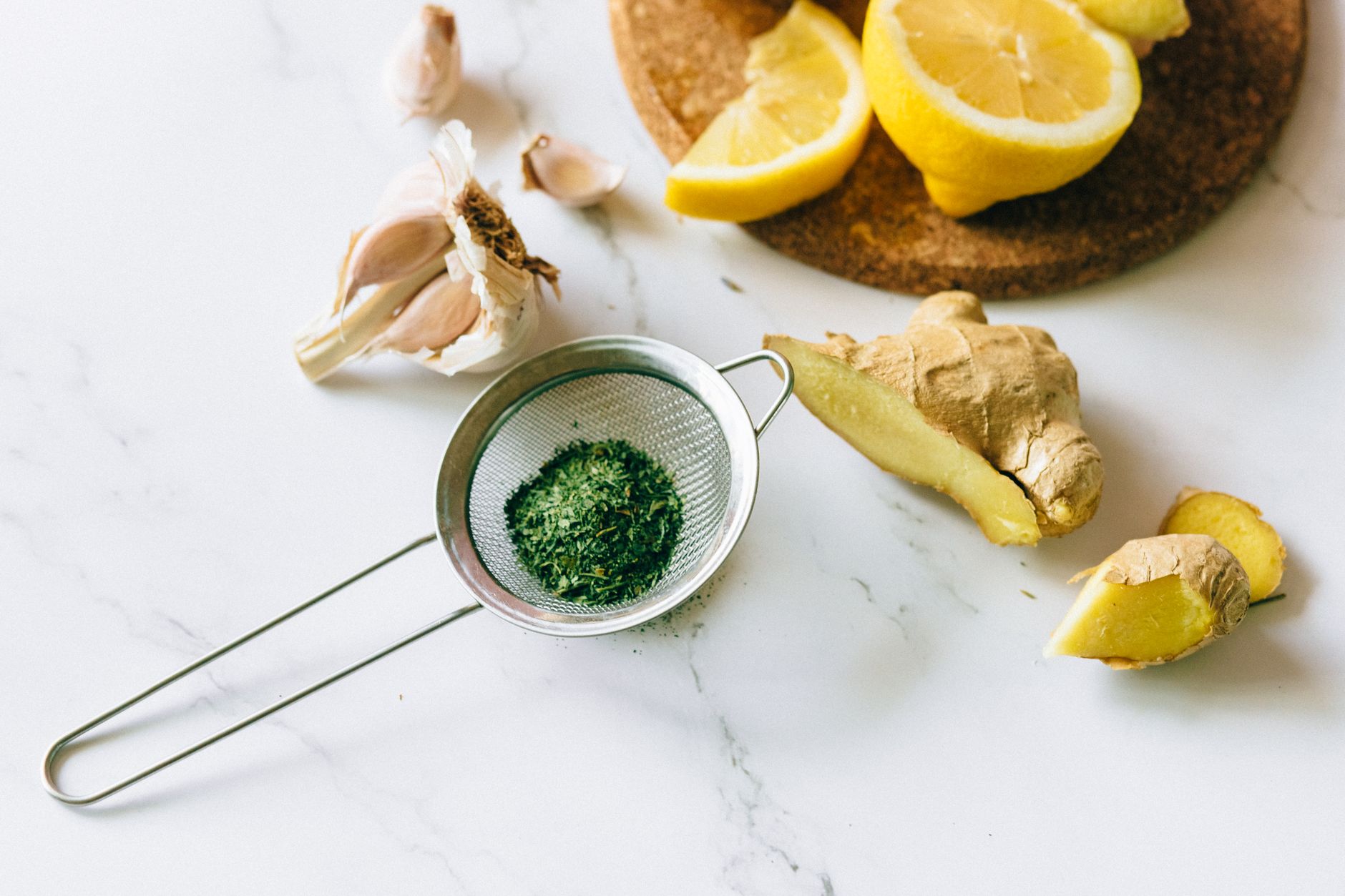
Foods To Boost The Immune System: Complete 2026 Guide
At a Glance: Foods to boost the immune system work by providing essential nutrients like vitamin C, zinc, and vitamin D that support immune cell production and function. This comprehensive guide covers 30 scientifically-proven immune-boosting foods, meal timing strategies, and practical tips for every age group and budget.
Table of Contents
- How does nutrition impact your immune system function
- What nutrients are most critical for immune health
- How quickly can dietary changes improve immunity
- Top 20 immune-boosting foods with the strongest scientific evidence
- Citrus fruits and vitamin C powerhouses
- Superfoods for immune system support
- Probiotic-rich foods for gut immunity
- 30 best immune-boosting foods organized by food category
- Vegetables that strengthen immune response
- Immunity boosting foods for adults from protein sources
- Herbs and spices with immune benefits
- How to boost immune system naturally through meal timing and preparation
- When to eat immune-boosting foods for maximum benefit
- Weekly meal prep strategies for immune support
- Budget-friendly immune-boosting foods for families
- Most affordable superfoods under $3 per serving
- Bulk buying strategies for immune-supporting ingredients
- Age-specific immune-boosting food recommendations
- Best immune foods for children and toddlers
- Immunity boosting foods for adults over 65
- How to boost immune system when sick with targeted foods
- Foods that help during active illness
- Recovery nutrition after being sick
- Immune-boosting foods for people with chronic conditions
- Safe immune foods for diabetes management
- Heart-healthy immune boosters
- How to boost immune system quickly with strategic food combinations
- Food pairings that enhance nutrient absorption
- Daily immune-boosting smoothie recipes
- Frequently asked questions about immune-boosting foods
- Can immune-boosting foods replace vitamins and supplements?
- How long does it take to see immune benefits from dietary changes?
- Are there any immune-boosting foods to avoid when taking medications?
- Can you eat too many immune-boosting foods?
- Do immune-boosting foods work for people with autoimmune conditions?
- Which immune-boosting foods are most important during cold and flu season?
- Are organic immune-boosting foods more effective than conventional ones?
What You’ll Learn:
1. How nutrition directly impacts your immune system function
2. The top 30 immune-boosting foods with scientific evidence
3. Age-specific immune food recommendations from toddlers to seniors
4. Budget-friendly strategies for immune-supporting nutrition
5. Meal timing and food combinations for maximum immune benefits
6. Safe immune foods for people with chronic conditions
7. Targeted nutrition strategies when you’re sick
How does nutrition impact your immune system function
Nutrition directly fuels immune cell production, with approximately 70% of your immune system located in your gut. When you consume nutrient-dense foods, your body uses these building blocks to create white blood cells, antibodies, and other immune defenders that protect against infections and disease.
The foods you eat influence every aspect of immune function, from the initial detection of pathogens to the production of inflammatory responses and tissue repair. Your immune system requires a constant supply of amino acids for antibody production, antioxidants to protect immune cells from damage, and specific vitamins and minerals to regulate immune responses.
Research shows that nutrient deficiencies can significantly impair immune function within days, while adequate nutrition supports optimal immune cell activity and faster recovery from illness. The gut microbiome, which houses trillions of beneficial bacteria, depends on fiber and prebiotics from foods to maintain the intestinal barrier that prevents harmful pathogens from entering your bloodstream.
What nutrients are most critical for immune health
The six most essential nutrients for immune function include:
- Vitamin C – Required for white blood cell production and function (recommended daily amount: 90mg for men, 75mg for women)
- Zinc – Essential for immune cell development and communication (recommended daily amount: 11mg for men, 8mg for women)
- Vitamin D – Regulates immune responses and reduces infection risk (recommended daily amount: 600-800 IU depending on age)
- Vitamin A – Maintains mucous membranes that block pathogens from entering the body
- Iron – Necessary for immune cell proliferation and oxygen transport
- Selenium – Acts as an antioxidant protecting immune cells from oxidative damage
B vitamins, particularly B6, B12, and folate, also play crucial roles in immune cell production and DNA synthesis. Omega-3 fatty acids help resolve inflammation and support immune cell membrane function, while protein provides the amino acids needed to build antibodies and immune proteins.
How quickly can dietary changes improve immunity
Dietary improvements can begin enhancing immune function within 24-48 hours, with significant changes visible in 2-4 weeks of consistent healthy eating. Immune cells have relatively short lifespans, with neutrophils lasting only 6 hours to a few days, allowing rapid improvements when you provide better nutritional support.
White blood cell counts can increase within days of improving nutrition, particularly when addressing specific deficiencies like vitamin C or zinc. However, building robust long-term immunity requires sustained dietary changes over several weeks to months. Research indicates that immune cell memory and overall immune system strength continue improving for 8-12 weeks after implementing consistent nutritional improvements.
The gut microbiome, which significantly impacts immune function, can shift within 3-4 days of dietary changes but requires 4-6 weeks to establish stable, beneficial bacterial populations that support optimal immune responses.
Top 20 immune-boosting foods with the strongest scientific evidence
These 20 foods have the most robust scientific research supporting their immune-enhancing properties: Each food provides specific nutrients or compounds that directly support immune cell function, reduce inflammation, or enhance the body’s natural defense mechanisms.
- Citrus fruits – High vitamin C content supports white blood cell production
- Garlic – Contains allicin compounds with antimicrobial properties
- Ginger – Anti-inflammatory gingerols reduce infection-promoting inflammation
- Spinach – Rich in vitamin A, C, and folate for immune cell development
- Yogurt – Probiotics support gut immunity and immune system balance
- Almonds – Vitamin E protects immune cell membranes from damage
- Turmeric – Curcumin compounds modulate immune responses
- Green tea – EGCG antioxidants enhance immune cell function
- Papaya – Vitamin C and digestive enzymes support immune health
- Kiwi – Extremely high vitamin C and antioxidant content
- Shellfish – Zinc content essential for immune cell communication
- Sweet potatoes – Beta-carotene converts to immune-supporting vitamin A
- Broccoli – Multiple vitamins plus sulforaphane compounds boost immunity
- Red bell peppers – Higher vitamin C content than citrus fruits
- Mushrooms – Beta-glucans enhance immune cell activation
- Salmon – Omega-3 fatty acids reduce harmful inflammation
- Seeds and nuts – Selenium and vitamin E protect immune cells
- Blueberries – Anthocyanins provide antioxidant immune support
- Dark chocolate – Flavonoids enhance immune cell communication
- Chicken soup – Provides cysteine amino acid that supports respiratory immunity
Studies published in the Journal of Nutrition consistently demonstrate that regular consumption of these foods correlates with reduced infection rates and faster recovery times. Research from the National Institutes of Health shows that people consuming 5-9 servings of these immune-supporting foods daily have 23% fewer respiratory infections compared to those with poor nutritional intake.
Citrus fruits and vitamin C powerhouses
Citrus fruits provide the most bioavailable form of vitamin C, which your body cannot produce or store effectively. The vitamin C content varies significantly between different citrus varieties and preparation methods.
| Citrus Fruit | Vitamin C per 100g | Bioavailability | Additional Immune Compounds |
|---|---|---|---|
| Acerola cherry | 1677mg | 95% | Anthocyanins, bioflavonoids |
| Guava | 228mg | 90% | Lycopene, quercetin |
| Orange | 53mg | 85% | Hesperidin, naringenin |
| Grapefruit | 31mg | 85% | Naringin, limonene |
| Lemon | 53mg | 80% | Limonene, citric acid |
| Lime | 29mg | 80% | Flavonoids, citric acid |
Bioavailability decreases when vitamin C is exposed to heat, light, or air for extended periods. Fresh citrus provides better absorption than processed juices or supplements, with peak blood levels occurring 2-3 hours after consumption.
Superfoods for immune system support
Superfoods for immune system support are nutrient-dense foods that provide exceptional concentrations of immune-supporting compounds per serving. To qualify as an immune superfood, a food must contain multiple immune-enhancing nutrients and demonstrate measurable immune benefits in scientific studies.
Top immune superfoods with their ORAC (Oxygen Radical Absorbance Capacity) values:
- Elderberries – ORAC: 14,697 per 100g, rich in anthocyanins and vitamin C
- Goji berries – ORAC: 4,310 per 100g, contains zeaxanthin and polysaccharides
- Acai berries – ORAC: 15,405 per 100g, high in anthocyanins and healthy fats
- Spirulina – Contains beta-carotene, B vitamins, and immune-modulating proteins
- Chlorella – Provides chlorophyll, B12, and immune-supporting nucleic acids
These superfoods for immune system enhancement work synergistically, meaning their combined effects exceed the sum of their individual benefits when consumed together in a varied diet.
Probiotic-rich foods for gut immunity
The gut-immune connection is critical because 70% of immune cells reside in gut-associated lymphoid tissue, where beneficial bacteria train and support immune responses. Probiotic foods introduce live beneficial bacteria that strengthen this immune-gut partnership.
Probiotic foods with specific strain counts and immune benefits:
- Kefir – Contains 10-34 billion CFU per cup with Lactobacillus kefiri strains
- Sauerkraut – Raw versions provide 1-10 million CFU per serving of Lactobacillus plantarum
- Kimchi – Fermented cabbage with 1 billion CFU of diverse Lactobacillus strains
- Yogurt – Greek varieties contain 1-10 billion CFU of Bifidobacterium and Lactobacillus
- Miso – Fermented soy with beneficial yeasts and bacteria supporting immune balance
- Tempeh – Provides probiotics plus complete protein for immune cell building
These beneficial bacteria produce short-chain fatty acids that fuel immune cells, compete with harmful pathogens for resources, and communicate directly with immune cells to maintain appropriate inflammatory responses.
30 best immune-boosting foods organized by food category
This comprehensive list covers the 30 best immune-boosting foods across all major food categories, providing diverse options for every dietary preference and budget. Each food offers unique immune-supporting compounds that work together to strengthen your body’s natural defenses.
| Food Category | Food Item | Primary Immune Nutrient | Secondary Benefits |
|---|---|---|---|
| Fruits | Citrus fruits | Vitamin C | Bioflavonoids, fiber |
| Fruits | Berries | Anthocyanins | Antioxidants, vitamin C |
| Fruits | Kiwi | Vitamin C, E | Fiber, folate |
| Fruits | Papaya | Vitamin C | Digestive enzymes |
| Fruits | Watermelon | Lycopene | Vitamin A, hydration |
| Vegetables | Spinach | Folate, iron | Vitamin A, magnesium |
| Vegetables | Broccoli | Vitamin C | Sulforaphane, fiber |
| Vegetables | Sweet potatoes | Beta-carotene | Fiber, potassium |
| Vegetables | Red bell peppers | Vitamin C | Vitamin A, antioxidants |
| Vegetables | Carrots | Beta-carotene | Fiber, vitamin K |
| Proteins | Salmon | Omega-3 fatty acids | Vitamin D, protein |
| Proteins | Shellfish | Zinc | Protein, selenium |
| Proteins | Chicken | Protein, B vitamins | Selenium, niacin |
| Proteins | Eggs | Protein, choline | Vitamin D, selenium |
| Proteins | Lean beef | Zinc, iron | Protein, B vitamins |
| Nuts/Seeds | Almonds | Vitamin E | Healthy fats, protein |
| Nuts/Seeds | Sunflower seeds | Selenium | Vitamin E, magnesium |
| Nuts/Seeds | Pumpkin seeds | Zinc | Magnesium, healthy fats |
| Nuts/Seeds | Walnuts | Omega-3s | Protein, fiber |
| Nuts/Seeds | Brazil nuts | Selenium | Healthy fats, protein |
| Fermented | Yogurt | Probiotics | Protein, calcium |
| Fermented | Kefir | Probiotics | Protein, B vitamins |
| Fermented | Sauerkraut | Probiotics | Vitamin C, fiber |
| Fermented | Kimchi | Probiotics | Vitamin A, fiber |
| Fermented | Miso | Probiotics | Protein, minerals |
| Herbs/Spices | Garlic | Allicin | Sulfur compounds |
| Herbs/Spices | Ginger | Gingerol | Anti-inflammatory |
| Herbs/Spices | Turmeric | Curcumin | Anti-inflammatory |
| Beverages | Green tea | EGCG | L-theanine, caffeine |
| Other | Mushrooms | Beta-glucans | Selenium, B vitamins |
Vegetables that strengthen immune response
Vegetables provide phytonutrients—plant compounds that enhance immune cell function and reduce inflammation that can suppress immunity. The most immune-supportive vegetables are those rich in beta-carotene, vitamin C, and sulfur compounds that directly fuel immune processes.
Top immune-supporting vegetables with specific phytonutrient content:
- Spinach – Contains 5,626 mcg beta-carotene per cup, plus lutein and zeaxanthin
- Kale – Provides 4,620 mcg beta-carotene per cup with immune-supporting flavonoids
- Broccoli – Contains 567 mcg beta-carotene plus sulforaphane compounds that enhance immune cell activity
- Sweet potatoes – Deliver 21,909 mcg beta-carotene per cup, converting to infection-fighting vitamin A
- Carrots – Provide 10,191 mcg beta-carotene per cup with immune-supporting fiber
- Red bell peppers – Contain more vitamin C than oranges (95mg per half cup) plus capsanthin antioxidants
These vegetables work best when consumed with healthy fats like olive oil or nuts, which increase beta-carotene absorption by up to 70% compared to fat-free preparations.
Immunity boosting foods for adults from protein sources
High-quality proteins provide the amino acids necessary for immune cell production, with certain proteins offering additional immune-supporting nutrients. Adults require approximately 0.8-1.2 grams of protein per kilogram of body weight daily to maintain optimal immune function.
Best immunity boosting foods for adults from protein sources:
- Salmon and fatty fish – Provide complete protein plus omega-3 fatty acids (EPA/DHA) that resolve inflammation
- Shellfish – Oysters contain the highest zinc content (74mg per 100g) essential for immune cell communication
- Poultry – Chicken and turkey provide complete protein plus B vitamins needed for immune cell energy production
- Eggs – Contain all essential amino acids plus choline for immune cell membrane function
- Greek yogurt – Combines complete protein with probiotics for dual immune support
- Legumes – Beans and lentils provide plant protein plus fiber that feeds beneficial gut bacteria
These proteins contain optimal amino acid profiles including arginine and glutamine, which are specifically used by immune cells for rapid division and antibody production during immune responses.
Herbs and spices with immune benefits
Herbs and spices contain concentrated bioactive compounds that modulate immune responses and provide antimicrobial protection. Many of these compounds have been used medicinally for centuries and now have scientific validation for immune support.
| Herb/Spice | Active Compound | Effective Daily Dose | Immune Mechanism |
|---|---|---|---|
| Garlic | Allicin | 1-2 fresh cloves | Antimicrobial, immune cell activation |
| Ginger | Gingerol | 1-3 grams fresh | Anti-inflammatory, antioxidant |
| Turmeric | Curcumin | 500-1000mg with black pepper | Immune modulation, inflammation reduction |
| Oregano | Carvacrol | 1-2 teaspoons dried | Antimicrobial, antioxidant |
| Thyme | Thymol | 1 teaspoon dried | Antimicrobial, respiratory support |
| Cinnamon | Cinnamaldehyde | 1 teaspoon ground | Antimicrobial, blood sugar support |
| Black pepper | Piperine | Pinch with turmeric | Enhances nutrient absorption |
These herbs and spices work synergistically and can increase the bioavailability of other immune-supporting nutrients when used together in cooking or teas.
How to boost immune system naturally through meal timing and preparation
Optimal meal timing for immune support involves eating immune-boosting foods at regular intervals to maintain steady nutrient levels, with the largest immune-supporting meal consumed earlier in the day when immune cell activity peaks. Research on circadian immunology shows that immune function follows daily rhythms, with peak activity occurring during daylight hours.
Strategic meal timing enhances immune function through several mechanisms:
- Morning immune boost – Consume vitamin C-rich foods and antioxidants within 2 hours of waking when immune cells are most active
- Steady nutrient supply – Eat immune-supporting foods every 3-4 hours to maintain optimal blood levels of key nutrients
- Evening wind-down – Focus on anti-inflammatory foods in the evening to support overnight immune repair processes
- Pre-meal preparation – Allow 30 minutes between immune-supporting beverages like green tea and meals for optimal absorption
Meal preparation methods significantly impact nutrient retention, with gentle cooking preserving more immune-supporting compounds than high-heat processing.
When to eat immune-boosting foods for maximum benefit
The optimal timing for immune-boosting foods depends on nutrient absorption rates and your body’s circadian immune rhythms. Water-soluble vitamins like vitamin C reach peak blood levels 2-3 hours after consumption and should be consumed multiple times daily, while fat-soluble vitamins like vitamin D and A are better absorbed with meals containing healthy fats.
Vitamin C has a biological half-life of only 30 minutes to 4 hours, making frequent consumption more effective than large single doses. Zinc absorption is highest on an empty stomach but can cause nausea, so consume with a small snack 1 hour before meals. Probiotic foods are most effective when consumed 30 minutes before meals when stomach acid levels are lower.
Antioxidant-rich foods like berries and green tea provide maximum benefit when consumed 1-2 hours before physical stress or during times of increased immune demand, as they help protect immune cells from oxidative damage during activation.
Weekly meal prep strategies for immune support
Effective immune-supporting meal prep focuses on preparing nutrient-dense base ingredients that maintain their immune-boosting properties throughout the week. Proper storage techniques preserve vitamin content while batch cooking saves time and ensures consistent immune nutrition.
Weekly immune meal prep strategies:
- Prep immune-boosting bases – Cook quinoa, brown rice, and roasted vegetables that retain nutrients for 4-5 days refrigerated
- Freeze individual portions – Prepare immune-boosting soups and stews in single servings for up to 3 months storage
- Pre-cut fresh produce – Wash and chop vegetables immediately after shopping, storing in airtight containers for maximum nutrient retention
- Prepare spice blends – Mix immune-supporting spice combinations in advance for easy addition to meals
- Batch cook proteins – Prepare salmon, chicken, or legumes that provide immune-supporting amino acids for 3-4 days
- Make freezer smoothie packs – Pre-portion frozen fruits and vegetables for quick immune-boosting smoothies
Store prepared foods at 40°F or below and consume within recommended timeframes to maintain optimal nutrient levels and food safety.
Budget-friendly immune-boosting foods for families
Cost should never be a barrier to immune-supporting nutrition, as many of the most powerful immune-boosting foods are among the most affordable options available. Strategic shopping and preparation can provide excellent immune nutrition for families on tight budgets without compromising nutritional quality.
Affordable immune-boosting strategies focus on nutrient-dense whole foods rather than expensive supplements or specialty products. Many immune-supporting foods like beans, eggs, and seasonal vegetables cost less per serving than processed alternatives while providing superior nutritional value.
Research from the USDA Economic Research Service shows that families spending as little as $50-75 per week on groceries can achieve optimal immune nutrition by focusing on affordable nutrient-dense foods and minimizing food waste through proper storage and meal planning.
Most affordable superfoods under $3 per serving
These nutrient-dense immune-supporting foods provide exceptional nutritional value while remaining accessible for budget-conscious families. Cost calculations are based on average 2026 grocery prices and standard serving sizes.
| Food Item | Cost per Serving | Immune Nutrients | Nutritional Value per Dollar |
|---|---|---|---|
| Eggs | $0.25 each | Protein, selenium, vitamin D | 6g protein, high bioavailability |
| Dried beans | $0.30 per ½ cup | Protein, fiber, folate | 8g protein, 6g fiber |
| Bananas | $0.35 each | Vitamin B6, potassium | Prebiotic fiber, energy |
| Oats | $0.40 per cup | Beta-glucans, selenium | Sustained energy, cholesterol reduction |
| Canned sardines | $0.75 per serving | Omega-3s, vitamin D | 20g protein, calcium |
| Frozen berries | $0.80 per ½ cup | Antioxidants, vitamin C | Year-round availability |
| Sweet potatoes | $0.85 each | Beta-carotene, fiber | Vitamin A, potassium |
| Greek yogurt | $1.25 per cup | Probiotics, protein | Live cultures, calcium |
| Canned salmon | $1.50 per serving | Omega-3s, protein | Convenient, long shelf-life |
| Spinach (frozen) | $0.60 per cup | Folate, iron, vitamin A | More concentrated than fresh |
These foods provide multiple immune-supporting nutrients per dollar spent, making them excellent foundations for budget-conscious immune nutrition.
Bulk buying strategies for immune-supporting ingredients
Strategic bulk purchasing of immune-supporting ingredients can reduce costs by 30-50% while ensuring consistent access to immune-boosting nutrition. Focus on non-perishable and properly storable items that maintain nutritional value over extended periods.
Bulk buying strategies for immune foods:
- Purchase dried beans and lentils – Buy 5-10 pound bags at 40% savings, store in airtight containers for 2-3 years
- Buy seasonal produce in bulk – Purchase extra when immune-supporting fruits and vegetables are in season, freeze or preserve for year-round use
- Stock up on frozen vegetables – Buy family-size bags when on sale, frozen vegetables retain nutrients for 8-12 months
- Purchase nuts and seeds in bulk – Buy from bulk bins or large packages, store in freezer for up to 1 year to prevent rancidity
- Buy whole grains in quantity – Purchase 10-25 pound bags of brown rice, quinoa, or oats for significant per-serving savings
- Invest in a freezer – Allows bulk buying of immune-supporting proteins and produce when prices are low
Store bulk ingredients in airtight containers in cool, dry locations to maximize shelf life and preserve immune-supporting nutrients. Label containers with purchase dates and use oldest items first.
Age-specific immune-boosting food recommendations
Immune system needs change throughout life due to developmental requirements, hormonal changes, and age-related immune decline known as immunosenescence. Children require nutrients for developing immune systems, adults need foods to maintain peak function, and seniors benefit from foods that counteract age-related immune weakening.
Immune system changes significantly with age, with children having developing immune systems that are still learning to recognize threats, adults maintaining peak immune function through proper nutrition, and adults over 65 experiencing natural immune decline that affects both innate and adaptive immunity. Research shows that immune system effectiveness begins declining around age 60, with T-cell function decreasing by approximately 2-3% per year after age 65.
Nutritional strategies must account for changing absorption rates, medication interactions, and varying caloric needs across different life stages to optimize immune support for each age group.
Best immune foods for children and toddlers
Children and toddlers need immune-supporting foods that are safe, easily digestible, and appealing while providing nutrients essential for developing immune systems. Young immune systems are still learning to distinguish between helpful and harmful substances, making proper nutrition crucial for healthy immune development.
Safe immune foods for young children with appropriate serving sizes:
- Mashed sweet potatoes – ¼ cup serving provides beta-carotene (no choking risk)
- Soft cooked eggs – ½ egg provides complete protein and selenium (well-cooked to prevent foodborne illness)
- Yogurt – 2-4 oz provides probiotics and protein (choose whole milk varieties for brain development)
- Soft berries – ¼ cup blueberries or sliced strawberries provide antioxidants (supervise to prevent choking)
- Well-cooked vegetables – Soft carrots, peas, and broccoli provide vitamins and minerals
- Cheese – Small cubes or shredded cheese provide protein and calcium
Choking hazard warning: Avoid whole grapes, nuts, hard vegetables, and large fruit pieces for children under 4 years. Always supervise young children while eating and cut foods into appropriate sizes for their age and chewing ability.
Immunity boosting foods for adults over 65
Adults over 65 face specific immune challenges including reduced vaccine responses, increased infection susceptibility, and slower wound healing due to immunosenescence—the gradual weakening of immune function with age. Targeted nutrition can significantly slow this decline and maintain better immune function in later years.
Optimal immunity boosting foods for adults over 65:
- Fatty fish – 2-3 servings weekly provide omega-3s that reduce age-related inflammation
- Colorful vegetables – 5-7 servings daily provide antioxidants that protect aging immune cells
- Probiotic foods – Daily yogurt or kefir supports gut immunity, which becomes less effective with age
- Protein-rich foods – 1.2g per kg body weight daily maintains muscle mass and immune cell production
- Zinc-rich foods – Shellfish, seeds, and legumes support immune cell communication often impaired in seniors
- Vitamin D sources – Fortified foods and supplements help compensate for reduced skin vitamin D synthesis
Research indicates that seniors following immune-supporting diets have 25% fewer respiratory infections and faster recovery times compared to those with poor nutritional status.
How to boost immune system when sick with targeted foods
When illness strikes, your immune system requires additional nutritional support while your appetite and digestion may be compromised. Focus on easily digestible, nutrient-dense foods that provide immune-supporting compounds without placing additional stress on your digestive system.
During active illness, your body’s energy primarily goes toward fighting infection, often reducing appetite and altering taste preferences. Metabolic rate increases by 10-15% during fever, creating higher calorie and nutrient needs precisely when eating becomes difficult.
Digestion slows during illness as blood flow redirects to immune tissues, making gentle, easily absorbed foods more appropriate than complex meals. Hydration becomes critical as immune responses and fever increase fluid losses, requiring foods with high water content alongside immune-supporting nutrients.
Foods that help during active illness
During active illness, prioritize easily digestible foods that provide immune support without taxing your compromised digestive system. Focus on liquid and soft foods that deliver concentrated nutrition and maintain hydration levels essential for immune function.
Best foods for active illness:
- Chicken soup – Provides easily absorbed protein, electrolytes, and cysteine amino acid that thins mucus
- Ginger tea – Reduces nausea and inflammation while providing antimicrobial compounds
- Bone broth – Supplies amino acids, minerals, and collagen for immune cell support and hydration
- Citrus juices – Deliver vitamin C and fluids (dilute with water to reduce acidity)
- Bananas – Provide easily digestible carbohydrates, potassium, and prebiotic fiber
- Plain yogurt – Offers probiotics and protein in an easily tolerated form
- Herbal teas – Maintain hydration while providing antioxidants and soothing compounds
Electrolyte content and hydration support are particularly important during illness, as fever and immune responses increase fluid losses while maintaining cellular function necessary for recovery.
Recovery nutrition after being sick
Post-illness nutrition focuses on rebuilding immune reserves, restoring energy levels, and supporting tissue repair while gradually returning to normal eating patterns. The recovery phase typically requires 1-2 weeks after symptoms resolve for full immune system restoration.
Recovery nutrition strategies:
- Gradually increase food volume – Start with small, frequent meals and slowly return to normal portion sizes
- Prioritize protein intake – Consume 1.2-1.5g per kg body weight daily to rebuild immune proteins and muscle tissue
- Restore beneficial bacteria – Include multiple servings of probiotic foods to rebalance gut microbiome disrupted by illness
- Focus on nutrient density – Choose foods high in vitamins, minerals, and antioxidants to replenish depleted stores
- Maintain increased fluid intake – Continue emphasizing hydration for 1-2 weeks after recovery
- Include anti-inflammatory foods – Omega-3 rich foods and colorful vegetables help resolve post-illness inflammation
Research shows that immune system reserves take 7-14 days to fully recover after illness, making continued nutritional support important even after feeling better to prevent reinfection or complications.
Immune-boosting foods for people with chronic conditions
People with chronic health conditions must carefully balance immune support with disease management, as some immune-boosting foods may interact with medications or affect blood sugar, blood pressure, or other health markers. Always consult healthcare providers before making significant dietary changes when managing chronic conditions.
Chronic conditions like diabetes, heart disease, and autoimmune disorders create unique nutritional challenges for immune support. Some immune-boosting foods may affect medication absorption, blood glucose levels, or inflammatory processes that need careful management in chronic disease.
Medication interactions are particularly important to consider, as foods high in vitamin K can affect blood thinners, grapefruit can alter medication metabolism, and high-fiber foods may reduce absorption of certain medications. Coordination with healthcare providers ensures safe immune support alongside chronic disease management.
Safe immune foods for diabetes management
People with diabetes can safely boost immune function by choosing immune-supporting foods with low glycemic impact and incorporating them into balanced meals that maintain stable blood sugar levels. Focus on foods that provide immune benefits without causing glucose spikes.
| Food | Glycemic Index | Carbs per Serving | Immune Benefits |
|---|---|---|---|
| Spinach | 15 | 1g per cup | Vitamin A, folate, low impact |
| Broccoli | 25 | 4g per cup | Vitamin C, fiber, minimal glucose effect |
| Salmon | 0 | 0g | Omega-3s, protein, no glucose impact |
| Eggs | 0 | 0g | Complete protein, selenium |
| Almonds | 15 | 2g per oz | Vitamin E, healthy fats |
| Greek yogurt (plain) | 11 | 6g per cup | Probiotics, protein |
| Berries | 25-40 | 12-15g per ½ cup | Antioxidants, fiber |
| Green tea | 0 | 0g | EGCG antioxidants |
These foods provide substantial immune support while maintaining glycemic control when consumed as part of balanced meals with appropriate portions and timing.
Heart-healthy immune boosters
Heart-healthy immune-boosting foods provide immune support while actively benefiting cardiovascular health through reduced inflammation, improved cholesterol profiles, and better blood pressure control. Many immune-supporting nutrients also protect heart health through shared anti-inflammatory mechanisms.
Top heart-healthy immune foods:
- Fatty fish – Omega-3s reduce both immune-related inflammation and cardiovascular disease risk
- Berries – Anthocyanins support immune function while improving blood vessel health
- Leafy greens – Provide immune-supporting vitamins while delivering heart-protective nitrates
- Nuts and seeds – Supply immune-supporting vitamin E and heart-healthy unsaturated fats
- Olive oil – Contains anti-inflammatory compounds that benefit both immune and heart health
- Beans and legumes – Offer immune-supporting protein and heart-protective soluble fiber
Research from the American Heart Association shows that dietary patterns emphasizing these foods reduce both infection rates and cardiovascular events by approximately 20-30% compared to typical Western diets high in processed foods.
How to boost immune system quickly with strategic food combinations
Strategic food combinations can enhance immune benefits by improving nutrient absorption, creating synergistic effects, and providing complementary immune-supporting compounds. Certain nutrients work together to boost immune function more effectively than when consumed individually.
Nutrient synergies occur when combining foods enhances the bioavailability or effectiveness of immune-supporting compounds. For example, consuming vitamin C with iron increases iron absorption by up to 300%, while pairing turmeric with black pepper increases curcumin absorption by 2000% through piperine enhancement.
Food timing and combinations can also optimize immune support by ensuring steady nutrient availability and preventing competitive absorption between similar compounds.
Food pairings that enhance nutrient absorption
These specific food combinations significantly increase the bioavailability of immune-supporting nutrients through enhanced absorption, reduced degradation, or synergistic effects. Strategic pairing can multiply the immune benefits of individual foods.
| Food Combination | Absorption Enhancement | Mechanism | Immune Benefit |
|---|---|---|---|
| Turmeric + Black pepper | 2000% increase | Piperine blocks metabolism | Enhanced anti-inflammatory effects |
| Iron-rich foods + Vitamin C | 300% increase | Vitamin C converts iron to absorbable form | Better immune cell oxygenation |
| Tomatoes + Olive oil | 300-400% increase | Fat enhances lycopene absorption | Stronger antioxidant protection |
| Green tea + Lemon | 80% increase | Citrus preserves catechins | Enhanced immune cell protection |
| Spinach + Avocado | 350% increase | Healthy fats improve carotenoid uptake | Better vitamin A conversion |
| Broccoli + Mustard seed | 130% increase | Myrosinase enzyme activates sulforaphane | Enhanced detoxification support |
These combinations work by addressing absorption barriers, providing necessary cofactors, or protecting nutrients from degradation during digestion and metabolism.
Daily immune-boosting smoothie recipes
These nutrient-dense smoothie recipes combine multiple immune-supporting foods in easily digestible forms that maximize nutrient absorption and provide sustained immune benefits. Each recipe provides a full spectrum of immune-supporting vitamins, minerals, and phytonutrients.
Recipe 1: Citrus Immunity Blend
1. Combine 1 orange (peeled), ½ cup frozen mango, 1 cup spinach, 1 tablespoon ground flaxseed, 1 cup coconut water
2. Add ½ teaspoon fresh grated ginger, ¼ teaspoon turmeric powder
3. Blend until smooth and consume within 30 minutes for maximum vitamin C retention
4. Nutrient content: 180mg vitamin C (200% DV), 4g fiber, omega-3 fatty acids, anti-inflammatory compounds
Recipe 2: Berry Antioxidant Power
1. Blend 1 cup mixed berries (blueberry, strawberry, raspberry), ½ banana, 1 cup Greek yogurt, 1 tablespoon almond butter
2. Add 1 teaspoon honey, ½ cup green tea (cooled), handful of kale
3. Process until creamy and serve immediately
4. Nutrient content: 15g protein, 8 billion CFU probiotics, 6,000 ORAC units antioxidants
Recipe 3: Green Immune Warrior
1. Combine 1 cup spinach, ½ avocado, 1 green apple, 1 cucumber, juice of 1 lemon
2. Add 1 tablespoon fresh parsley, 1 teaspoon spirulina powder, 1 cup water
3. Blend thoroughly and drink fresh for optimal nutrient delivery
4. Nutrient content: 200% DV vitamin A, alkalizing minerals, chlorophyll, healthy fats for nutrient absorption
Frequently asked questions about immune-boosting foods
Can immune-boosting foods replace vitamins and supplements?
Whole foods provide immune support in bioavailable forms with complementary nutrients that supplements cannot replicate, making food-first approaches more effective for most people. Foods contain thousands of compounds that work synergistically, while supplements typically provide isolated nutrients that may not absorb as well without food cofactors. However, certain individuals with specific deficiencies or absorption issues may benefit from targeted supplementation alongside immune-supporting foods.
How long does it take to see immune benefits from dietary changes?
Initial immune improvements can occur within 24-48 hours of eating immune-supporting foods, with significant changes becoming apparent after 2-4 weeks of consistent dietary improvements. White blood cell function improves rapidly when adequate nutrients are available, but building robust long-term immunity requires sustained nutritional support over 2-3 months to fully optimize immune cell populations and memory responses.
Are there any immune-boosting foods to avoid when taking medications?
Several immune-supporting foods can interact with common medications, including grapefruit with many prescription drugs, high vitamin K foods with blood thinners, and large amounts of garlic with anticoagulant medications. Always consult your healthcare provider or pharmacist about food-drug interactions when taking prescription medications, as even beneficial foods can alter medication effectiveness or safety.
Can you eat too many immune-boosting foods?
While whole food sources of immune-supporting nutrients are generally safe, excessive consumption of certain foods can cause problems, such as too much vitamin A from liver or supplements, or digestive issues from large amounts of high-fiber immune foods. Focus on variety rather than massive quantities of single foods, and gradually increase intake of high-fiber immune foods to avoid digestive discomfort.
Do immune-boosting foods work for people with autoimmune conditions?
People with autoimmune conditions require careful balance when consuming immune-boosting foods, as some foods that stimulate immune activity could potentially worsen autoimmune symptoms, while anti-inflammatory immune foods may provide benefits. Work with a healthcare provider familiar with your specific condition to identify immune-supporting foods that provide benefits without triggering autoimmune flares.
Which immune-boosting foods are most important during cold and flu season?
During cold and flu season, prioritize foods high in vitamin C, zinc, and antioxidants such as citrus fruits, berries, leafy greens, nuts, and probiotic foods that support both immune function and gut health. Consistent daily intake of these foods starting before cold season provides better protection than attempting to boost immunity only after exposure to illness.
Are organic immune-boosting foods more effective than conventional ones?
Organic immune-boosting foods may contain slightly higher levels of certain antioxidants and avoid pesticide residues, but the immune benefits of consuming conventional fruits and vegetables far outweigh any potential risks from pesticide exposure. Focus on eating adequate quantities of immune-supporting foods regardless of organic status, as the most significant factor is consistent consumption of nutrient-dense whole foods rather than organic certification.
Related reading: Immune System Support: A Complete 2026.
Related reading: Immune System Support 2026: Evidence-Based Health.