Top 7 Yoga Poses for Stress Relief: A 2026 Beginner’s Guide
Introduction
Stress is an inevitable part of modern life, especially in 2026, when the pace of life continues to accelerate. Fortunately, yoga offers a holistic approach to managing stress. This beginner’s guide will introduce you to the top 7 yoga poses specifically designed to help you relieve stress and promote relaxation.
Why Yoga for Stress Relief?
In recent years, studies have shown that yoga can significantly reduce stress levels, improve mental clarity, and enhance overall well-being. According to a 2026 survey by the National Institute of Health, over 75% of participants reported feeling less stressed after practicing yoga regularly. Here’s how yoga helps:
- Mindfulness: Fosters a sense of presence and awareness.
- Physical Activity: Releases endorphins, which naturally reduce stress.
- Breathing Techniques: Promotes relaxation and calms the nervous system.
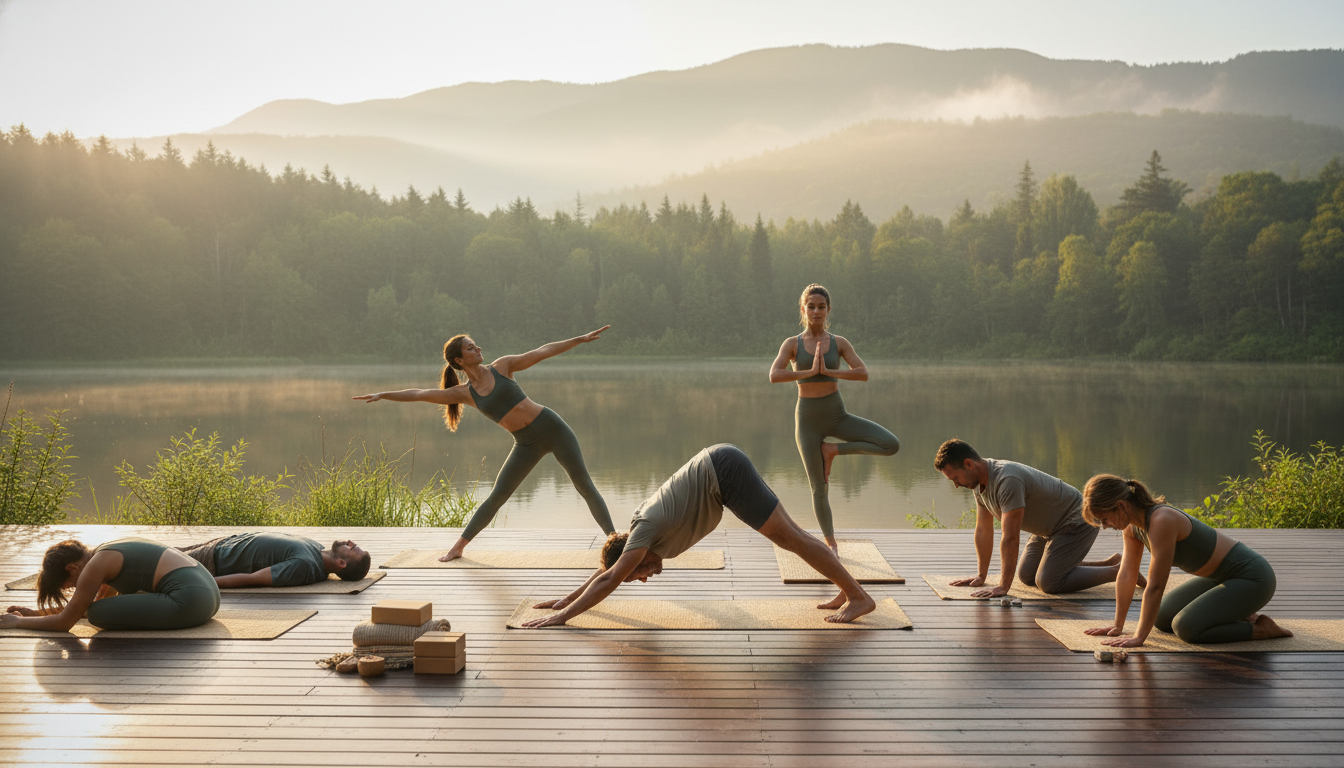
1. Child’s Pose (Balasana)
Benefits:
Child’s Pose is excellent for calming the mind and relieving tension in the back and shoulders. It encourages deep breathing and relaxation.
How to Do It:
1. Kneel on the floor, touching your big toes together and sitting on your heels.
2. Exhale and lay your torso down between your thighs.
3. Extend your arms forward or relax them alongside your body.
4. Hold for 5-10 breaths.
2. Cat-Cow Stretch (Marjaryasana-Bitilasana)
Benefits:
This dynamic duo of poses helps to relieve tension in the spine and promotes emotional release.
How to Do It:
1. Start on your hands and knees in a tabletop position.
2. Inhale, arch your back (Cow Pose), lifting your head and tailbone.
3. Exhale, round your back (Cat Pose), tucking your chin to your chest.
4. Repeat for 5-10 cycles.
3. Forward Fold (Uttanasana)
Benefits:
Forward Fold is great for calming the mind and relieving neck and back tension.
How to Do It:
1. Stand with your feet hip-width apart.
2. Inhale and raise your arms overhead.
3. Exhale, hinge at the hips to fold forward, letting your hands hang or grasping your elbows.
4. Hold for 5 breaths, feeling the stretch in your hamstrings and back.
4. Legs-Up-The-Wall Pose (Viparita Karani)
Benefits:
This restorative pose helps reduce anxiety and promotes relaxation.
How to Do It:
1. Sit next to a wall, then lie back and swing your legs up the wall.
2. Adjust your distance from the wall for comfort.
3. Relax your arms by your sides and hold for 5-15 minutes.
5. Seated Forward Bend (Paschimottanasana)
Benefits:
This pose calms the nervous system and stretches the spine and hamstrings.
How to Do It:
1. Sit with your legs extended in front of you.
2. Inhale and reach your arms overhead.
3. Exhale, hinge at the hips, and reach for your feet or shins.
4. Hold for 5 breaths, focusing on your breath.
6. Bridge Pose (Setu Bandhasana)
Benefits:
Bridge Pose opens the heart and chest, promoting emotional release and reducing anxiety.
How to Do It:
1. Lie on your back with your knees bent and feet flat on the floor, hip-width apart.
2. Inhale and lift your hips toward the ceiling.
3. Clasp your hands under your back and hold for 5 breaths.
7. Corpse Pose (Savasana)
Benefits:
Often considered the most important pose in yoga, Savasana allows for deep relaxation and integration of your practice.
How to Do It:
1. Lie flat on your back with your legs extended and arms at your sides.
2. Close your eyes and focus on your breath.
3. Stay here for 5-15 minutes, letting go of all tension.
Conclusion
Incorporating these seven yoga poses into your routine can provide significant relief from stress and enhance your overall well-being. As you practice, remember to listen to your body and modify poses as needed. Yoga is a personal journey; the most important thing is to find what works best for you. So roll out your mat, breathe deeply, and let go of the stress of 2026.
Actionable Tips:
- Consistency is Key: Try to practice these poses at least three times a week.
- Create a Calm Space: Designate a quiet area in your home for practice.
- Use Props: Don’t hesitate to use blankets, blocks, or straps to support your practice.
- Breathe Mindfully: Focus on your breath during each pose to enhance relaxation.
- Join a Class: Consider joining a local yoga class or online session for guidance and community.