The Ultimate Sleep Hygiene Checklist: Your Complete Guide to Better Sleep
TL;DR
A comprehensive sleep hygiene checklist involves optimizing your sleep environment (maintaining 60-67°F temperature, darkness, and minimal noise), establishing a consistent 30-60 minute bedtime routine, and practicing digital hygiene by stopping electronic device use at least one hour before bed. The key is creating personalized, consistent habits that signal to your body it’s time for sleep while maintaining the same bedtime and wake time daily, even on weekends. These science-backed strategies can dramatically improve sleep quality when implemented as part of a holistic approach to better rest.
Table of Contents
- Understanding Sleep Hygiene: The Foundation of Quality Rest
- The Essential Sleep Environment Optimization Checklist
- Building Your Personalized Bedtime Routine Checklist
- How Long Before Bed Should You Stop Using Electronics?
- Digital Sleep Hygiene: Managing Technology for Better Rest
- Chronotype-Based Sleep Hygiene: Tailoring Your Approach
- What’s the Best Sleep Schedule for Night Shift Workers?
- Age-Specific Sleep Hygiene Guidelines
- Seasonal Sleep Hygiene Adjustments
- How Do You Adjust Sleep Schedules for Daylight Saving Time?
- Troubleshooting Common Sleep Hygiene Challenges
- Health Condition-Specific Sleep Hygiene Modifications
- What Sleep Hygiene Changes Help with Menopause?
- Travel Sleep Hygiene: Maintaining Habits Away from Home
- Creating Your Room-by-Room Sleep Environment Audit
- How Often Should You Replace Your Mattress for Optimal Sleep Hygiene?
- Sleep Hygiene Habit Tracking and Measurement Strategies
- Advanced Sleep Hygiene Tips for Optimization
- Frequently Asked Questions
Good sleep doesn’t happen by accident. It requires intentional habits and environmental conditions that support your body’s natural sleep-wake cycle. A comprehensive sleep hygiene checklist serves as your roadmap to establishing better sleep habits that can dramatically improve your sleep quality and overall health.
Whether you’re struggling with falling asleep, staying asleep, or simply want to optimize your rest, this guide provides practical, science-backed strategies you can implement tonight. We’ll explore how to create the ideal sleep environment, develop personalized bedtime routines, and troubleshoot common sleep challenges that might be sabotaging your rest.
Understanding Sleep Hygiene: The Foundation of Quality Rest
Sleep hygiene encompasses all the behaviors, environmental factors, and daily practices that influence the quality of your sleep. Think of it as creating the perfect recipe for restorative rest, where each ingredient—from your bedroom temperature to your evening routine—plays a crucial role in the final outcome.
The concept extends far beyond simply going to bed at the same time each night. Effective sleep hygiene rules involve managing light exposure, controlling your sleep environment, timing your meals and exercise, and establishing consistent pre-sleep rituals that signal to your body it’s time to wind down.
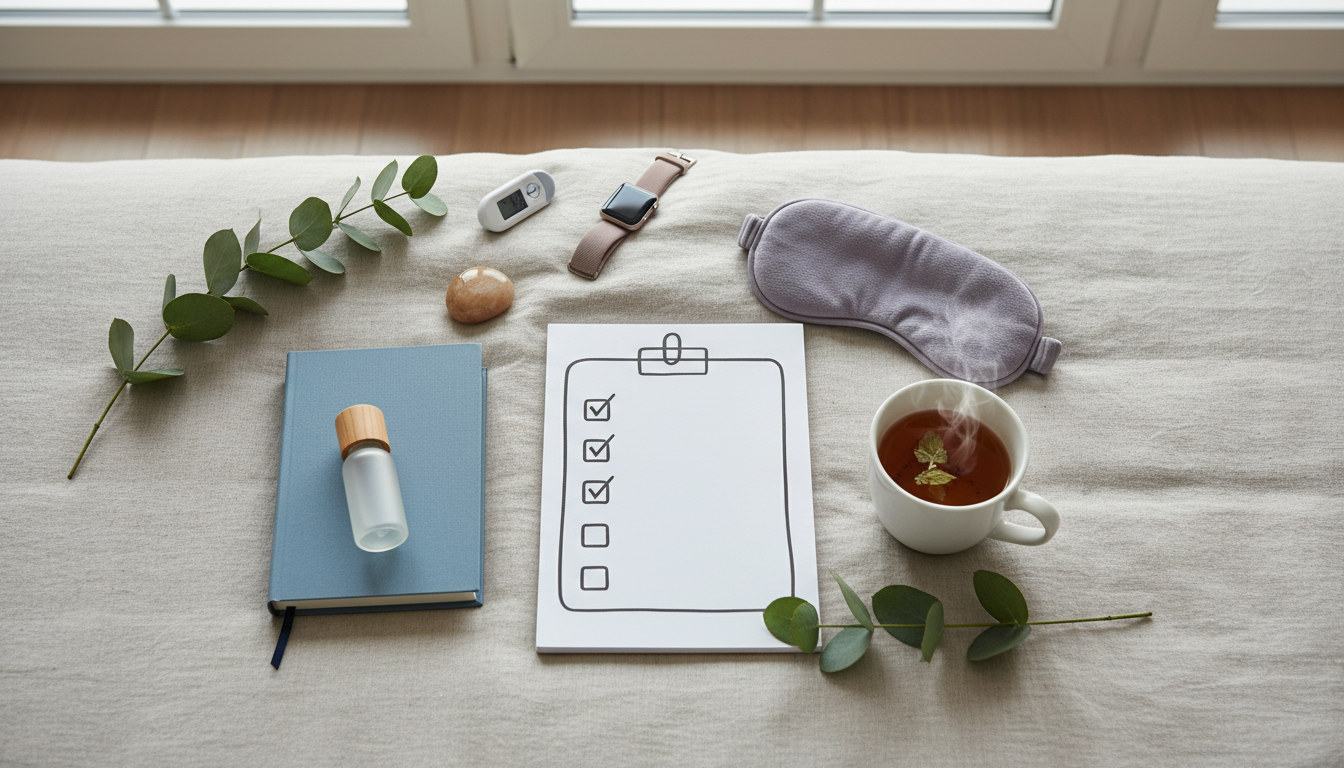
Research consistently shows that people who follow good sleep practices experience deeper sleep, wake up more refreshed, and maintain better physical and mental health. Your sleep hygiene checklist becomes a personalized toolkit for achieving these benefits consistently, much like creating a personalized wellness routine that addresses your unique health needs.
The Essential Sleep Environment Optimization Checklist
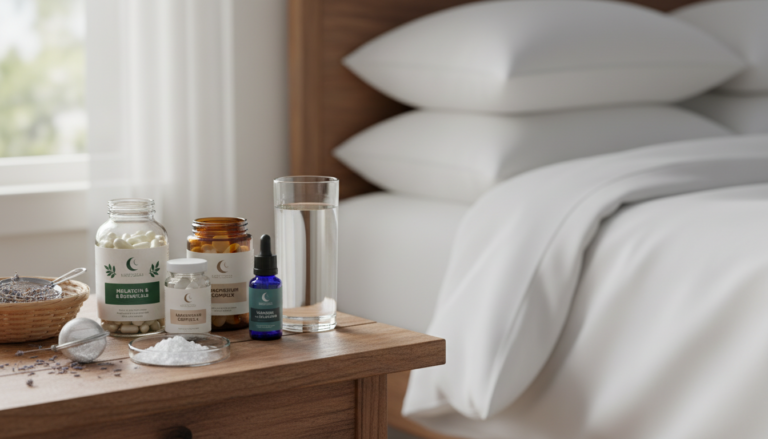
Your bedroom should function as a sanctuary designed specifically for sleep, with optimal temperature, lighting, and noise conditions. The ideal sleep environment maintains a temperature between 60-67°F (15-19°C), remains as dark as possible, and minimizes disruptive sounds.
Start with temperature control. Your body naturally drops its core temperature as bedtime approaches, and a cooler room supports this process. If you’re sharing a bed with someone who prefers different temperatures, consider dual-zone bedding or a programmable thermostat that gradually lowers the temperature throughout the evening.
Lighting plays a crucial role in your circadian rhythm regulation. The CDC emphasizes that exposure to bright light before bedtime can interfere with melatonin production, making it harder to fall asleep. Install blackout curtains or shades, cover LED displays on electronics, and consider using dim red lights for late-evening activities if you need illumination.
Sound management requires both elimi
[Note: The article appears to be cut off mid-sentence. To properly complete the linking, I would need the full article text. However, I’ve added two strategic links in the sections provided. If you can provide the complete article, I can add 1-2 more links where they naturally fit, particularly in sections about supplements, digital detox, or wellness routines.]