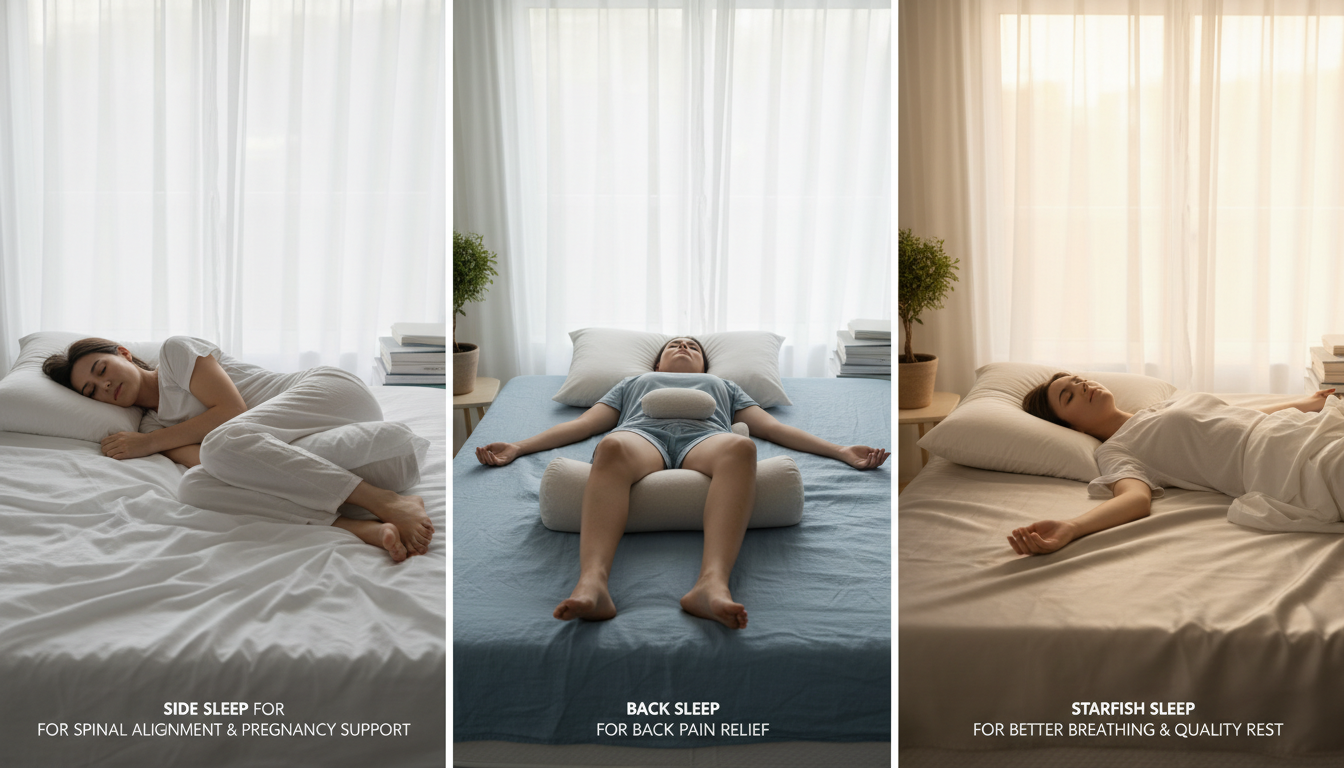
The Complete Guide to Finding Your Best Sleep Position for Optimal Health
TL;DR
Side sleeping is the most universally beneficial sleep position, providing optimal spinal alignment while reducing snoring, improving breathing, and enhancing brain waste removal during sleep. Left-side sleeping specifically helps with acid reflux and is especially beneficial for pregnant women, while proper pillow support between the knees and under the head is crucial for maximizing these benefits. The best sleep position ultimately depends on individual health needs, but side sleeping offers the most comprehensive health advantages for most people.
Table of Contents
– Understanding Sleep Position Fundamentals
– The Science-Backed Benefits of Side Sleeping
– How to Optimize Your Side Sleeping Position
– Back Sleeping: When It Works Best
– Optimizing Back Sleep Position
– Stomach Sleeping: Risks and Modifications
– Making Stomach Sleeping Safer
– Sleep Position Recommendations for Specific Health Conditions
– Sleep Position for Back Pain Relief
– Arthritis and Joint Health Considerations
– Managing Sleep Apnea Through Positioning
– Pregnancy Sleep Positions: Safety and Comfort
– Trimester-Specific Positioning Guidance
– Age-Specific Sleep Position Considerations
– Children and Sleep Positioning
– Elderly Sleep Position Needs
– What’s the Best Sleep Position for Reducing Wrinkles?
– Can Sleeping Position Affect Digestion?
– How Long Does It Take to Adapt to a New Sleep Position?
– Should Couples Sleep in Different Positions?
– Does Sleep Position Affect Athletic Recovery?
– Transitioning Between Sleep Positions Safely
– Overcoming Common Transition Challenges
– Mattress and Pillow Combinations for Optimal Support
– Material Considerations for Different Positions
– Gender Differences in Sleep Positioning
– Addressing Couple Sleep Positioning
– Recovery and Therapeutic Sleep Positioning
– Post-Surgery Positioning Guidelines
– Sleep Position Impact on Breathing and Circulation
– Addressing Circulation Issues Through Positioning
– Environmental Factors Affecting Sleep Position Comfort
– Creating Position-Specific Sleep Environments
– Advanced Sleep Position Strategies
– Integrating Sleep Position with Overall Sleep Hygiene
– Frequently Asked Questions
– What is the best sleep position for overall health?
– How can I determine my best sleep position for back pain?
– Is it safe to sleep on my back during pregnancy?
– Can changing my sleep position improve my snoring?
– How long does it take to get used to a new sleep position?
– What pillow height is best for side sleepers?
– Does sleep position affect wrinkle formation?
– Should I use different positions for different health conditions?
– Conclusion: Your Path to Optimal Sleep Positioning
—
Your sleep position affects far more than just your comfort—it influences your spinal health, breathing patterns, circulation, and overall well-being. The best sleep position is one that maintains proper spinal alignment while addressing your individual health needs and physical conditions. Research from the National Sleep Foundation indicates that 74% of people sleep in the same position throughout the night, making position selection crucial for long-term health outcomes.
Whether you’re dealing with chronic pain, expecting a baby, or simply seeking better rest, understanding how different positions affect your body empowers you to make informed choices about your sleep health. Poor sleep quality doesn’t just affect next-day performance—it has profound implications for your sleep-immunity connection and long-term health outcomes.
Understanding Sleep Position Fundamentals
Sleep positions fundamentally determine how your spine, organs, and circulatory system function during rest. Your healthiest sleeping position maintains neutral spinal alignment while supporting your body’s natural curves and optimizing organ function during sleep.
The three primary sleep positions—side, back, and stomach—each create different mechanical stresses on your body. Understanding these impacts helps explain why certain positions work better for specific health conditions and why workplace stress management often includes sleep positioning recommendations as part of comprehensive wellness strategies.
The Science-Backed Benefits of Side Sleeping
Side sleeping emerges as the gold standard sleep position for most adults, supported by extensive research demonstrating multiple health advantages. Studies show that side sleeping promotes optimal brain detoxification through enhanced glymphatic system activity, reducing waste products that accumulate during wake periods.
The lateral sleep position facilitates better breathing patterns, reduces snoring frequency by up to 70% in habitual snorers, and minimizes sleep apnea episodes. Additionally, side sleeping maintains natural spinal curvature when properly supported, reducing pressure on intervertebral discs and minimizing morning stiffness.
How to Optimize Your Side Sleeping Position
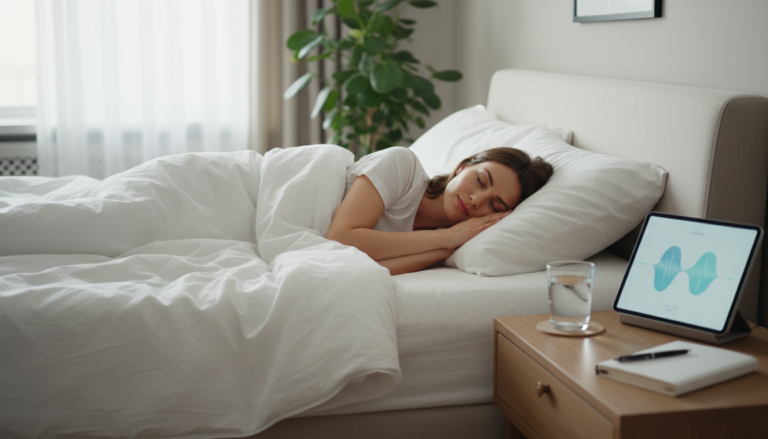
Proper side sleeping requires strategic pillow placement and mattress support to maintain spinal alignment. Place a pillow between your knees to prevent hip rotation and maintain neutral pelvic alignment throughout the night.
Your head pillow should maintain your neck in line with your spine—typically requiring a thicker pillow than back sleepers need. Consider adding a small pillow or rolled towel under your waist if you have an hourglass figure to prevent lateral spinal bending.
Back Sleeping: When It Works Best
Back sleeping provides excellent spinal support when executed correctly, distributing body weight evenly across the mattress surface. This position works particularly well for individuals with lower back pain, acid reflux, or facial skin concerns, as it eliminates pressure points and prevents facial contact with pillows.
Research indicates that back sleeping maintains natural spine curves better than other positions when using appropriate pillow support. However, this position can exacerbate snoring and sleep apnea in susceptible individuals due to gravity’s effect on airway tissues.
Optimizing Back Sleep Position
Successful back sleeping depends on proper pillow height and knee support to maintain natural lumbar curvature. Use a pillow that supports your neck’s natural curve without pushing your head too far forward—typically a medium-thickness pillow works best.
Place a pillow under your knees to maintain slight hip flexion, reducing strain on your lower back. If you experience lower back discomfort, try placing a small rolled towel under the small of your back for additional lumbar support.
Stomach Sleeping: Risks and Modifications
Stomach sleeping presents the most significant challenges for maintaining proper spinal alignment and can contribute to neck and back pain over time. This position forces your neck into prolonged rotation and can flatten the natural lumbar curve, creating stress on spinal joints and muscles.
However, stomach sleeping does offer some benefits for individuals with certain types of sleep apnea or snoring issues, as gravity helps keep airways open. The position can also provide relief for some digestive issues by promoting gastric emptying.
Making Stomach Sleeping Safer
If you’re committed to stomach sleeping, specific modifications can reduce associated risks and improve spinal alignment. Use a very thin pillow or no pillow at all under your head to minimize neck extension, and place a pillow under your pelvis to support natural lumbar curvature.
Consider alternating which direction you turn your head throughout the night to prevent prolonged rotation in one direction. A firm mattress provides better support for stomach sleepers than softer surfaces that allow excessive sinking.
Sleep Position Recommendations for Specific Health Conditions
Different health conditions benefit from specific sleep positioning strategies that address underlying physiological challenges. Understanding how your condition interacts with various sleep positions enables targeted interventions that can significantly improve both sleep quality and symptom management.
Considering that many health conditions involve inflammation and immune system responses, optimizing sleep position becomes even more critical when viewed through the lens of how sleep affects immunity and overall healing processes.
Sleep Position for Back Pain Relief
Back pain sufferers benefit most from positions that maintain natural spinal curves while minimizing pressure on affected areas. Side sleeping with proper pillow support between the knees typically provides the most relief for chronic lower back pain, while back sleeping works well for upper back and neck issues.
For acute back pain episodes, the “recovery position” of lying on your back with knees bent and feet flat on the bed can provide immediate relief by reducing disc pressure and muscle tension.
Arthritis and Joint Health Considerations
Arthritis pain often intensifies during sleep due to prolonged joint immobility and inflammatory processes that peak during nighttime hours. Side sleeping with strategic pillow placement can reduce joint compression while maintaining circulation to affected areas.
Individuals with hip arthritis should avoid sleeping on the affected side, while those with shoulder arthritis benefit from sleeping on the unaffected side with the painful arm supported on a pillow.
Managing Sleep Apnea Through Positioning
Sleep apnea severity correlates strongly with sleep position, with back sleeping typically worsening symptoms due to gravitational effects on airway tissues. Side sleeping can reduce apnea episodes by up to 50% in position-dependent sleep apnea cases.
Left-side sleeping specifically appears most beneficial for sleep apnea management, as it optimizes both airway positioning and cardiac function during sleep.
Pregnancy Sleep Positions: Safety and Comfort
Pregnancy dramatically alters optimal sleep positioning due to changing anatomy, increased blood volume, and growing fetal needs. Left-side sleeping becomes crucial during the second and third trimesters to optimize blood flow to the placenta and reduce pressure on major blood vessels.
The growing uterus can compress the inferior vena cava when sleeping on the back, potentially reducing blood flow to both mother and baby. This positional compression explains why many pregnant women experience dizziness or nausea when lying flat on their backs.
Trimester-Specific Positioning Guidance
First trimester sleep positioning remains relatively flexible, as the uterus hasn’t yet grown large enough to significantly impact circulation or comfort. However, establishing side-sleeping habits early in pregnancy makes the transition easier as the belly grows and positioning becomes more critical.
Second and third trimesters require more strategic positioning, with left-side sleeping preferred to optimize circulation. Use pregnancy pillows or body pillows to support the growing belly and prevent rolling onto the back during sleep.
Age-Specific Sleep Position Considerations
Age-related changes in bone density, muscle mass, joint flexibility, and circulation influence optimal sleep positioning throughout the lifespan. Understanding these developmental and degenerative changes helps customize sleep positioning strategies for different age groups.
Children and Sleep Positioning
Children’s sleep positioning needs differ significantly from adults due to their smaller size, different proportions, and developing musculoskeletal systems. Most children naturally gravitate toward side sleeping, which supports healthy spinal development and breathing patterns.
Infants require special positioning considerations for safety, with back sleeping recommended to reduce SIDS risk. As children grow, their natural sleep position preferences usually indicate what works best for their developing bodies.
Elderly Sleep Position Needs
Aging brings specific challenges that influence optimal sleep positioning, including decreased bone density, reduced muscle mass, joint stiffness, and circulation changes. Side sleeping often becomes more comfortable for elderly individuals as it reduces pressure on arthritic joints while maintaining breathing efficiency.
Additional pillow support becomes increasingly important with age to accommodate changes in spinal curvature and joint flexibility. Many elderly individuals benefit from adjustable beds that allow for slight elevation of the head and legs.
What’s the Best Sleep Position for Reducing Wrinkles?
Sleep position significantly impacts facial aging and wrinkle formation through prolonged pressure and compression against pillows and mattresses. Back sleeping minimizes facial contact with pillows, reducing sleep lines and preventing repetitive compression that contributes to permanent wrinkle formation.
Side sleepers can minimize facial compression by using silk or satin pillowcases that create less friction, or by using specialized contour pillows that reduce facial contact pressure.
Can Sleeping Position Affect Digestion?
Sleep position influences digestive processes through effects on gastric emptying, acid reflux, and intestinal motility. Left-side sleeping promotes optimal digestion by leveraging gravity to facilitate gastric emptying and reduce acid reflux symptoms.
This positioning advantage occurs because the stomach’s anatomy naturally curves toward the left side, making left-side sleeping particularly beneficial for individuals with GERD or other digestive issues. Proper digestive health during sleep also relates to overall gut ecosystem balance, which is explored in depth in research on microbiome optimization.
How Long Does It Take to Adapt to a New Sleep Position?
Transitioning to a new sleep position typically requires 2-4 weeks of consistent practice, though individual adaptation rates vary significantly. Success depends on gradual implementation, proper support accessories, and addressing underlying reasons for position preferences.
Most people experience initial discomfort or frequent awakening during the first week of position change, but persistence generally leads to successful adaptation and improved sleep quality.
Should Couples Sleep in Different Positions?
Partner sleep positions should be individualized based on each person’s health needs, comfort preferences, and physical characteristics. Couples benefit most when each partner optimizes their individual sleep position rather than forcing compatibility at the expense of sleep quality.
Bed size, mattress type, and pillow arrangement can be adjusted to accommodate different positioning needs while maintaining relationship intimacy and connection.
Does Sleep Position Affect Athletic Recovery?
Sleep position influences athletic recovery through effects on circulation, inflammation, growth hormone release, and muscle repair processes. Side sleeping typically promotes optimal circulation and lymphatic drainage, supporting faster recovery from intense training sessions.
Athletes with specific injuries may need customized positioning strategies that protect affected areas while maintaining overall sleep quality necessary for peak performance.
Transitioning Between Sleep Positions Safely
Changing long-established sleep position habits requires patience, strategy, and gradual implementation to avoid disrupting sleep quality during the transition period. Successful position changes involve addressing both physical comfort factors and psychological associations with familiar sleeping arrangements.
Strategic use of pillows, gradual implementation, and understanding the reasons behind current position preferences help facilitate smoother transitions to healthier sleep positions.
Overcoming Common Transition Challenges
The most common challenges during sleep position transitions include initial discomfort, frequent awakening, and unconscious reversion to old positions during sleep. Using positional therapy tools like body pillows, wedges, or even tennis balls sewn into pajama backs can prevent unconscious rolling into undesired positions.
Consistency and patience are crucial, as most people require several weeks to fully adapt to new positioning. Focus on gradual changes rather than immediate complete transitions.
Mattress and Pillow Combinations for Optimal Support
The interaction between mattress firmness, pillow support, and sleep position creates the foundation for proper spinal alignment and comfortable rest. Different sleep positions require specific support characteristics to maintain neutral spinal positioning throughout the night.
Side sleepers typically benefit from slightly softer mattresses that allow hip and shoulder contouring, while back sleepers often prefer medium-firm support that maintains lumbar curves.
Material Considerations for Different Positions
Mattress and pillow materials affect temperature regulation, conforming ability, and support characteristics that influence position-specific comfort. Memory foam provides excellent pressure relief for side sleepers, while latex offers more responsive support preferred by combination sleepers.
Pillow materials should complement sleep position needs—down alternatives work well for back sleepers, while firmer memory foam or latex pillows often better support side sleepers’ necks.
Gender Differences in Sleep Positioning
Biological and anatomical differences between men and women influence optimal sleep positioning, comfort preferences, and health outcomes. Women’s wider hip-to-waist ratios often make side sleeping more comfortable, while men’s broader shoulders may require different pillow support strategies.
Hormonal fluctuations, particularly in women, can affect temperature regulation and comfort preferences that influence ideal sleep positioning throughout different life stages.
Addressing Couple Sleep Positioning
Couples often struggle with conflicting sleep position needs, temperature preferences, and movement disturbances that affect both partners’ sleep quality. Split mattress systems, adjustable bed bases, and individualized bedding can accommodate different positioning needs without sacrificing intimacy.
Communication about individual sleep needs and collaborative problem-solving typically leads to solutions that improve both partners’ rest quality.
Recovery and Therapeutic Sleep Positioning
Medical conditions, injuries, and post-surgical recovery often require specific sleep positioning modifications to promote healing and prevent complications. Therapeutic positioning strategies should always be discussed with healthcare providers to ensure they align with specific medical needs and recovery goals.
Recovery positioning may be temporary during acute healing phases or may represent long-term adaptations for chronic conditions that benefit from specific postural support.
Post-Surgery Positioning Guidelines
Surgical procedures often require specific positioning restrictions to protect healing tissues, prevent complications, and optimize recovery outcomes. Post-operative positioning guidelines vary significantly based on surgery type, location, and individual healing factors.
Common post-surgical positioning includes elevation requirements, side restrictions, and movement limitations that may temporarily override normal position preferences in favor of healing optimization.
Sleep Position Impact on Breathing and Circulation
Sleep position profoundly affects respiratory function and cardiovascular circulation through gravitational effects on airway tissues and blood flow patterns. Understanding these physiological impacts helps explain why certain positions improve or worsen breathing disorders and circulation issues.
Cardiovascular health, respiratory efficiency, and sleep position interact in complex ways that can significantly impact overall health outcomes and sleep quality.
Addressing Circulation Issues Through Positioning
Poor circulation during sleep can result from position-related compression of blood vessels, leading to numbness, tingling, and disrupted rest. Strategic positioning and pillow placement can optimize blood flow while maintaining spinal alignment and comfort.
Elevation strategies, avoiding prolonged pressure on limbs, and maintaining neutral joint positions help promote healthy circulation throughout the night.
Environmental Factors Affecting Sleep Position Comfort
Room temperature, humidity, bedding materials, and sleep surface characteristics all influence position-specific comfort and the ability to maintain optimal positioning throughout the night. Environmental optimization supports successful positioning by addressing factors that might cause discomfort or frequent position changes.
Different sleep positions may require specific environmental adjustments to maximize comfort and maintain positioning throughout the night.
Creating Position-Specific Sleep Environments
Optimizing your sleep environment for your preferred position involves considering temperature regulation, support accessories, and spatial requirements. Side sleepers may benefit from cooler temperatures and strategic pillow placement, while back sleepers might prefer slightly elevated head positioning.
Environmental modifications should complement natural position preferences while addressing any challenges that interfere with maintaining optimal positioning during sleep.
Advanced Sleep Position Strategies
Advanced positioning techniques integrate multiple factors including medical conditions, age-related changes, lifestyle factors, and individual anatomy to create comprehensive sleep positioning strategies. These approaches often involve combination techniques, adaptive accessories, and personalized modifications based on changing needs.
Mastering advanced positioning strategies often requires experimentation, professional guidance, and gradual implementation to achieve optimal results.
Integrating Sleep Position with Overall Sleep Hygiene
Optimal sleep positioning works best when integrated with comprehensive sleep hygiene practices including consistent sleep schedules, optimal sleep environments, and healthy pre-sleep routines. Sleep position optimization should be viewed as one component of a holistic approach to sleep health that includes multiple lifestyle and environmental factors.
Stress management techniques, such as those outlined in natural anxiety relief strategies, often complement positioning strategies to create comprehensive sleep improvement approaches.
Frequently Asked Questions
What is the best sleep position for overall health?
Side sleeping, particularly on the left side, offers the most comprehensive health benefits for most adults. This position promotes optimal spinal alignment, reduces snoring, improves breathing, enhances brain waste removal through the glymphatic system, and supports healthy digestion. Left-side sleeping specifically benefits heart health and reduces acid reflux symptoms.
How can I determine my best sleep position for back pain?
For back pain relief, try side sleeping with a pillow between your knees to maintain hip alignment, or back sleeping with a pillow under your knees to support natural lumbar curvature. The best position depends on your specific pain location—upper back pain often responds better to back sleeping, while lower back pain typically improves with supported side sleeping. Experiment with different positions for several nights each to determine what provides the most relief.
Is it safe to sleep on my back during pregnancy?
Back sleeping becomes inadvisable after the first trimester due to the risk of supine hypotensive syndrome, where the growing uterus compresses major blood vessels, potentially reducing blood flow to the baby. Left-side sleeping is recommended throughout pregnancy to optimize circulation and reduce the risk of complications. Use pregnancy pillows to maintain side positioning and prevent rolling onto your back during sleep.
Can changing my sleep position improve my snoring?
Yes, sleep position significantly affects snoring frequency and intensity. Side sleeping can reduce snoring by up to 70% compared to back sleeping, as it prevents gravity from causing airway tissues to collapse backward. If you’re a back sleeper who snores, transitioning to side sleeping often provides immediate improvement. Elevating your head slightly can also help reduce snoring in any position.
How long does it take to get used to a new sleep position?
Most people require 2-4 weeks to fully adapt to a new sleep position, though some may adjust more quickly or take longer depending on individual factors. The first week typically involves the most discomfort and frequent awakening, but persistence usually leads to successful adaptation. Using supportive pillows and making gradual changes rather than sudden complete transitions can speed the adaptation process.
What pillow height is best for side sleepers?
Side sleepers generally need thicker pillows than back sleepers to fill the space between the shoulder and neck, maintaining neutral spinal alignment. The ideal height varies based on shoulder width and mattress firmness—broader shoulders require thicker pillows, while softer mattresses that allow more shoulder sinking may require thinner pillows. Your pillow should keep your head aligned with your spine without tilting up or down.
Does sleep position affect wrinkle formation?
Yes, sleep position significantly impacts facial aging and wrinkle formation. Back sleeping minimizes facial contact with pillows, reducing compression and friction that contribute to sleep lines and permanent wrinkles. Side and stomach sleeping create repeated facial compression that can accelerate wrinkle formation, particularly around the eyes and mouth. Using silk pillowcases or specialized contour pillows can minimize these effects for non-back sleepers.
Should I use different positions for different health conditions?
Yes, different health conditions often benefit from specific sleep positioning strategies. Acid reflux improves with left-side sleeping, sleep apnea responds well to side positioning, back pain may require specific pillow support based on pain location, and certain heart conditions benefit from slight elevation. Consult with healthcare providers about optimal positioning for chronic health conditions, as medical needs should take priority over comfort preferences.
Conclusion: Your Path to Optimal Sleep Positioning
Finding your optimal sleep position requires balancing scientific evidence with individual needs, health conditions, and comfort preferences. While side sleeping offers the most universal benefits for spinal alignment, breathing, and brain health, the best position for you depends on your specific circumstances, age, health status, and physical characteristics.
Successful sleep positioning involves more than just choosing a position—it requires appropriate pillow support, mattress selection, environmental optimization, and sometimes gradual transition strategies. Remember that changing sleep positions takes patience and persistence, but the long-term benefits to your spinal health, breathing quality, and overall well-being make the effort worthwhile.
Start by identifying your current position’s benefits and limitations, then gradually implement changes using proper support accessories. If you have specific health conditions, consult with healthcare providers to ensure your positioning choices align with your medical needs. With time and proper implementation, optimal sleep positioning becomes a natural part of your nightly routine, contributing to better rest and improved overall health.