The Complete Guide to the Best Sleep Supplements for Natural, Restorative Sleep
TL;DR
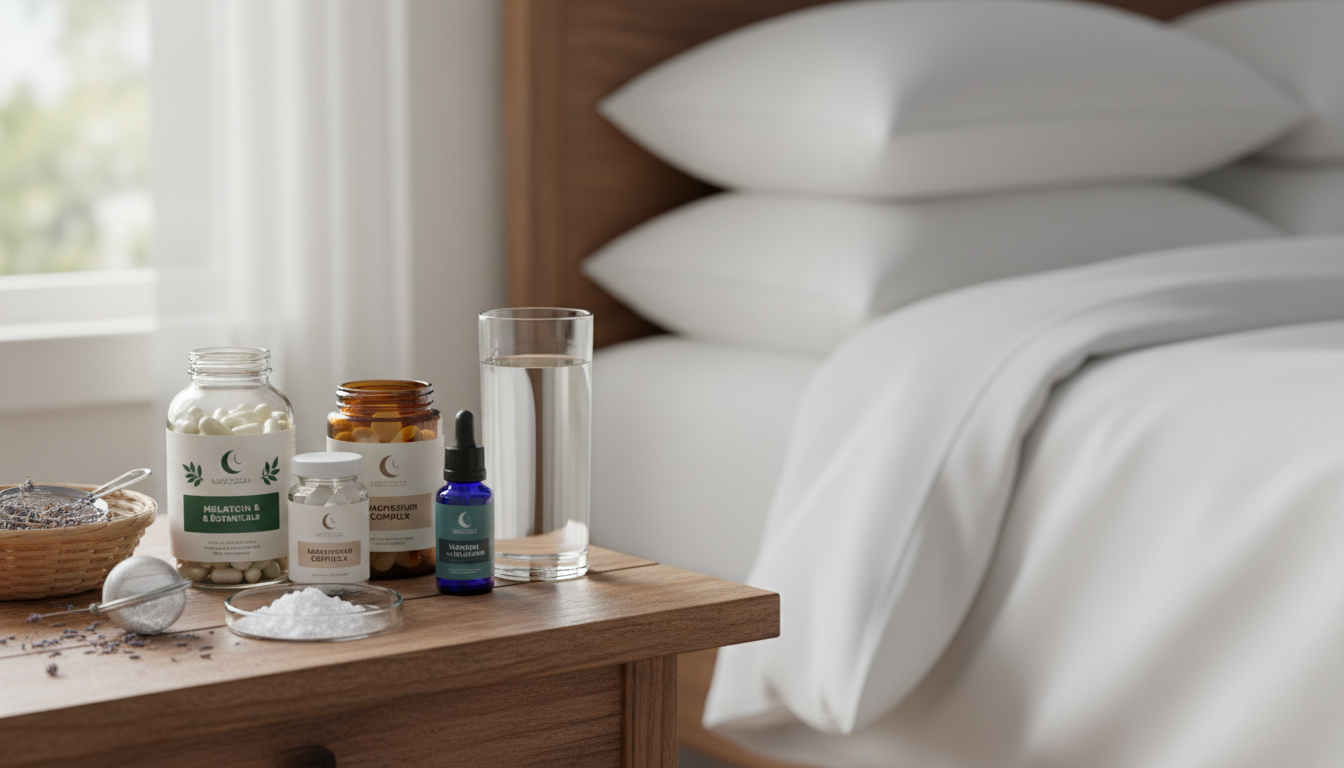
The best sleep supplements for natural, restorative sleep include melatonin (0.5-3mg), magnesium glycinate (200-400mg), and L-theanine (100-200mg), which work by supporting your body’s natural sleep mechanisms rather than forcing sleep like prescription medications. These evidence-based supplements help regulate circadian rhythms, reduce stress, and promote muscle relaxation without dependency risks. For optimal results, take melatonin 1-2 hours before bedtime, magnesium with dinner, and combine supplements with proper sleep hygiene practices.
Table of Contents
– Understanding Sleep Supplements: How They Work in Your Body
– Top 10 Best Sleep Supplements: Evidence-Based Rankings
– 1. Melatonin: The Gold Standard
– 2. Magnesium Glycinate: The Muscle Relaxer
– 3. L-Theanine: The Stress Reducer
– 4. Valerian Root: The Traditional Helper
– 5. GABA: The Neurotransmitter Support
– Melatonin Supplements: Complete Dosing and Timing Guide
– What Time Should You Take Melatonin?
– Can You Build Tolerance to Melatonin?
– Should You Take Melatonin Every Night?
– Magnesium for Sleep: Types, Benefits, and Optimal Dosing
– Natural Sleep Aids: Herbal Options That Actually Work
– Sleep Supplement Reviews: What the Research Really Says
– How Long Do Sleep Supplements Take to Work?
– Do Sleep Supplements Cause Dependency?
– Safety First: Interactions and Contraindications
– Age-Specific Sleep Supplement Recommendations
– Teenagers (13-18 years)
– Young Adults (19-39 years)
– Middle-Aged Adults (40-59 years)
– Seniors (60+ years)
– Timing and Dosage: Maximizing Supplement Effectiveness
– Supplement Cycling Protocols
– Combining Supplements with Sleep Hygiene for Maximum Results
– Sleep Disorders and Targeted Supplement Approaches
– Sleep Apnea Considerations
– Restless Leg Syndrome Support
– Shift Work Sleep Disorder
– Quality Testing and Third-Party Certifications
– Red Flags in Supplement Quality
– Cost-Effectiveness Analysis: Supplements vs. Prescription Alternatives
– Value Considerations
– Building Your Personal Sleep Supplement Protocol
– Progressive Protocol Development
– Long-Term Optimization
– Frequently Asked Questions
– What are the best sleep supplements for beginners?
– How long should you take sleep supplements?
– Can you take multiple sleep supplements together?
– Do natural sleep aids work as well as prescription medications?
– What’s the difference between sleep aids and sleep supplements?
– Are sleep supplements safe for daily use?
– How do I know if my sleep supplements are working?
– Can sleep supplements help with anxiety-related insomnia?
– Conclusion: Your Path to Better Sleep Starts Tonight
—
Millions of people struggle with sleep issues, and finding the right solution can feel overwhelming. The best sleep supplements work by supporting your body’s natural sleep mechanisms, with melatonin, magnesium, and L-theanine leading the pack for both safety and effectiveness. Unlike prescription medications, natural sleep aids offer a gentler approach to improving sleep quality without the risk of dependency or severe side effects.
According to the National Sleep Foundation, approximately 35% of adults report poor sleep quality, leading many to seek supplemental support. The key lies in understanding which supplements align with your specific sleep challenges and how to use them effectively. Research has shown that sleep quality directly impacts your immune system, making effective sleep support crucial for overall health.
Understanding Sleep Supplements: How They Work in Your Body
Sleep supplements work by influencing your body’s natural sleep-wake cycle, neurotransmitter production, and stress response systems. Rather than forcing sleep like pharmaceutical options, natural sleep aids support the biological processes that naturally promote rest.
The mechanisms vary by supplement type, but most work through these pathways: regulating melatonin production for circadian rhythm alignment, supporting GABA neurotransmitter activity for relaxation, reducing cortisol levels to manage stress, and promoting muscle relaxation through mineral balance. When selecting supplements, it’s essential to understand that essential vitamins and minerals play foundational roles in sleep biochemistry, and deficiencies can significantly impact sleep quality regardless of supplementation efforts.
Top 10 Best Sleep Supplements: Evidence-Based Rankings
1. Melatonin: The Gold Standard
Melatonin is the most researched and effective sleep supplement, particularly for circadian rhythm disorders and jet lag. This hormone naturally regulates your sleep-wake cycle and is produced by the pineal gland in response to darkness.
2. Magnesium Glycinate: The Muscle Relaxer
Magnesium glycinate is the most bioavailable form of magnesium for sleep support, promoting both physical and mental relaxation. This mineral acts as a natural calcium channel blocker, helping muscles relax and reducing neuronal excitability.
3. L-Theanine: The Stress Reducer
L-theanine, found naturally in green tea, promotes relaxation without sedation by increasing alpha brain waves and supporting GABA production. This amino acid is particularly effective for anxiety-related sleep issues.
For those dealing with stress-related sleep problems, combining L-theanine with natural anxiety relief strategies can provide comprehensive support for both mental wellness and sleep quality.
4. Valerian Root: The Traditional Helper
Valerian root has been used for centuries as a natural sedative, working by increasing GABA availability in the brain. While effective for many, it can take several weeks of consistent use to reach full effectiveness.
5. GABA: The Neurotransmitter Support
GABA (gamma-aminobutyric acid) is the brain’s primary inhibitory neurotransmitter, promoting relaxation and reducing neural activity. However, oral GABA supplements have limited ability to cross the blood-brain barrier, making precursor nutrients often more effective.
Melatonin Supplements: Complete Dosing and Timing Guide
What Time Should You Take Melatonin?
The optimal timing for melatonin is 1-2 hours before your desired bedtime, allowing adequate time for absorption and the onset of drowsiness. This timing mimics your body’s natural melatonin release pattern.
Can You Build Tolerance to Melatonin?
Current research suggests that melatonin tolerance is uncommon when using physiological doses (0.5-3mg), unlike with many sleep medications. However, some individuals may experience reduced effectiveness over time with very high doses.
Should You Take Melatonin Every Night?
Melatonin can be taken nightly for most people, but cycling protocols may be beneficial for maintaining optimal effectiveness. Consider taking breaks every few months to assess your natural sleep patterns.
Magnesium for Sleep: Types, Benefits, and Optimal Dosing
Magnesium glycinate and magnesium threonate are the most effective forms for sleep, offering superior absorption and fewer digestive side effects compared to magnesium oxide. The recommended dosage ranges from 200-400mg taken 1-2 hours before bedtime.
Magnesium deficiency is surprisingly common and can significantly impact sleep quality. Unlike many supplements that require careful monitoring, magnesium has an excellent safety profile when used within recommended ranges.
Natural Sleep Aids: Herbal Options That Actually Work
Evidence-based herbal sleep aids include passionflower, chamomile, lemon balm, and magnolia bark, each offering unique mechanisms for promoting rest. These botanicals work synergistically with lifestyle approaches and can be particularly effective when addressing stress-related sleep issues.
Chamomile contains apigenin, which binds to benzodiazepine receptors in the brain, promoting mild sedation. Passionflower increases GABA activity, while lemon balm provides both sedative and anxiolytic effects. These natural options work especially well when combined with comprehensive stress management techniques for those whose sleep issues stem from work or life stress.
Sleep Supplement Reviews: What the Research Really Says
How Long Do Sleep Supplements Take to Work?
Most sleep supplements show initial effects within 30-60 minutes, but optimal benefits often develop over 2-4 weeks of consistent use. Melatonin and L-theanine work relatively quickly, while herbal options like valerian root may require longer to reach full effectiveness.
Do Sleep Supplements Cause Dependency?
Natural sleep supplements have significantly lower dependency risk compared to prescription sleep medications, with most showing no physical dependence potential. However, psychological dependence can develop with any sleep aid, making it important to address underlying sleep hygiene and lifestyle factors.
Safety First: Interactions and Contraindications
Sleep supplements can interact with medications, particularly blood thinners, diabetes medications, and other sedatives, requiring medical supervision in these cases. Always consult healthcare providers before starting new supplements, especially if you have chronic health conditions.
The supplement industry faces ongoing quality control challenges, and FDA regulations for supplements remain limited, making third-party testing and reputable brands crucial for safety.
Age-Specific Sleep Supplement Recommendations
Teenagers (13-18 years)
Teenagers should focus on sleep hygiene first, with melatonin (0.5-1mg) being the safest supplement option when needed. Natural melatonin production is already high in this age group, making lower doses more appropriate.
Young Adults (19-39 years)
Young adults can safely use the full range of sleep supplements, with magnesium and L-theanine being particularly beneficial for stress-related sleep issues. This age group often benefits from addressing lifestyle factors alongside supplementation.
Middle-Aged Adults (40-59 years)
Middle-aged adults may need higher magnesium doses due to decreased absorption and increased stress levels, with melatonin becoming more beneficial as natural production begins to decline. Hormone-related sleep changes in this group may require more comprehensive approaches.
Seniors (60+ years)
Seniors often benefit most from melatonin supplementation due to significantly reduced natural production, but should start with lower doses and monitor for interactions with medications. This age group requires careful attention to supplement-drug interactions.
Timing and Dosage: Maximizing Supplement Effectiveness
Supplement Cycling Protocols
Cycling sleep supplements can help maintain effectiveness and prevent tolerance, with protocols ranging from 5 days on/2 days off to monthly breaks. Individual response varies, making personalized approaches most effective.
Combining Supplements with Sleep Hygiene for Maximum Results
Sleep supplements work best when combined with proper sleep hygiene practices including consistent sleep schedules, optimized sleep environment, and pre-bedtime routines. Supplements should complement, not replace, fundamental sleep practices.
Nutrition plays a crucial role in sleep quality, and understanding macronutrients can help optimize evening meals for better sleep. Heavy meals close to bedtime can interfere with supplement effectiveness and natural sleep processes.
Sleep Disorders and Targeted Supplement Approaches
Sleep Apnea Considerations
Individuals with sleep apnea should use sedating supplements cautiously, as they may worsen breathing disruptions during sleep. Medical evaluation is essential before using sleep aids with diagnosed or suspected sleep apnea.
Restless Leg Syndrome Support
Magnesium and iron supplementation may help with restless leg syndrome, but require proper testing and medical oversight to determine deficiency status. RLS often has underlying nutritional components that supplements can address.
Shift Work Sleep Disorder
Shift workers may benefit from strategic melatonin use and light therapy combined with supplements, but timing becomes critical for circadian rhythm management. This population requires specialized approaches to sleep supplementation.
Quality Testing and Third-Party Certifications
Red Flags in Supplement Quality
Avoid sleep supplements with proprietary blends, excessive marketing claims, or lack of third-party testing, as these often indicate quality control issues. Look for USP, NSF, or ConsumerLab certifications when available.
Cost-Effectiveness Analysis: Supplements vs. Prescription Alternatives
Value Considerations
Sleep supplements typically cost $10-50 per month compared to $100-300 for prescription sleep medications, while offering comparable effectiveness for many sleep issues. The lower risk profile of natural options adds additional value beyond cost savings.
Building Your Personal Sleep Supplement Protocol
Progressive Protocol Development
Start with single supplements to assess individual responses before combining multiple products, beginning with the safest options like magnesium or L-theanine. This approach helps identify what works best for your specific needs.
Long-Term Optimization
Successful sleep supplement protocols evolve over time, requiring periodic assessment and adjustment based on life changes, stress levels, and sleep quality metrics. Regular evaluation ensures continued effectiveness and prevents unnecessary supplementation.
Frequently Asked Questions
What are the best sleep supplements for beginners?
Beginners should start with magnesium glycinate (200mg) or L-theanine (100mg) as these have excellent safety profiles and gentle effects. These options are less likely to cause morning grogginess or interact with other supplements.
How long should you take sleep supplements?
Sleep supplements can be used long-term safely, but periodic breaks help assess whether underlying sleep issues have resolved and prevent psychological dependence. Most experts recommend evaluating need every 3-6 months.
Can you take multiple sleep supplements together?
Yes, many sleep supplements work synergistically together, such as magnesium with L-theanine or melatonin with valerian root, but start with lower doses when combining. Always introduce new combinations gradually.
Do natural sleep aids work as well as prescription medications?
Natural sleep aids can be equally effective for many people, particularly those with mild to moderate sleep issues, while offering better safety profiles and less dependency risk. Severe insomnia may require medical intervention.
What’s the difference between sleep aids and sleep supplements?
Sleep aids include both natural supplements and prescription medications, while sleep supplements specifically refer to natural, over-the-counter options like herbs, vitamins, and minerals. The terms are often used interchangeably but have distinct regulatory differences.
Are sleep supplements safe for daily use?
Most natural sleep supplements are safe for daily use when used appropriately, but cycling protocols may optimize long-term effectiveness and prevent tolerance. Individual health status affects safety considerations.
How do I know if my sleep supplements are working?
Effective sleep supplements should improve sleep onset time, reduce night wakings, and enhance morning alertness within 2-4 weeks of consistent use. Keep a sleep diary to track objective improvements.
Can sleep supplements help with anxiety-related insomnia?
Yes, supplements like L-theanine, magnesium, and passionflower are particularly effective for anxiety-related sleep issues by addressing both stress and sleep mechanisms. However, comprehensive anxiety treatment may require additional approaches.
Conclusion: Your Path to Better Sleep Starts Tonight
The journey to better sleep through natural supplementation requires patience, consistency, and a willingness to experiment with what works best for your unique biochemistry. Start with the foundational trio of melatonin, magnesium, and L-theanine, adjusting doses and timing based on your response.
Remember that supplements work best as part of a comprehensive sleep strategy that includes proper sleep hygiene, stress management, and addressing any underlying health issues. Quality matters significantly in the supplement world, so invest in third-party tested products from reputable manufacturers.
Your sleep challenges didn’t develop overnight, and the solution may take time to optimize. Be patient with the process, track your progress, and don’t hesitate to consult with healthcare providers when needed. With the right approach, natural sleep supplements can be a safe, effective tool for achieving the restorative sleep your body needs for optimal health and wellbeing.
Continue Reading
- The Complete Sleep Optimization Guide: Science-Based Strategies for Perfect Rest
- The 2026 Guide to Natural Supplements for Better Sleep
- How Much Deep Sleep Do You Need? Your Complete Guide to Optimal Rest
- The Sleep-Immunity Connection: How Your Nightly Rest Determines Your Body’s Defense System and Lifespan