
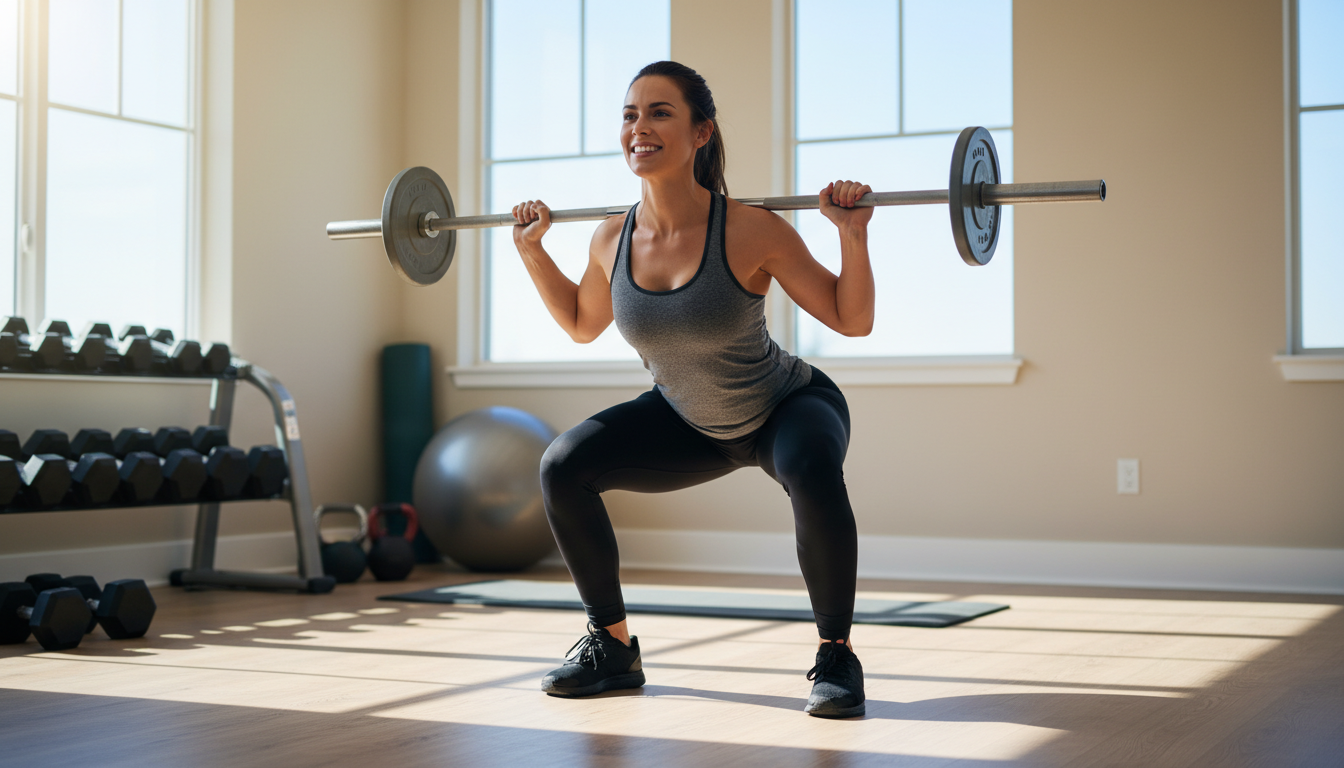
Strength Training for Beginners: Your Complete Guide to Building Strength and Confidence
TL;DR
Strength training for beginners involves exercising muscles against resistance to build strength, muscle mass, and bone density while offering benefits like improved sleep, immune function, and metabolic health. You can start with bodyweight exercises or light weights and progress gradually, with most people seeing results within 2-4 weeks of consistent training 2-3 times per week. The key is to focus on proper form over heavy weights and allow adequate rest between sessions for muscle recovery and growth.
Table of Contents
– What Is Strength Training and Why Should You Start?
– How Does Strength Training Differ from Cardio?
– Essential Benefits of Strength Training for Beginners
– What About Hormonal Benefits?
– Getting Started: Your First Steps into Strength Training
– How Do You Know When You’re Ready for Weights?
– Essential Equipment for Beginner Strength Training
– What About Gym Membership vs. Home Training?
– Fundamental Strength Training Exercises for Beginners
– How Should Beginners Approach Core Training?
– Creating Your First Strength Training Program
– What Does Progressive Periodization Look Like for Beginners?
– Beginner Gym Workouts: Navigating Your First Gym Experience
– How Do You Overcome Gym Intimidation?
– Safety First: Avoiding Common Beginner Mistakes
– What Are the Most Critical Safety Considerations?
– Age-Specific Modifications for Strength Training
– Are There Special Considerations for Older Adults?
– Nutrition and Recovery for Strength Training Success
– Do Beginners Need Supplements for Strength Training?
– Integrating Strength Training with Other Wellness Practices
– How Does Strength Training Affect Sleep and Recovery?
– Common Challenges and How to Overcome Them
– What About Dealing with Soreness and Fatigue?
– Strength Training for Different Health Conditions
– Should You Work with Healthcare Providers?
– Building Long-Term Success and Motivation
– How Do You Maintain Motivation Over Time?
– Frequently Asked Questions
– How often should beginners do strength training?
– Can you do strength training for beginners at home without equipment?
– How long does it take to see results from strength training?
– What’s the difference between strength training and weight lifting?
– Is strength training safe for people over 50?
– How much weight should beginners start with?
– Can strength training help with weight loss?
– What should you eat before and after strength training?
—
Starting your strength training journey can feel overwhelming, but it’s one of the most transformative decisions you can make for your health. Strength training for beginners doesn’t require years of experience or expensive equipment – just the right knowledge and a commitment to consistency. Whether you’re 25 or 65, strength training offers profound benefits that extend far beyond building muscle, including improved bone density, enhanced mental health, and better immune function.
The beauty of beginner weight lifting lies in its adaptability. Your body will respond remarkably well to progressive resistance, regardless of your starting point. Modern research shows that strength training creates positive changes in your microbiome, improves sleep quality, and builds confidence that carries into every aspect of your life.
What Is Strength Training and Why Should You Start?
Strength training, also known as resistance training, involves exercising your muscles against an opposing force to build strength, endurance, and muscle mass. This force can come from weights, resistance bands, your own body weight, or even household items. The principle remains the same: challenging your muscles to adapt and grow stronger.
The benefits of starting how to start strength training extend far beyond the visible changes in your physique. Research demonstrates that resistance training can significantly improve your sleep quality and recovery patterns, which are crucial for muscle growth and overall wellness.
How Does Strength Training Differ from Cardio?
While cardio focuses on elevating heart rate for extended periods, strength training emphasizes short bursts of intense muscular effort followed by rest periods. Both forms of exercise are valuable, but they create different adaptations in your body.
Understanding the differences between HIIT and steady-state cardio can help you create a well-rounded fitness routine that includes both strength and cardiovascular components for optimal health benefits.
Essential Benefits of Strength Training for Beginners
Strength training delivers both immediate and long-term benefits that impact every system in your body. Within just a few sessions, you’ll notice improved energy levels, better posture, and enhanced confidence. The long-term benefits are even more impressive, including increased bone density, improved insulin sensitivity, and better cognitive function.
What About Hormonal Benefits?
Strength training positively influences hormone production, including growth hormone, testosterone, and insulin-like growth factor-1 (IGF-1). These hormonal changes support muscle growth, fat loss, and overall vitality.
Getting Started: Your First Steps into Strength Training
The most important step in beginning your strength training journey is starting with proper form and gradually building intensity. Many beginners make the mistake of lifting too much weight too soon, which can lead to injury and setback. Instead, focus on mastering movement patterns with lighter weights or bodyweight exercises.
Perfecting your exercise form and technique should be your primary focus as a beginner. This foundation will serve you well as you progress to heavier weights and more complex movements.
How Do You Know When You’re Ready for Weights?
You’re ready to add external resistance when you can perform bodyweight exercises with perfect form for the recommended repetitions. This typically takes 2-4 weeks of consistent practice for most beginners.
Essential Equipment for Beginner Strength Training
You don’t need expensive equipment to start strength training effectively. Bodyweight exercises, resistance bands, and a few basic pieces of equipment can provide everything you need for a complete strength training program.
What About Gym Membership vs. Home Training?
Both options have advantages. Gyms offer variety and professional equipment, while home training provides convenience and privacy. Consider exploring comprehensive home gym equipment options that can provide professional-quality workouts in the comfort of your own space.
Fundamental Strength Training Exercises for Beginners
Master these foundational movement patterns: squat, hinge (deadlift), push, pull, and carry. These compound exercises work multiple muscle groups simultaneously, providing maximum benefit for your time investment.
How Should Beginners Approach Core Training?
Core training should focus on stability and proper breathing patterns rather than endless crunches. Planks, dead bugs, and bird dogs are excellent starting points.
Creating Your First Strength Training Program
A beginner program should include 2-3 full-body workouts per week, with at least one day of rest between sessions. Each workout should include one exercise from each major movement pattern, performed for 2-3 sets of 8-12 repetitions.
What Does Progressive Periodization Look Like for Beginners?
For beginners, progression is simple: add weight, repetitions, or sets gradually each week. Avoid the temptation to progress too quickly – consistency trumps intensity at this stage.
Beginner Gym Workouts: Navigating Your First Gym Experience
Your first gym visit doesn’t have to be intimidating. Most gym-goers are focused on their own workouts and are often happy to help if you need assistance. Start with machines before progressing to free weights, as they provide more stability and guidance.
How Do You Overcome Gym Intimidation?
Remember that everyone started as a beginner. Consider scheduling a tour with gym staff, visiting during off-peak hours initially, or working with a trainer for your first few sessions.
Safety First: Avoiding Common Beginner Mistakes
The most common beginner mistakes include lifting too much weight too soon, poor form, and inadequate rest between sessions. These mistakes not only limit your progress but also increase injury risk.
What Are the Most Critical Safety Considerations?
Always warm up properly, use spotters when needed, and listen to your body. Pain is different from muscle fatigue – sharp or persistent pain warrants immediate attention.
Age-Specific Modifications for Strength Training
Strength training is beneficial at any age, but modifications may be necessary based on your life stage and health status. Teenagers should focus on bodyweight exercises and proper form, while older adults may need longer warm-ups and recovery periods.
Are There Special Considerations for Older Adults?
Older adults benefit tremendously from strength training, but should start conservatively and may benefit from working with a qualified trainer initially.
Nutrition and Recovery for Strength Training Success
Proper nutrition and recovery are just as important as the workout itself. Focus on adequate protein intake, proper hydration, and sufficient sleep to support your training adaptations.
Optimizing your sleep hygiene and recovery practices is crucial for muscle growth and training adaptation. Poor sleep can significantly hamper your strength training progress.
Do Beginners Need Supplements for Strength Training?
Most beginners can meet their nutritional needs through whole foods. Focus on a balanced diet with adequate protein before considering supplements.
Integrating Strength Training with Other Wellness Practices
Strength training complements other wellness practices beautifully. It can enhance your yoga practice, improve your cardiovascular fitness, and support better stress management.
How Does Strength Training Affect Sleep and Recovery?
Regular strength training typically improves sleep quality, though intense evening workouts may temporarily disrupt sleep patterns for some people.
Common Challenges and How to Overcome Them
Time constraints, muscle soreness, and lack of motivation are the most common challenges beginners face. Having strategies to address these issues before they arise will help you maintain consistency.
What About Dealing with Soreness and Fatigue?
Mild muscle soreness is normal and usually peaks 24-48 hours after training. Severe or persistent pain, however, may indicate injury and requires attention.
Strength Training for Different Health Conditions
Most health conditions benefit from appropriately modified strength training programs. However, certain conditions require special considerations and professional guidance.
Should You Work with Healthcare Providers?
If you have any chronic health conditions or concerns, consult with your healthcare provider before starting a strength training program.
Building Long-Term Success and Motivation
Long-term success in strength training comes from making it a sustainable lifestyle habit rather than a short-term fix. Focus on consistency over perfection, and celebrate small victories along the way.
How Do You Maintain Motivation Over Time?
Set realistic goals, track your progress, and find ways to make training enjoyable. Consider finding a workout partner or joining a supportive community.
Frequently Asked Questions
How often should beginners do strength training?
Beginners should aim for 2-3 strength training sessions per week, with at least one day of rest between sessions to allow for proper recovery.
Can you do strength training for beginners at home without equipment?
Absolutely! Bodyweight exercises like push-ups, squats, lunges, and planks provide excellent resistance training without any equipment needed.
How long does it take to see results from strength training?
Most people notice strength improvements within 2-4 weeks, while visible muscle changes typically become apparent after 6-8 weeks of consistent training.
What’s the difference between strength training and weight lifting?
Strength training is the broader term encompassing all forms of resistance exercise, while weight lifting specifically refers to using weights as the resistance method.
Is strength training safe for people over 50?
Yes, strength training is particularly beneficial for people over 50, helping maintain bone density, muscle mass, and functional independence. Start conservatively and consider working with a qualified trainer.
How much weight should beginners start with?
Start with bodyweight exercises or very light weights that allow you to complete 12-15 repetitions with proper form. You should feel challenged but not strained.
Can strength training help with weight loss?
Yes, strength training supports weight loss by building muscle mass, which increases metabolic rate, and by burning calories during and after workouts.
What should you eat before and after strength training?
Eat a light snack with carbohydrates and protein 1-2 hours before training. After training, focus on protein and carbohydrates within 2 hours to support recovery and muscle growth.