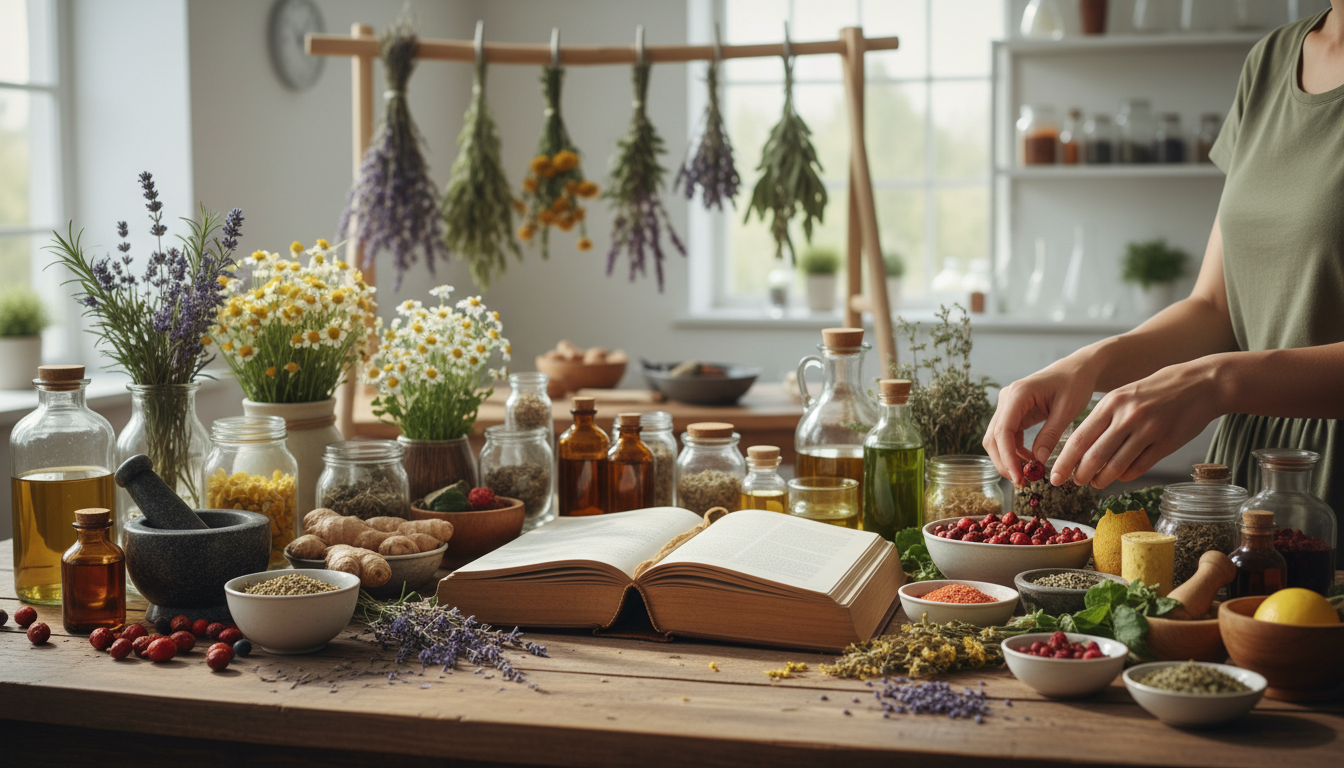
The Complete Herbal Medicine Guide: Evidence-Based Natural Healing for Modern Wellness
TL;DR
This comprehensive herbal medicine guide demonstrates how modern herbalism now integrates scientific validation, FDA regulatory compliance, and advanced quality testing with traditional plant-based healing practices. The guide covers evidence-based approaches to herb selection, safety protocols including herb-drug interactions, and emerging innovations like AI-assisted personalization and genetic-based dosing. Key takeaway: Modern herbal medicine requires following updated FDA regulations, using only scientifically-validated remedies, and working with healthcare providers to ensure safe integration with conventional treatments.
Table of Contents
– Understanding Modern Herbal Medicine
– How Scientific Validation Changes Traditional Practices
– FDA Regulatory Updates and Their Impact
– Navigating New Compliance Requirements
– Evidence-Based Herbal Remedies: What Science Shows
– Clinical Trial Standards for Herbal Research
– Safety Protocols and Risk Assessment
– Updated Guidelines for Vulnerable Populations
– Understanding Herb-Drug Interactions
– Managing Interactions with New Medications
– Quality Sourcing and Contamination Prevention
– Post-Pandemic Supply Chain Adaptations
– Dosage Guidelines and Administration Methods
– Personalized Dosing Based on Genetic Factors
– Climate Change Effects on Medicinal Plants
– Sustainable Harvesting Practices
– Integration with Modern Healthcare
– AI-Assisted Herb Selection and Monitoring
– Herbal Medicine for Post-Viral Conditions
– Evidence for Long-COVID Support
– Building Your Personal Herbal Medicine Practice
– Creating Sustainable Practices
– Frequently Asked Questions
– What makes an herbal medicine guide reliable?
– How do I know if herbal remedies are safe with my medications?
– What’s the difference between traditional and evidence-based herbal medicine?
– How has the FDA changed herbal medicine regulations recently?
– Can genetic testing improve herbal medicine effectiveness?
– How does climate change affect medicinal plant quality?
– What role does AI play in modern herbal medicine?
– How should I store herbal medicines for maximum potency?
—
Herbal medicine continues to evolve as a cornerstone of integrative healthcare, blending ancient wisdom with modern scientific validation. As we navigate an era of increased regulatory oversight, technological integration, and environmental challenges, understanding how to safely and effectively use medicinal plants has never been more crucial. This comprehensive herbal medicine guide empowers you to make informed decisions about natural healing while staying current with regulatory changes, quality standards, and emerging research.
The landscape of herbal medicine has transformed significantly, with new FDA guidelines, advanced quality testing protocols, and innovative delivery methods reshaping how we approach natural healing. Whether you’re exploring herbs for the first time or deepening your existing practice, evidence-based approaches ensure both safety and efficacy in your wellness journey. For comprehensive coverage of natural healing approaches, explore our complete guide to natural remedies which provides broader context for integrating herbal medicine with other natural wellness strategies.
Understanding Modern Herbal Medicine
Modern herbal medicine represents a sophisticated integration of traditional plant-based healing with contemporary scientific research and regulatory oversight. Unlike historical herbalism that relied primarily on empirical knowledge, today’s approach emphasizes clinical validation, standardized preparations, and rigorous safety protocols.
The field has matured to include comprehensive herb-drug interaction databases, genetic-based personalization, and AI-assisted selection algorithms. This evolution reflects growing recognition of herbal medicine’s therapeutic potential while acknowledging the need for evidence-based practices that ensure patient safety and treatment efficacy. Many practitioners now integrate herbal protocols with essential oils for health to create comprehensive aromatherapy and botanical wellness plans.
Clinical herbalism now incorporates pharmacokinetic studies, bioavailability assessments, and quality assurance measures that were previously unavailable. These advances allow practitioners to prescribe natural healing herbs with greater precision and confidence, moving beyond the trial-and-error approaches of earlier eras.
How Scientific Validation Changes Traditional Practices
**Scientific validation has transformed traditional herb
Continue Reading
- The Microbiome Reset: How to Rebuild Your Gut Ecosystem for Optimal Health
- The Complete Meal Prep Guide: Transform Your Health with Strategic Food Planning
- HIIT vs Steady State Cardio: Your Complete Guide to Choosing the Right Cardio Method
- Natural Cold Remedies: Your Complete Evidence-Based Guide to Safe, Effective Relief