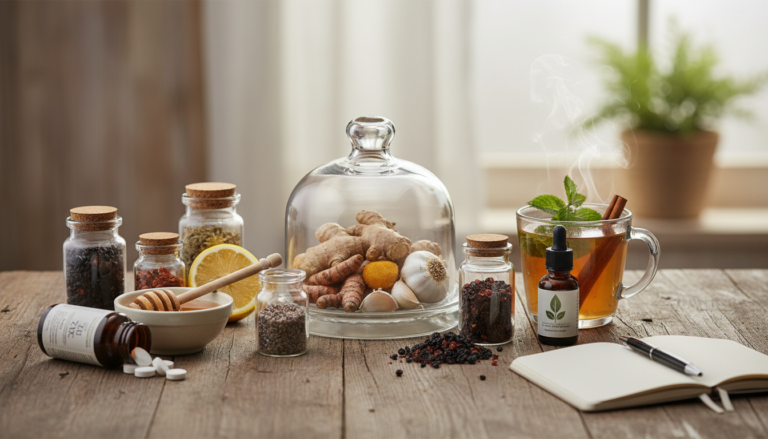
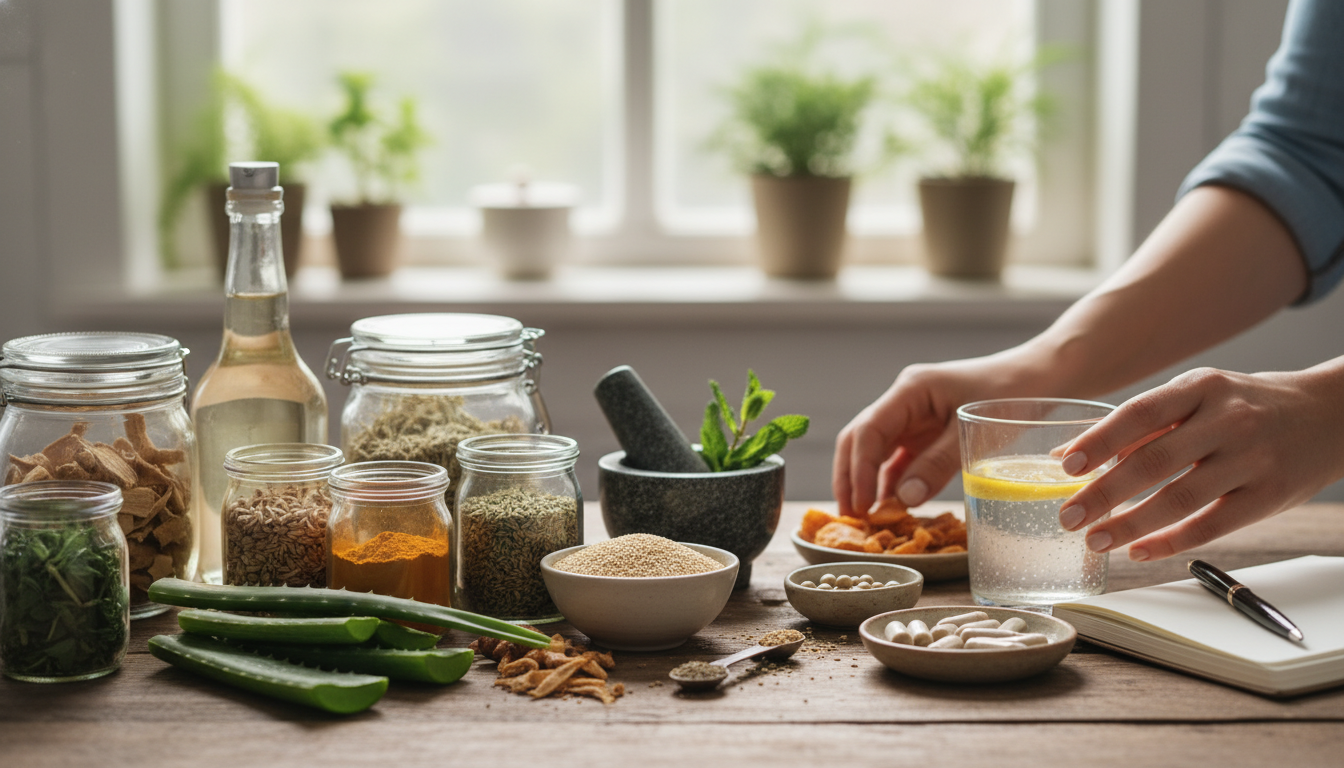
Complete Guide to Natural Digestive Remedies: Evidence-Based Solutions for Optimal Gut Health
TL;DR
Natural digestive remedies offer evidence-based alternatives to conventional medications by working with your body’s natural healing processes to address root causes rather than just masking symptoms. These remedies include herbal aids like ginger, probiotics, digestive enzymes, and DIY herbal teas that support gut microbiome balance and reduce inflammation. The key is understanding proper timing protocols and dosages for specific conditions, as natural approaches work more gradually but provide deeper, more sustainable digestive healing.
Table of Contents
- Understanding Your Digestive System and Natural Healing
- How Natural Remedies Compare to Conventional Treatments
- Top Evidence-Based Natural Digestive Remedies
- Herbal Digestive Aids with Proven Benefits
- Digestive Health Supplements: What Works and When
- Probiotics for Digestion: Choosing the Right Strains
- Home Remedies for Indigestion That Actually Work
- DIY Herbal Tea Blends for Digestive Wellness
- Natural Bloating Relief: Immediate and Long-Term Solutions
- Food Combining Principles for Reduced Bloating
- Digestive Enzymes Benefits and Proper Usage
- Timing Protocols for Maximum Enzyme Effectiveness
- Age-Specific Natural Digestive Remedy Guidelines
- Pediatric Natural Digestive Support
- Natural Stomach Remedies for Common Digestive Issues
- Addressing Gastritis Naturally
- Safety Considerations and Contraindications
- Medication Interactions to Consider
- Quick Relief vs Long-Term Digestive Wellness Strategies
- Creating Your Personal Digestive Wellness Protocol
- What Digestive Issues Respond Best to Natural Remedies?
- How Long Does It Take for Natural Digestive Remedies to Work?
- Can You Take Multiple Natural Digestive Remedies Together?
- Integration with Lifestyle Factors for Optimal Results
- Seasonal Digestive Remedy Recommendations
- Cost-Effective DIY Natural Remedy Preparation
- Budget-Friendly Digestive Wellness Strategies
- Digestive Wellness Tips for Long-Term Success
- Building Sustainable Digestive Health Habits
- Are natural digestive remedies safe for daily use?
- How do I know which natural digestive remedies are right for me?
- Can natural digestive remedies replace prescription medications?
- What’s the difference between taking digestive enzymes and probiotics?
- How long should I try natural digestive remedies before expecting results?
- Are there natural digestive remedies I should avoid during pregnancy?
- Can children use the same natural digestive remedies as adults?
- Do natural digestive remedies interact with medications?
- Continue Reading
Table of Contents
- Understanding Your Digestive System and Natural Healing
- How Natural Remedies Compare to Conventional Treatments
- Top Evidence-Based Natural Digestive Remedies
- Herbal Digestive Aids with Proven Benefits
- Digestive Health Supplements: What Works and When
- Probiotics for Digestion: Choosing the Right Strains
- Home Remedies for Indigestion That Actually Work
- DIY Herbal Tea Blends for Digestive Wellness
- Natural Bloating Relief: Immediate and Long-Term Solutions
- Food Combining Principles for Reduced Bloating
- Digestive Enzymes Benefits and Proper Usage
- Timing Protocols for Maximum Enzyme Effectiveness
- Age-Specific Natural Digestive Remedy Guidelines
- Pediatric Natural Digestive Support
- Natural Stomach Remedies for Common Digestive Issues
- Addressing Gastritis Naturally
- Safety Considerations and Contraindications
- Medication Interactions to Consider
- Quick Relief vs Long-Term Digestive Wellness Strategies
- Creating Your Personal Digestive Wellness Protocol
- What Digestive Issues Respond Best to Natural Remedies?
- How Long Does It Take for Natural Digestive Remedies to Work?
- Can You Take Multiple Natural Digestive Remedies Together?
- Integration with Lifestyle Factors for Optimal Results
- Seasonal Digestive Remedy Recommendations
- Cost-Effective DIY Natural Remedy Preparation
- Budget-Friendly Digestive Wellness Strategies
- Digestive Wellness Tips for Long-Term Success
- Building Sustainable Digestive Health Habits
- Frequently Asked Questions
- Are natural digestive remedies safe for daily use?
- How do I know which natural digestive remedies are right for me?
- Can natural digestive remedies replace prescription medications?
- What’s the difference between taking digestive enzymes and probiotics?
- How long should I try natural digestive remedies before expecting results?
- Are there natural digestive remedies I should avoid during pregnancy?
- Can children use the same natural digestive remedies as adults?
- Do natural digestive remedies interact with medications?
Digestive discomfort affects millions of people worldwide, driving many to seek gentle yet effective solutions beyond conventional medications. Natural digestive remedies offer science-backed alternatives that work with your body’s natural processes to restore digestive balance and promote long-term gut health. These time-tested approaches, combined with modern research insights, provide powerful tools for addressing everything from occasional indigestion to chronic digestive concerns.
Unlike synthetic medications that often mask symptoms, natural approaches target root causes while supporting your body’s inherent healing mechanisms. The key lies in understanding which remedies work best for specific conditions, proper timing protocols, and safe dosage guidelines that maximize benefits while minimizing risks. Just as proper sleep optimization strategies support overall health through natural processes, digestive remedies work best when they align with your body’s natural rhythms and healing capabilities.
Understanding Your Digestive System and Natural Healing
Your digestive system is a complex ecosystem that responds remarkably well to natural interventions when approached with the right knowledge and timing. The gastrointestinal tract houses over 100 trillion microorganisms that play crucial roles in digestion, immunity, and even mental health through the gut-brain connection.
The relationship between digestive health and overall wellness extends far beyond stomach comfort. Research shows that digestive issues can significantly impact sleep quality, energy levels, and mental clarity. This is why addressing digestive concerns naturally often leads to improvements in multiple areas of health simultaneously. For individuals experiencing both digestive issues and sleep problems, understanding how deep sleep affects recovery becomes particularly important, as poor digestion can interfere with restorative sleep cycles.
Chronic stress from work or daily life can severely impact digestive function by altering gut bacteria composition and increasing inflammation. The gut-brain axis means that what affects your mental state directly influences your digestive health. Learning effective workplace stress management techniques can therefore be an essential component of any comprehensive digestive wellness strategy.
How Natural Remedies Compare to Conventional Treatments
Natural digestive remedies work differently than conventional pharmaceuticals by addressing underlying imbalances rather than simply suppressing symptoms. While medications like proton pump inhibitors provide quick acid reduction, they can disrupt nutrient absorption and alter gut bacteria long-term.
Natural approaches focus on supporting digestive function through multiple pathways: enhancing enzyme production, promoting beneficial bacteria growth, reducing inflammation, and improving gut lining integrity. This comprehensive approach often takes longer to show results but provides more sustainable healing without the side effects commonly associated with long-term medication use.
Top Evidence-Based Natural Digestive Remedies
The most effective natural digestive remedies have substantial research backing their use and centuries of traditional application across various cultures. These remedies work through different mechanisms to address specific digestive concerns while supporting overall gut health.
Herbal Digestive Aids with Proven Benefits
Ginger stands as one of the most researched digestive aids, with over 400 studies demonstrating its effectiveness for nausea, motility issues, and inflammation reduction. The active compounds gingerols and shogaols stimulate digestive juices and promote smooth muscle contractions that help food move through the digestive tract efficiently.
Peppermint oil has shown remarkable efficacy for irritable bowel syndrome symptoms, with clinical trials demonstrating significant improvement in abdominal pain, bloating, and bowel irregulararity. The menthol in peppermint provides antispasmodic effects that relax intestinal muscles and reduce cramping.
Fennel seeds contain anethole, a compound that helps prevent gas formation and reduces bloating. Traditional preparation involves chewing 1⁄2 teaspoon of seeds after meals or brewing them into a digestive tea. The carminative properties help expel trapped gas while the anti-inflammatory effects soothe irritated digestive tissues.
Digestive Health Supplements: What Works and When
Strategic supplementation can provide targeted support for specific digestive challenges when whole foods and herbal remedies need additional reinforcement. The key lies in choosing high-quality supplements with proven efficacy and understanding proper timing and dosage protocols.
Supplementation becomes particularly valuable for individuals with diagnosed deficiencies, those recovering from illness, or people dealing with chronic digestive conditions that impair nutrient absorption. However, supplements work best as part of a comprehensive approach that includes dietary modifications and lifestyle improvements.
Probiotics for Digestion: Choosing the Right Strains
Probiotic effectiveness depends heavily on strain selection, with different bacterial species providing distinct benefits for various digestive concerns. Lactobacillus acidophilus and Bifidobacterium bifidum excel at improving lactose digestion and reducing antibiotic-associated diarrhea.
For individuals with irritable bowel syndrome, specific strains like Bifidobacterium infantis 35624 have shown superior results in clinical trials. The key is choosing multi-strain formulas with at least 10-50 billion CFUs and ensuring proper storage to maintain bacterial viability.
Home Remedies for Indigestion That Actually Work
Simple home remedies often provide the most immediate and accessible relief for common digestive complaints when prepared and used correctly. These time-tested solutions use readily available ingredients and can be prepared fresh for maximum potency.
DIY Herbal Tea Blends for Digestive Wellness
Creating custom herbal tea blends allows you to target specific digestive issues while enjoying the therapeutic ritual of tea preparation. A classic post-meal digestive blend combines equal parts chamomile flowers, lemon balm leaves, and fennel seeds, steeped for 7-10 minutes in hot water.
For acid reflux relief, try combining 1 teaspoon each of marshmallow root, slippery elm bark, and chamomile flowers. The mucilaginous properties of marshmallow root and slippery elm create a protective coating for irritated esophageal and stomach tissues.
Natural Bloating Relief: Immediate and Long-Term Solutions
Bloating relief requires both immediate interventions for acute discomfort and long-term strategies to prevent recurrence by addressing underlying causes. Understanding the different types of bloating helps determine which approaches will be most effective for your specific situation.
Food Combining Principles for Reduced Bloating
Proper food combining can significantly reduce bloating by optimizing digestive enzyme efficiency and minimizing fermentation. The basic principle involves eating fruits alone or 30 minutes before other foods, as their rapid digestion can cause fermentation when delayed by slower-digesting foods.
Avoiding the combination of concentrated proteins and starches at the same meal can reduce digestive burden and gas production. For example, eating fish with vegetables rather than fish with potatoes allows for more efficient protein digestion and reduces the likelihood of bacterial fermentation in the large intestine.
Digestive Enzymes Benefits and Proper Usage
Digestive enzymes can provide significant relief for individuals with enzyme deficiencies or compromised digestive function, but proper selection and timing are crucial for effectiveness. These supplements work by supplementing your body’s natural enzyme production to improve food breakdown and nutrient absorption.
Timing Protocols for Maximum Enzyme Effectiveness
Taking digestive enzymes 15-20 minutes before meals allows them to be present in the stomach when food arrives, maximizing their effectiveness. Different enzymes work optimally at different pH levels, which is why comprehensive formulas include enzymes active in both acidic stomach conditions and alkaline intestinal environments.
For individuals with severe enzyme deficiencies, splitting doses between pre-meal and mid-meal timing can provide more consistent digestive support throughout the eating process. This approach is particularly beneficial for large meals or foods that historically cause digestive distress.
Age-Specific Natural Digestive Remedy Guidelines
Different life stages require modified approaches to natural digestive remedies due to varying enzyme production, medication interactions, and sensitivity levels. Understanding these differences ensures safe and effective remedy selection across all ages.
Pediatric Natural Digestive Support
Children’s digestive systems are still developing, making them both more sensitive to remedies and more responsive to gentle interventions. Chamomile tea, diluted to 1⁄4 adult strength, provides safe anti-inflammatory and antispasmodic benefits for children over 6 months old.
Probiotic foods like plain yogurt or kefir often work better than supplements for children, providing beneficial bacteria in a food matrix that’s easier for developing digestive systems to process. Always consult with a pediatric healthcare provider before introducing new remedies to children under 2 years old.
Natural Stomach Remedies for Common Digestive Issues
Specific stomach issues require targeted natural approaches that address the underlying mechanisms causing symptoms while providing symptomatic relief. Understanding these mechanisms helps select the most appropriate remedies for lasting improvement.
Addressing Gastritis Naturally
Gastritis responds well to anti-inflammatory herbs and stomach-protective compounds that help heal inflamed gastric mucosa. Slippery elm bark creates a protective mucilaginous coating that shields irritated stomach lining while providing nutrients that support tissue repair.
Licorice root (DGL form) stimulates mucus production and has anti-inflammatory properties that help reduce gastric irritation. Taking 1-2 DGL tablets 20 minutes before meals provides protective benefits without the blood pressure concerns associated with regular licorice.
Safety Considerations and Contraindications
Natural doesn’t automatically mean safe for everyone, and understanding contraindications and potential interactions is essential for responsible remedy use. Certain herbs and supplements can interact with medications or exacerbate existing health conditions.
Medication Interactions to Consider
Ginger can enhance the effects of blood-thinning medications, potentially increasing bleeding risk at doses above 4 grams daily. Individuals taking warfarin or other anticoagulants should consult their healthcare provider before using therapeutic doses of ginger supplements.
Peppermint can reduce the effectiveness of acid-suppressing medications and may worsen gastroesophageal reflux in some individuals due to its lower esophageal sphincter relaxing effects. Those with hiatal hernias should use peppermint cautiously and monitor symptoms carefully.
Quick Relief vs Long-Term Digestive Wellness Strategies
Effective digestive wellness requires balancing immediate symptom relief with strategies that address root causes for lasting improvement. While quick remedies provide necessary comfort during acute episodes, long-term success depends on comprehensive lifestyle and dietary modifications.
Creating Your Personal Digestive Wellness Protocol
Developing a personalized protocol involves identifying your specific triggers, most problematic symptoms, and the remedies that provide consistent relief. Keep a detailed symptom and remedy journal for 2-4 weeks to identify patterns and effective interventions.
Your protocol should include immediate relief options (like ginger tea for nausea), daily maintenance strategies (like probiotic foods), and preventive measures (like proper meal timing and stress management). Regular evaluation and adjustment ensure your protocol remains effective as your digestive health improves.
What Digestive Issues Respond Best to Natural Remedies?
Functional digestive issues without structural damage typically respond excellently to natural remedies. Conditions like irritable bowel syndrome, functional dyspepsia, and mild gastritis often improve significantly with targeted herbal and dietary interventions.
Acute digestive upset from dietary indiscretion, travel, or stress also responds well to natural approaches. However, chronic conditions with underlying pathology may require longer treatment periods and potentially conventional medical support alongside natural remedies.
How Long Does It Take for Natural Digestive Remedies to Work?
Acute symptom relief from remedies like ginger for nausea or peppermint for cramping can occur within 15-30 minutes. However, deeper healing of chronic digestive issues typically requires 4-12 weeks of consistent remedy use to see substantial improvement.
Probiotic interventions may show initial improvements in 1-2 weeks, but optimal gut microbiome rebalancing can take 3-6 months. Herbal remedies for inflammation and tissue healing generally require 6-8 weeks of consistent use to demonstrate full therapeutic benefits.
Can You Take Multiple Natural Digestive Remedies Together?
Many natural digestive remedies work synergistically and can be safely combined when used appropriately. For example, combining probiotics with prebiotic fibers enhances beneficial bacteria colonization, while pairing anti-inflammatory herbs with protective mucilaginous herbs provides comprehensive gastric support.
However, avoid combining remedies with similar mechanisms of action in high doses, as this can lead to excessive effects. Start with single remedies to assess individual responses before creating combination protocols.
Integration with Lifestyle Factors for Optimal Results
Natural digestive remedies achieve their full potential when integrated with supportive lifestyle practices that address the multiple factors influencing digestive health. This holistic approach ensures that remedies work within an environment that promotes healing and prevents symptom recurrence.
Regular physical activity plays a crucial role in digestive health by stimulating gut motility and reducing inflammation. Even gentle exercise routines focused on mind-body wellness can significantly improve digestive function when practiced consistently.
Seasonal Digestive Remedy Recommendations
Seasonal adjustments to your digestive remedy protocol account for changing dietary patterns, stress levels, and environmental factors that influence gut health. Spring detoxification with gentle herbs like dandelion root supports liver function after heavy winter foods.
Summer’s abundance of fresh fruits and vegetables may reduce the need for digestive enzymes while increasing hydration needs. Fall preparation with warming spices like cinnamon and cardamom helps transition digestive function toward winter’s heavier, cooked foods.
Cost-Effective DIY Natural Remedy Preparation
Creating your own natural digestive remedies at home provides significant cost savings while ensuring freshness and quality control over your therapeutic preparations. Basic preparation techniques allow you to customize remedies for your specific needs and preferences.
Budget-Friendly Digestive Wellness Strategies
Bulk purchasing of dried herbs from reputable suppliers dramatically reduces per-dose costs compared to pre-made supplements. A pound of organic chamomile flowers can provide hundreds of therapeutic tea servings at a fraction of commercial tea bag costs.
Growing your own digestive herbs like peppermint, lemon balm, and fennel provides the freshest possible remedies while creating a sustainable source of therapeutic plants. Even apartment dwellers can grow these herbs in containers with basic care.
Digestive Wellness Tips for Long-Term Success
Sustainable digestive wellness requires consistent daily practices that support optimal gut function rather than relying solely on remedies for symptom management. These foundational habits create the ideal environment for natural remedies to work effectively.
Building Sustainable Digestive Health Habits
Establishing regular meal timing helps regulate digestive enzyme production and gut bacteria activity. Eating your largest meal when digestive fire is strongest (typically mid-day) and having lighter evening meals supports natural circadian digestive rhythms.
Mindful eating practices, including thorough chewing and eating without distractions, significantly improve digestion by initiating proper enzymatic cascades and reducing stress hormone interference with digestive processes.
Frequently Asked Questions
Are natural digestive remedies safe for daily use?
Most gentle natural digestive remedies like chamomile tea, ginger, and probiotic foods are safe for daily use when consumed in reasonable amounts. However, stronger herbal remedies may be better used cyclically or under professional guidance to prevent tolerance or unwanted effects.
How do I know which natural digestive remedies are right for me?
Start by identifying your primary digestive symptoms and their triggers. Begin with single, well-researched remedies like ginger for nausea or peppermint for cramping, and monitor your response for 1-2 weeks before adding additional interventions.
Can natural digestive remedies replace prescription medications?
While natural remedies can be highly effective for many digestive issues, they should not replace prescribed medications without medical supervision. Work with healthcare providers to develop an integrated approach that may gradually reduce medication dependence as natural interventions prove effective.
What’s the difference between taking digestive enzymes and probiotics?
Digestive enzymes help break down food for better absorption and are typically taken with meals. Probiotics introduce beneficial bacteria to improve gut microbiome balance and are usually taken on an empty stomach. Both serve different but complementary functions in digestive health.
How long should I try natural digestive remedies before expecting results?
Acute symptoms may improve within hours to days, while chronic digestive issues typically require 4-8 weeks of consistent use to see significant improvement. Give natural remedies adequate time to work, as they often provide deeper healing than quick symptomatic relief.
Are there natural digestive remedies I should avoid during pregnancy?
Pregnant women should avoid strong herbal remedies like large amounts of ginger (over 1 gram daily), senna, and other stimulating herbs. Safe options include small amounts of ginger for morning sickness and probiotic foods, but always consult with healthcare providers first.
Can children use the same natural digestive remedies as adults?
Children require modified doses and specific remedy selection based on their age and development. Generally, use 1⁄4 to 1⁄2 adult doses for children and focus on gentle remedies like diluted chamomile tea and probiotic foods rather than concentrated supplements.
Do natural digestive remedies interact with medications?
Yes, natural remedies can interact with medications. Ginger affects blood clotting, St. John’s Wort impacts multiple drug metabolisms, and even seemingly innocent remedies can alter medication absorption. Always inform healthcare providers about all natural remedies you’re using.
Continue Reading
Similar Posts
The Complete Natural Remedies Guide: Science-Backed Healing for Modern Wellness
TL;DR This natural remedies guide emphasizes science-backed healing approaches that combine traditional wisdom with modern clinical validation, covering evidence-based treatments, safety protocols, and age-specific guidelines. The guide distinguishes between credible natural remedies supported by peer-reviewed research versus unsubstantiated claims, highlighting that traditional use alone isn’t sufficient evidence for modern therapeutic recommendations. Key takeaway: Always evaluate…
Top 7 Yoga Poses for Stress Relief: A 2026 Beginner’s Guide
Introduction Stress is an inevitable part of modern life, especially in 2026, when the pace of life continues to accelerate. Fortunately, yoga offers a holistic approach to managing stress. This beginner’s guide will introduce you to the top 7 yoga poses specifically designed to help you relieve stress and promote relaxation. Why Yoga for Stress…
Essential Preventive Health Tips: A Complete Guide for Modern Living
Preventive health focuses on maintaining wellness and preventing disease before it occurs, rather than treating illness after symptoms appear. This proactive approach emphasizes that small, consistent daily actions compound over time to create significant health benefits. Whether you’re a remote worker, managing a chronic condition, or working within budget constraints, effective preventive health tips are…
The Great Hydration Myth: Why Eight Glasses a Day Is Failing Americans in 2026
Last summer, 34-year-old marathon runner Sarah Chen collapsed during a training run in Phoenix, not from dehydration as bystanders assumed, but from water intoxication. She had religiously followed the “eight glasses a day” rule, drinking even more during Arizona’s record-breaking heat wave. Meanwhile, office worker Miguel Santos in Seattle struggled with chronic fatigue and kidney…
5 Functional Medicine Platforms Transforming How Americans Access Root-Cause Healthcare
Discover legitimate telehealth platforms making functional medicine accessible nationwide through technology, testing, and evidence-based approaches to root-cause healthcare.
Natural Cold Remedies: Your Complete Evidence-Based Guide to Safe, Effective Relief
TL;DR Natural cold remedies like zinc, elderberry, echinacea, and vitamin C are backed by scientific research and can reduce cold duration by 1-3 days while decreasing symptom severity by up to 50%. The key to effectiveness is starting treatment within 24 hours of symptom onset and using evidence-based dosages rather than suppressing your body’s natural…