The Science of Cold Water Therapy: A Complete Guide to Cold Plunging Benefits, Protocols, and Safety
The Science of Cold Water Therapy: A Complete Guide to Cold Plunging Benefits, Protocols, and Safety
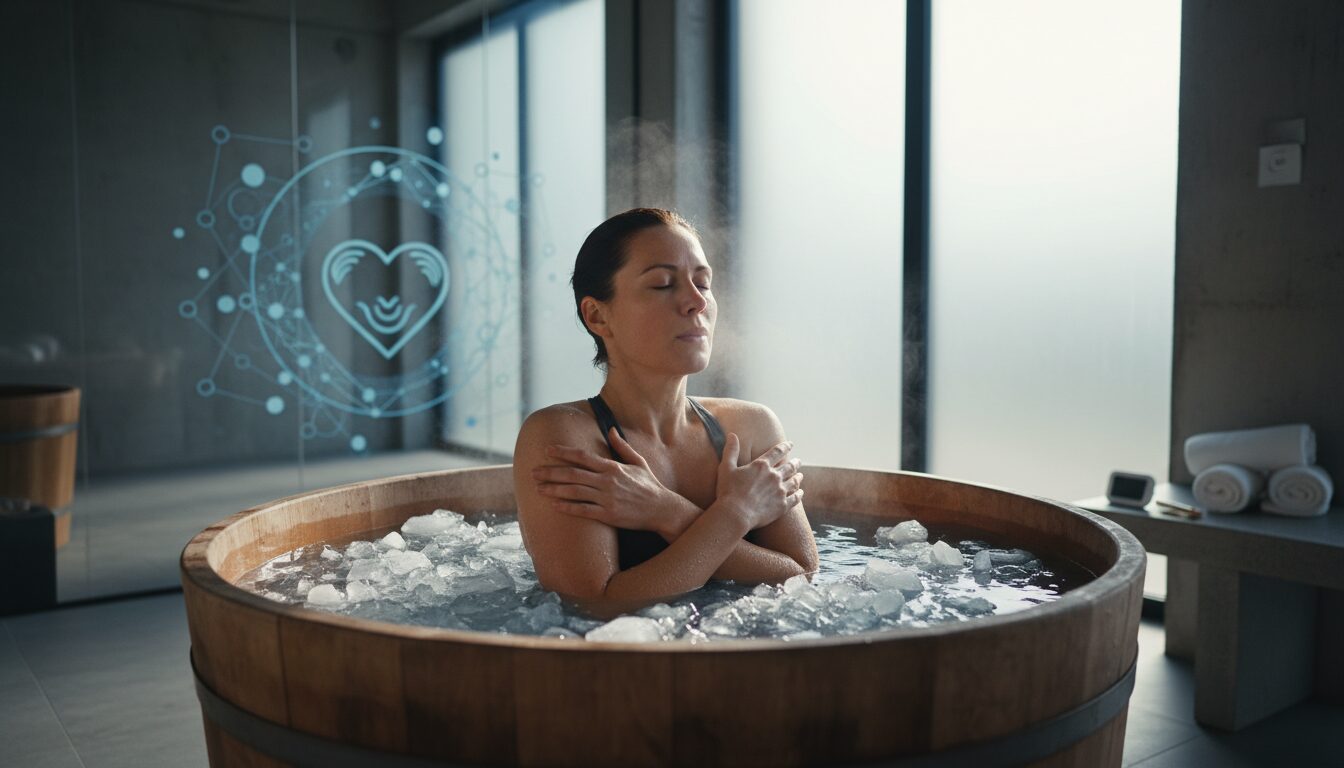
When you immerse your body in cold water, a cascade of physiological responses begins within seconds. Your blood vessels constrict, your heart rate spikes, and your nervous system shifts into a state of controlled stress. These responses—once merely survival mechanisms—are now being harnessed for potential health benefits ranging from reduced inflammation to improved mental resilience.
Cold water therapy, particularly through deliberate cold plunging, has transitioned from athletic recovery tool to wellness practice embraced by millions. But beneath the social media hype and celebrity endorsements lies a growing body of scientific research that reveals both promising benefits and important limitations.
Understanding Cold Water Immersion: Physiological Mechanisms
The Body’s Immediate Response
Cold water immersion triggers what researchers call the “cold shock response.” According to a comprehensive review published in the International Journal of Circumpolar Health, this response includes:
- Vasoconstriction: Blood vessels near the skin surface constrict within 7-10 seconds, redirecting blood flow to vital organs
- Increased heart rate: Can rise by 20-30 beats per minute immediately upon immersion
- Hyperventilation: Breathing rate can increase 5-10 fold in the first 30 seconds
- Hormonal release: Surge in norepinephrine, cortisol, and dopamine
Adaptive Responses Over Time
Regular cold exposure leads to physiological adaptations. A study in the European Journal of Applied Physiology found that repeated cold water immersion over 4-6 weeks resulted in:
- Reduced cold shock response intensity
- Improved thermoregulation
- Enhanced metabolic efficiency
- Increased brown adipose tissue activation
Evidence-Based Benefits: What Research Actually Shows
Recovery and Inflammation
The most robust evidence for cold water therapy exists in the realm of exercise recovery. A meta-analysis of 52 studies published in Sports Medicine found that cold water immersion:
- Reduced muscle soreness by 15-20% compared to passive recovery
- Decreased circulating creatine kinase (a marker of muscle damage) by up to 24%
- Most effective at water temperatures between 11-15°C (52-59°F)
- Optimal duration appears to be 11-15 minutes
However, the same research noted that while cold therapy reduces soreness, it may also blunt muscle protein synthesis when used immediately after strength training.
Mental Health and Mood
Emerging research suggests cold water immersion may have antidepressant effects. A case study published in BMJ Case Reports followed a 24-year-old woman who used cold water swimming to manage treatment-resistant depression, showing significant symptom reduction.
The proposed mechanisms include:
– Increased norepinephrine release (up to 530% increase according to some studies)
– Enhanced dopaminergic pathways
– Activation of the sympathetic nervous system followed by parasympathetic rebound
Immune Function
Research on cold exposure and immunity shows mixed results. A study from the Netherlands published in PNAS examined practitioners of the Wim Hof Method (combining cold exposure with breathing techniques) and found:
- Reduced inflammatory markers during induced endotoxemia
- Enhanced ability to voluntarily influence the autonomic nervous system
- Decreased flu-like symptoms compared to control group
However, researchers caution that these results involved multiple interventions beyond cold exposure alone.
Metabolic Effects
Cold exposure activates brown adipose tissue (BAT), which burns calories to generate heat. Research from the Journal of Clinical Investigation indicates:
- BAT activation can increase energy expenditure by 15-20%
- Regular cold exposure may improve insulin sensitivity
- Effects are modest and unlikely to produce significant weight loss alone
Safe Implementation Protocols
Temperature and Duration Guidelines
Based on current research consensus:
For Recovery:
– Temperature: 10-15°C (50-59°F)
– Duration: 10-15 minutes
– Frequency: Post-exercise, 3-4 times per week
For General Wellness:
– Temperature: 12-15°C (54-59°F)
– Duration: 2-6 minutes for beginners, up to 10 minutes for adapted individuals
– Frequency: 3-5 times per week
For Mental Health Benefits:
– Temperature: 10-14°C (50-57°F)
– Duration: 1-3 minutes initially, building to 5-10 minutes
– Frequency: 4-7 times per week for mood benefits
Progressive Adaptation Protocol
Weeks 1-2:
– Start with 30-60 second exposures
– Water temperature 15-17°C (59-63°F)
– Focus on breathing control
Weeks 3-4:
– Increase to 2-3 minutes
– Decrease temperature to 12-15°C (54-59°F)
– 3-4 sessions per week
Weeks 5-8:
– Build to 5-10 minutes
– Temperature 10-12°C (50-54°F)
– Daily practice if desired
Safety Considerations and Contraindications
According to guidelines from the American Heart Association, cold water immersion should be avoided or approached with extreme caution by individuals with:
- Cardiovascular disease
- Uncontrolled hypertension
- Peripheral vascular disease
- Cold urticaria (cold-induced hives)
- Raynaud’s phenomenon
- Pregnancy (consult healthcare provider)
Critical Safety Rules:
1. Never cold plunge alone
2. Avoid alcohol before or during cold exposure
3. Enter water slowly to prevent shock
4. Exit immediately if experiencing:
– Confusion or disorientation
– Uncontrollable shivering
– Numbness in extremities
– Chest pain or pressure
Common Myths vs. Scientific Reality
Myth: Cold plunging boosts testosterone
Reality: While acute cold exposure can temporarily elevate testosterone, no long-term studies support sustained increases. A study in Endocrine Connections showed temporary spikes but no chronic elevation.
Myth: Colder is always better
Reality: Extreme cold (below 10°C/50°F) increases risks without additional benefits for most purposes. The therapeutic window appears to be 10-15°C.
Myth: Daily cold plunging is necessary
Reality: Research suggests 3-4 sessions per week provides most benefits while allowing adequate recovery.
Practical Implementation Strategies
Home Setup Options
- Dedicated cold plunge tub: $3,000-$15,000
- Chest freezer conversion: $400-$800
- Stock tank setup: $300-$600
- Cold showers: Free but less effective
Measuring Progress
Track these markers to assess adaptation:
– Time to comfortable breathing (decreases with adaptation)
– Heart rate recovery time
– Subjective comfort ratings
– Sleep quality scores
– Mood and energy assessments
Integration with Other Practices
Cold therapy combines well with:
– Sauna use (contrast therapy)
– Breathwork practices
– Morning routine optimization
– Post-workout recovery protocols
Future Research Directions
Ongoing studies are investigating:
– Optimal protocols for specific conditions
– Gender differences in cold adaptation
– Long-term effects on cardiovascular health
– Combination therapies for mental health
The field of cold water therapy research remains active, with new insights emerging regularly. What’s clear is that while cold plunging offers genuine benefits, it’s not a panacea. The key lies in understanding the science, respecting the risks, and implementing protocols that align with individual health goals and circumstances.
For those ready to explore cold water therapy, start conservatively, track your response, and remember that consistency trumps intensity. The goal isn’t to endure maximum discomfort but to harness the body’s adaptive responses safely and effectively.