The Science-Based Guide to Rebuilding Your Gut Microbiome: From Damage to Thriving Ecosystem
Your gut harbors approximately 100 trillion microorganisms—roughly 10 times more bacterial cells than human cells in your entire body. When this intricate ecosystem becomes disrupted, the effects ripple through virtually every system: immune dysfunction, mood disorders, metabolic issues, and chronic inflammation often trace back to an imbalanced microbiome. Understanding how to systematically rebuild this internal ecosystem requires more than adding a daily probiotic to your routine.
Understanding Microbiome Damage: Signs and Causes
A compromised gut microbiome rarely announces itself with a single, obvious symptom. Instead, dysbiosis—the technical term for microbial imbalance—manifests through a constellation of issues that many people accept as normal.
Common Signs of Dysbiosis
Digestive symptoms often appear first: bloating after meals, irregular bowel movements, excessive gas, or food sensitivities that seem to develop suddenly. But the effects extend far beyond your digestive tract. Research published in Nature Reviews Neuroscience demonstrates clear connections between gut dysbiosis and mood disorders, including anxiety and depression. Skin conditions like eczema, acne, and rosacea frequently correlate with gut imbalances, as do autoimmune flare-ups and chronic fatigue.
Primary Causes of Microbiome Disruption
Antibiotic exposure represents the most dramatic disruptor. A single course of broad-spectrum antibiotics can alter gut composition for months or even years. A study in mBio found that some bacterial species failed to recover even 6 months after antibiotic treatment ended.
Dietary factors shape your microbiome daily. Processed foods high in emulsifiers and artificial sweeteners actively reduce microbial diversity. Low fiber intake starves beneficial bacteria of their primary fuel source, while excessive sugar feeds potentially harmful species like Candida.
Chronic stress alters gut permeability and bacterial composition through the gut-brain axis. Cortisol and other stress hormones directly impact intestinal barrier function and create an environment favoring pathogenic bacteria over beneficial species.
Environmental toxins, including pesticides, heavy metals, and endocrine disruptors, accumulate in gut tissue and selectively damage beneficial bacterial populations while often leaving harmful species unaffected.
The Assessment Phase: Mapping Your Microbial Landscape
Before embarking on a rebuilding protocol, establishing a baseline helps track progress and identify specific imbalances requiring targeted intervention.
Clinical Testing Options
Comprehensive stool analysis remains the gold standard for microbiome assessment. These tests map bacterial diversity, identify pathogenic overgrowth, measure inflammation markers, and assess digestive function. Companies offering clinical-grade testing include Genova Diagnostics, Doctor’s Data, and GI-MAP by Diagnostic Solutions Laboratory.
Organic acid testing provides indirect assessment by measuring bacterial metabolites in urine. This approach can identify fungal overgrowth, bacterial imbalances, and nutritional deficiencies affecting microbial health.
Self-Assessment Tools
While less precise than laboratory testing, careful symptom tracking offers valuable insights. Document digestive symptoms, energy levels, mood patterns, skin changes, and immune function over several weeks. Note correlations with dietary changes, stress levels, and other variables.
The Bristol Stool Chart provides a standardized method for tracking bowel movement consistency—a key indicator of gut health. Optimal microbiome function typically produces Type 3 or 4 stools consistently.
Phase 1: Creating the Foundation (Weeks 1-4)
Remove Inflammatory Triggers
Successful microbiome restoration begins with eliminating factors that perpetuate dysbiosis. This “remove” phase targets:
- Processed foods containing artificial preservatives, colors, and emulsifiers
- Added sugars exceeding 25 grams daily for women or 37 grams for men
- Potential allergens if food sensitivities are suspected (consider an elimination diet)
- Unnecessary medications like PPIs or NSAIDs (consult your healthcare provider)
- Environmental toxins through choosing organic produce for the “Dirty Dozen” items
Repair Gut Barrier Function
Intestinal permeability—often called “leaky gut”—must be addressed for successful recolonization. Research from Frontiers in Immunology identifies key nutrients for barrier repair:
L-glutamine (5-10 grams daily) serves as the primary fuel for intestinal cell regeneration. Zinc carnosine (75-150mg daily) specifically supports tight junction integrity. Collagen peptides (10-20 grams daily) provide amino acids essential for intestinal lining repair.
Bone broth, consumed daily during this phase, naturally provides many of these compounds along with gut-soothing gelatin.
Phase 2: Reinoculation Strategies (Weeks 5-12)
Beyond Basic Probiotics
While probiotic supplements have their place, rebuilding a diverse microbiome requires a more comprehensive approach. The American Gastroenterological Association’s 2020 guidelines34729-6/fulltext) emphasize strain-specific benefits rather than generic probiotic use.
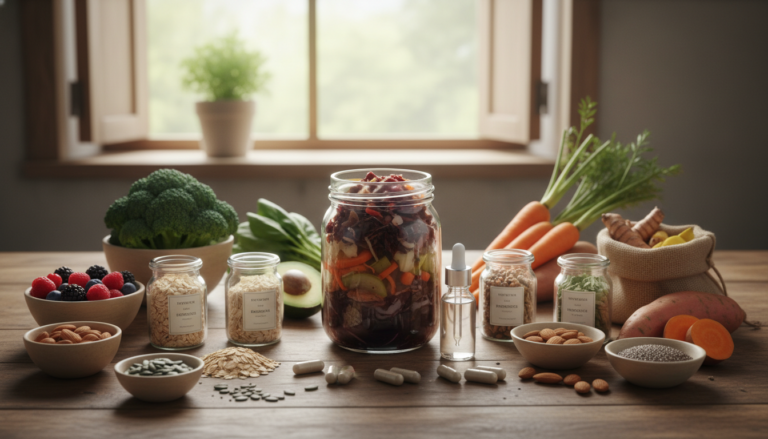
Fermented foods introduce living bacteria along with their metabolites—compounds produced during fermentation that independently benefit gut health. Aim for 2-3 servings daily from varied sources:
– Sauerkraut and kimchi (start with 1-2 tablespoons)
– Kefir (dairy or coconut-based)
– Miso paste (in warm, not boiling water)
– Raw apple cider vinegar (1-2 tablespoons in water)
Soil-based organisms (SBOs) like Bacillus species offer unique benefits. These spore-forming bacteria survive stomach acid better than traditional probiotics and help restore evolutionary microbial exposures lost in modern life.
Strategic Prebiotic Introduction
Prebiotics feed beneficial bacteria but must be introduced gradually to avoid digestive distress. Start with small amounts of:
– Inulin-rich foods: Jerusalem artichokes, garlic, onions (cooked initially)
– Resistant starch: Cooled potatoes, green bananas, overnight oats
– Polyphenol sources: Green tea, dark berries, pomegranate
Increase serving sizes by 25% weekly while monitoring tolerance.
Phase 3: Optimization and Maintenance (Weeks 13+)
Diversification Strategies
Microbial diversity correlates strongly with health outcomes. A landmark study in Science found that traditional populations maintain 50% greater bacterial diversity than industrialized populations.
To maximize diversity:
– Rotate fiber sources weekly—aim for 30+ different plant foods per week
– Include ancient grains like teff, amaranth, and buckwheat
– Experiment with international ferments beyond standard options
– Spend time in nature for environmental bacterial exposure
Lifestyle Factors for Long-term Success
Sleep quality directly impacts microbiome composition. Poor sleep reduces beneficial Bacteroidetes while increasing Firmicutes associated with metabolic dysfunction. Prioritize 7-9 hours of quality sleep nightly.
Exercise enhances microbial diversity, particularly outdoor activities exposing you to varied environments. Research in Gut Microbes shows endurance exercise specifically increases butyrate-producing bacteria.
Stress management through meditation, yoga, or other practices helps maintain the improvements you’ve achieved. The vagus nerve connecting brain and gut responds positively to these interventions.
Troubleshooting Common Challenges
Die-off Reactions
As pathogenic bacteria die, they release endotoxins potentially causing temporary symptom flares. Support detoxification with:
– Activated charcoal (away from supplements and medications)
– Increased water intake (half your body weight in ounces)
– Epsom salt baths (2-3 weekly)
– Gentle movement like walking or yoga
Plateau Periods
Progress rarely follows a linear path. If improvements stall:
– Reassess dietary compliance
– Consider food sensitivity testing
– Evaluate stress and sleep patterns
– Potentially add targeted antimicrobials under professional guidance
Measuring Success
Beyond symptom improvement, objective markers indicate microbiome recovery:
– Increased stool bacterial diversity on follow-up testing
– Improved intestinal barrier function via lactulose/mannitol testing
– Normalized inflammatory markers like calprotectin or lactoferrin
– Enhanced short-chain fatty acid production, particularly butyrate
Most individuals notice initial improvements within 2-4 weeks, with significant changes by 12 weeks. Complete microbiome remodeling typically requires 6-12 months of consistent effort.
The Path Forward
Rebuilding your gut microbiome represents an investment in long-term health that extends far beyond digestive comfort. The strategies outlined here—systematic removal of disruptors, targeted repair, strategic reinoculation, and lifestyle optimization—provide a framework for creating lasting change. Remember that each person’s microbiome is unique; what works brilliantly for one individual may require modification for another. Stay curious about your body’s responses, track your progress systematically, and don’t hesitate to work with a qualified practitioner for personalized guidance.
The journey from dysbiosis to a thriving microbial ecosystem demands patience and consistency, but the rewards—enhanced immunity, stable mood, clear skin, abundant energy, and resilient health—make the effort worthwhile. Your gut microbiome evolved over millennia to support your wellbeing. With the right approach, you can restore this ancient alliance and experience the vitality that comes from internal balance.