Natural Constipation Remedies for Fast Relief
Table of Contents
- Understanding Constipation and Why Natural Remedies Work
- Immediate Natural Relief Techniques
- How to Relieve Constipation on the Toilet Immediately
- Acupressure Points for Quick Relief
- Foods That Help With Constipation Immediately
- Quick-Acting Fiber Foods
- How to Poop Instantly Naturally With Food Combinations
- Herbal Teas and Brewing Methods
- Gentle Herbal Options
- Stronger Herbal Remedies
- Natural Alternatives to Miralax
- Psyllium Husk Protocol
- Magnesium Supplementation
- Probiotic Support
- Old Fashioned Remedies That Still Work
- Morning Hydration Ritual
- Castor Oil Protocol
- Traditional Abdominal Massage
- Special Considerations for Pregnancy
- Safe Natural Remedies During Pregnancy
- Remedies to Avoid During Pregnancy
- Natural Ways to Relieve Constipation Quickly for Seniors
- Age-Appropriate Modifications
- Senior-Specific Natural Remedies
- Creating Your Natural Constipation Relief Plan
- Daily Prevention Protocol
- Escalation Strategy
- Your Questions Answered
- How long do natural constipation remedies take to work?
- Are natural remedies safer than over-the-counter laxatives?
- Can I use multiple natural remedies at the same time?
- What should I do if natural remedies don’t work after a week?
- How can I prevent constipation from recurring?
- Are there any natural remedies I should avoid?
At a Glance: Natural constipation remedies provide effective alternatives to over-the-counter medications, using fiber-rich foods, hydration, movement, and traditional techniques to promote healthy bowel function. These evidence-based approaches can deliver relief within hours to days while supporting long-term digestive health.
What You’ll Learn:
1. Immediate natural techniques for constipation relief
2. Foods that promote bowel movements within hours
3. Herbal teas and their proper preparation methods
4. Acupressure points and massage techniques
5. Natural alternatives to Miralax with dosage guidance
6. Special considerations for pregnancy and seniors
7. Prevention strategies for long-term digestive health
Understanding Constipation and Why Natural Remedies Work
Constipation affects approximately 16% of adults worldwide, with natural remedies offering effective relief by addressing the root causes rather than just symptoms. Unlike pharmaceutical laxatives, natural constipation remedies work by supporting your body’s natural digestive processes through hydration, fiber, movement, and gentle stimulation.
Your digestive system relies on adequate water, fiber, and muscular contractions to move waste through the intestines. When any of these elements are disrupted, constipation occurs. Natural approaches restore these functions without creating dependency or disrupting your gut’s natural rhythm. These natural digestive remedies work synergistically with your body’s existing mechanisms to promote healthy elimination.
The National Institute of Diabetes and Digestive and Kidney Diseases defines constipation as having fewer than three bowel movements per week or experiencing difficulty passing stools. Natural remedies address both frequency and ease of elimination.
Immediate Natural Relief Techniques
For immediate constipation relief at home, proper positioning, breathing techniques, and gentle abdominal massage can stimulate bowel movements within 15-30 minutes. These methods work by optimizing the mechanics of elimination and activating your body’s natural reflexes.
How to Relieve Constipation on the Toilet Immediately
Proper toilet positioning dramatically improves elimination efficiency. Place a small stool under your feet to elevate your knees above your hips, mimicking the natural squatting position. This alignment straightens the anorectal angle, allowing stool to pass more easily.
Breathe deeply and avoid straining. Instead, take slow, deep breaths and allow your abdominal muscles to relax. Gentle bearing down should feel like you’re blowing up a balloon, not forcing against resistance.
Acupressure Points for Quick Relief
Two key acupressure points can stimulate bowel movements naturally:
- Large Intestine 4 (LI4): Located in the web between your thumb and index finger. Apply firm pressure for 1-2 minutes on each hand.
- Stomach 36 (ST36): Found four fingers below the kneecap, one finger width to the outside of the shinbone. Apply steady pressure for 2-3 minutes on each leg.
These pressure points work by stimulating nerve pathways connected to digestive function. The technique draws from traditional Chinese medicine principles and can be enhanced when combined with other evidence-based natural healing approaches.
Foods That Help With Constipation Immediately
High-fiber fruits, vegetables, and specific food combinations can stimulate bowel movements within 2-6 hours by adding bulk to stool and promoting peristalsis. The key is choosing foods that provide both soluble and insoluble fiber while maintaining adequate hydration.
Quick-Acting Fiber Foods
Certain foods are particularly effective for rapid constipation relief:
Prunes: Contains sorbitol, a natural sugar alcohol that draws water into the intestines. Eat 4-6 prunes or drink 4 ounces of prune juice for best results.
Kiwi fruit: Studies show eating 2 kiwis daily can increase bowel movement frequency within 24 hours. The fruit contains actinidin enzyme and high fiber content.
Apples: The pectin in apples, especially with skin, provides soluble fiber that helps form well-formed stools while promoting movement.
Incorporating these foods as part of an anti-inflammatory diet approach can provide additional digestive benefits while addressing constipation naturally.
How to Poop Instantly Naturally With Food Combinations
Specific food combinations can accelerate relief:
Morning Power Combo: Mix 1 tablespoon ground flaxseed with 1 cup warm water and 1 tablespoon lemon juice. Drink immediately followed by another cup of plain water.
Prune-Apple Smoothie: Blend 4 prunes, 1 apple with skin, 1 cup water, and 1 tablespoon chia seeds. The fiber and natural sugars work synergistically.
Herbal Teas and Brewing Methods
Herbal teas provide gentle, effective constipation relief through natural compounds that stimulate digestive motility and increase fluid intake. Different herbs work through various mechanisms, from gentle fiber expansion to mild laxative effects.
Gentle Herbal Options
For mild constipation or sensitive individuals, these gentle options work well:
Dandelion Root Tea: Brew 1 teaspoon dried root in 1 cup boiling water for 10-15 minutes. The bitter compounds stimulate digestive juices and liver function.
Ginger Tea: Fresh ginger (1-inch piece) steeped for 10 minutes promotes gastric motility and reduces inflammation.
These gentle herbs align with broader natural immune support strategies by reducing digestive inflammation while promoting healthy gut function.
Stronger Herbal Remedies
Senna Leaf Tea: Use only 1/2 teaspoon dried leaves steeped for 8-10 minutes. Senna contains anthraquinones that stimulate colon contractions. Use sparingly and not for more than 7 days.
Cascara Sagrada: Prepare as directed on package (typically 1/4 teaspoon dried bark). This should be reserved for stubborn cases and used under guidance.
Natural Alternatives to Miralax
Natural alternatives to Miralax provide similar osmotic effects using magnesium, fiber supplements, and probiotics without synthetic polymers. These options work by drawing water into the intestines or supporting healthy gut bacteria.
Psyllium Husk Protocol
Start with 1 teaspoon psyllium husk mixed in 8 ounces of water, taken 1-3 times daily. Always follow with an additional 8 ounces of water. Psyllium works by forming a gel that adds bulk and moisture to stool.
Increase gradually to avoid gas and bloating. The fiber expands significantly, so adequate water intake is crucial for effectiveness and safety.
Magnesium Supplementation
Magnesium oxide or magnesium hydroxide draws water into the intestines through osmotic action. Start with 200-400mg daily, preferably at bedtime. Adjust dosage based on response – you want soft, formed stools, not diarrhea.
Magnesium citrate is better absorbed and gentler on the stomach than oxide forms. It also supports muscle function, including the smooth muscles of the digestive tract.
Probiotic Support
Healthy gut bacteria support regular bowel movements by:
– Producing short-chain fatty acids that stimulate colon motility
– Supporting immune function in the gut
– Helping maintain proper pH balance
Choose a probiotic with at least 10 billion CFUs containing Lactobacillus and Bifidobacterium strains. These beneficial bacteria work as part of comprehensive gut microbiome rebuilding strategies for long-term digestive health.
Old Fashioned Remedies That Still Work
Traditional constipation remedies remain effective because they address fundamental physiological needs: hydration, stimulation, and mechanical assistance. These time-tested approaches have been validated by modern understanding of digestive physiology.
Morning Hydration Ritual
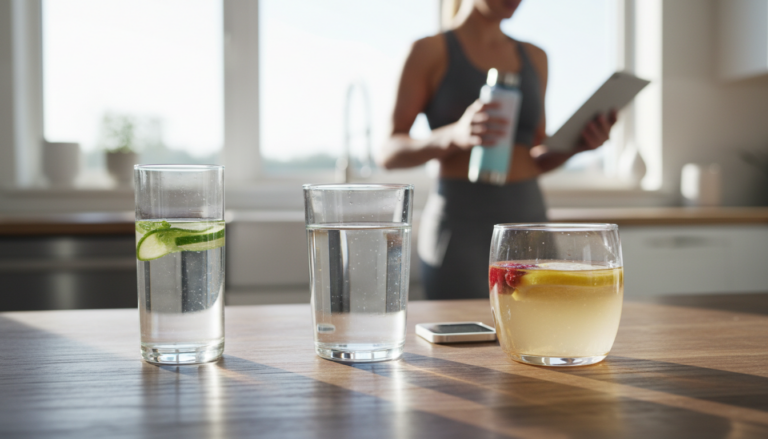
Upon waking, drink 16-20 ounces of warm water with lemon juice from half a lemon. This stimulates the gastrocolic reflex – the natural urge to have a bowel movement after eating or drinking.
The warm temperature and citric acid enhance the effect by stimulating digestive juices and promoting peristalsis. Follow this with light movement like walking or stretching.
Castor Oil Protocol
Castor oil remains one of the most effective natural laxatives for severe constipation. Take 1-2 teaspoons on an empty stomach, followed by orange juice to mask the taste. Effects typically occur within 2-6 hours.
Use castor oil sparingly – no more than once per week – as it can cause cramping and electrolyte imbalance with overuse. Pregnant women should avoid castor oil entirely.
Traditional Abdominal Massage
Lie on your back and use gentle circular motions following the path of the large intestine:
1. Start at the lower right abdomen (ascending colon)
2. Move across the upper abdomen below the ribs (transverse colon)
3. Move down the left side (descending colon)
4. Repeat for 5-10 minutes
This mechanical stimulation helps move trapped gas and stool through the digestive tract while promoting blood flow to the area.