How to Create a Personalized Wellness Routine for 2026: Your Comprehensive Guide
Introduction
Creating a personalized wellness routine in 2026 involves assessing your current health status, setting SMART goals, and developing a balanced plan that addresses physical activity, nutrition, and mental health. This tailored approach ensures your routine aligns with your unique needs and lifestyle, making it sustainable for long-term success. Personalization is essential because wellness is no longer just a trend but a lifestyle choice that significantly enhances quality of life.
Table of Contents
- Introduction
- Understanding Wellness in 2026
- What Makes Personalization Essential for Wellness Success?
- Step 1: Assess Your Current Wellness
- Self-Reflection
- Health Assessments
- Why Should You Prioritize Mental Health Assessments?
- Step 2: Set Clear Goals
- SMART Goals
- How Do You Make Wellness Goals Realistic and Sustainable?
- Step 3: Create a Balanced Routine
- Physical Activity
- What Are the Best Types of Exercise for a Personalized Wellness Routine?
- Nutrition
- Mental Wellness
- What Are the Most Effective Mental Wellness Practices for 2026?
- Step 4: Incorporate Technology
- Can Technology Really Improve Your Wellness Routine?
- Step 5: Monitor and Adjust Your Routine
- Regular Check-Ins
- Stay Flexible
- How Often Should You Evaluate Your Wellness Progress?
- Conclusion
- What is a personalized wellness routine and why do I need one in 2026?
- How long does it take to create an effective personalized wellness routine?
- What are the essential components of a wellness routine for 2026?
- How do I balance wellness goals with a busy work schedule?
- Can I create a personalized wellness routine without expensive gym memberships or equipment?
- What role does mental health play in a personalized wellness routine?
- How do I know if my personalized wellness routine is working?
- What should I do if I lose motivation in my wellness routine?
- Continue Reading
Table of Contents
- Introduction
- Understanding Wellness in 2026
- What Makes Personalization Essential for Wellness Success?
- Step 1: Assess Your Current Wellness
- Self-Reflection
- Health Assessments
- Why Should You Prioritize Mental Health Assessments?
- Step 2: Set Clear Goals
- SMART Goals
- How Do You Make Wellness Goals Realistic and Sustainable?
- Step 3: Create a Balanced Routine
- Physical Activity
- What Are the Best Types of Exercise for a Personalized Wellness Routine?
- Nutrition
- Mental Wellness
- What Are the Most Effective Mental Wellness Practices for 2026?
- Step 4: Incorporate Technology
- Can Technology Really Improve Your Wellness Routine?
- Step 5: Monitor and Adjust Your Routine
- Regular Check-Ins
- Stay Flexible
- How Often Should You Evaluate Your Wellness Progress?
- Conclusion
- Frequently Asked Questions
- What is a personalized wellness routine and why do I need one in 2026?
- How long does it take to create an effective personalized wellness routine?
- What are the essential components of a wellness routine for 2026?
- How do I balance wellness goals with a busy work schedule?
- Can I create a personalized wellness routine without expensive gym memberships or equipment?
- What role does mental health play in a personalized wellness routine?
- How do I know if my personalized wellness routine is working?
- What should I do if I lose motivation in my wellness routine?
With the ongoing emphasis on mental health, nutrition, and physical activity, developing a routine that fits your individual circumstances is crucial for achieving balance and well-being. This guide will walk you through actionable steps to create a wellness plan that resonates with your personal goals and preferences.
Understanding Wellness in 2026
Wellness in 2026 encompasses physical, emotional, social, spiritual, and environmental health dimensions, with an integrated approach that recognizes mental health as equally important as physical health. Each component plays a vital role in your overall well-being, and the modern perspective emphasizes holistic balance rather than isolated health improvements. This comprehensive framework moves beyond traditional fitness-only approaches to address complete life wellness.
The focus has shifted towards recognizing interconnectedness between different wellness aspects. This means addressing stress management alongside fitness routines, or considering how social connections impact your mental state. The integrated approach of 2026 acknowledges that true wellness requires attention to multiple life areas simultaneously.
What Makes Personalization Essential for Wellness Success?
Personalization is essential because individual differences in biology, lifestyle, schedule, and preferences mean generic programs often fail. By assessing your individual needs, preferences, and lifestyle, you can create a plan that resonates with you, making it easier to maintain long-term. Generic wellness programs don’t account for personal circumstances, schedules, or motivations, which explains their high abandonment rates.
Step 1: Assess Your Current Wellness
Before creating your personalized routine, conduct a comprehensive evaluation of your current physical, mental, and emotional health status through self-reflection and professional assessments. This baseline understanding helps you identify areas needing improvement and sets the foundation for meaningful goal-setting. Taking stock of where you stand allows you to create realistic, targeted wellness objectives.
Self-Reflection
Start by asking yourself:
– What are my wellness goals for 2026?
– Which areas of my life feel out of balance?
– Am I experiencing stress or anxiety?
– How is my physical health?
Health Assessments
Consider conducting a comprehensive health assessment that includes:
– A physical check-up
– Mental health evaluation
– Nutritional analysis
Why Should You Prioritize Mental Health Assessments?
Mental health assessments are crucial because they identify stress patterns, anxiety triggers, and emotional challenges that impact overall wellness. Early identification allows for timely intervention through therapy, mindfulness practices, or lifestyle adjustments. Mental wellness directly affects physical health, making this evaluation foundational to your personalized routine. Professional assessments provide objective insights you might miss through self-reflection alone.
Step 2: Set Clear Goals
Use the SMART criteria (Specific, Measurable, Achievable, Relevant, Time-bound) to create structured wellness goals that align with your personal vision and current health status. Clear, well-defined goals provide direction and motivation while making progress trackable. Actionable objectives prevent overwhelm and increase the likelihood of long-term adherence.
SMART Goals
Utilize the SMART criteria to ensure your goals are structured effectively. For example:
– Specific: I want to exercise for 30 minutes, five times a week.
– Measurable: I will track my workouts using a fitness app.
– Achievable: I’ll start with three workouts per week and gradually increase.
– Relevant: This goal aligns with my desire to improve my physical health.
– Time-bound: I will achieve this by the end of March 2026.
For more guidance on structuring your goals, check out our comprehensive plan on how to set and achieve your health goals for 2026.
How Do You Make Wellness Goals Realistic and Sustainable?
Make goals realistic by starting small and building gradually based on your current fitness level and schedule. Break larger objectives into smaller milestones, celebrate progress along the way, and adjust targets when life circumstances change. Sustainability comes from choosing activities you genuinely enjoy rather than forcing yourself into routines that feel like punishment. Setting achievable targets prevents burnout and maintains long-term motivation.
Step 3: Create a Balanced Routine
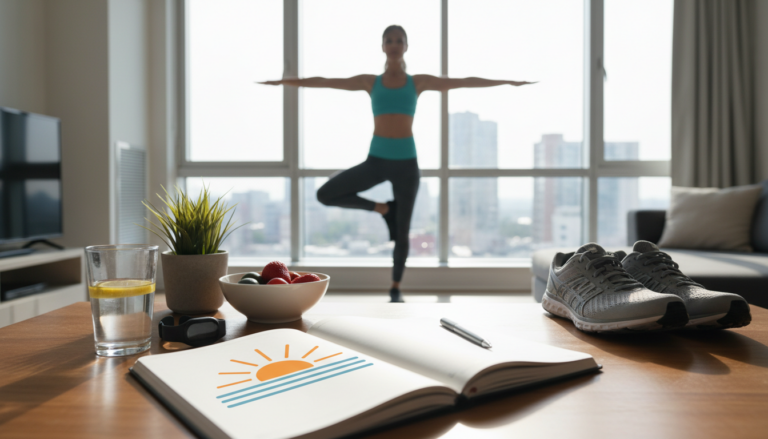
A well-rounded wellness routine integrates physical activity, proper nutrition, and mental wellness practices to support comprehensive health across all dimensions. This balanced approach ensures no single aspect of wellness is neglected while others are overemphasized. The synergy between these components creates sustainable, holistic improvements in quality of life.
Physical Activity
Incorporate a mix of cardiovascular, strength, flexibility, and balance exercises into your routine, aiming for at least 150 minutes of moderate aerobic activity each week as recommended by the CDC. Variety prevents boredom, reduces injury risk, and ensures comprehensive fitness development. Regular physical activity improves both physical and mental health outcomes.
Consider activities like:
– Walking or jogging
– Yoga or Pilates
– Strength training with weights
– Dancing or swimming
If you’re looking for ways to stay active while working remotely, explore our guide on how to stay active while working from home in 2026.
What Are the Best Types of Exercise for a Personalized Wellness Routine?
The best exercises combine activities you enjoy with movements that address your specific health goals and physical capabilities. Effective routines typically include cardiovascular exercise for heart health, strength training for muscle and bone health, and flexibility work for mobility. Balance exercises become increasingly important as you age. Choose activities that fit your schedule and preferences to ensure consistency.
Nutrition
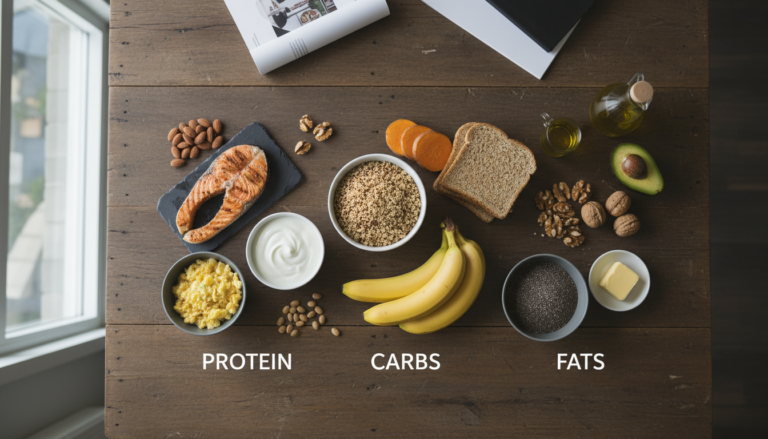
Focus on eating a balanced diet rich in whole foods, fruits, vegetables, lean proteins, and healthy fats while staying hydrated and limiting processed foods and added sugars. Nutritional awareness in 2026 emphasizes food quality over calorie counting, with growing interest in plant-based diets and intermittent fasting for those whose preferences align. Proper nutrition fuels physical activity and supports mental clarity.
Key nutritional priorities include:
– Eating whole foods and minimizing processed options
– Drinking plenty of water throughout the day
– Exploring dietary approaches like plant-based eating if they suit your lifestyle
– Building a sustainable relationship with food
To deepen your understanding of nutrition, consider learning about mindful eating practices to build a healthier relationship with food.
Mental Wellness
Prioritize mental health through mindfulness practices such as meditation or deep-breathing exercises, journaling to process thoughts and emotions, and seeking therapy or counseling if needed. These techniques help process emotions, reduce stress, improve focus, and build emotional resilience. Regular practice creates lasting positive changes in mental health and overall life satisfaction.
Journaling can be particularly powerful for mental clarity—learn more about the benefits of journaling for mental clarity with our step-by-step guide.
What Are the Most Effective Mental Wellness Practices for 2026?
The most effective mental wellness practices include mindfulness meditation, journaling, deep-breathing exercises, and professional counseling when needed. These techniques help process emotions, reduce stress, improve focus, and build emotional resilience. Daily meditation for as little as 10 minutes shows measurable benefits, while journaling helps identify thought patterns and emotional triggers. Professional support remains invaluable for deeper mental health challenges.
Step 4: Incorporate Technology
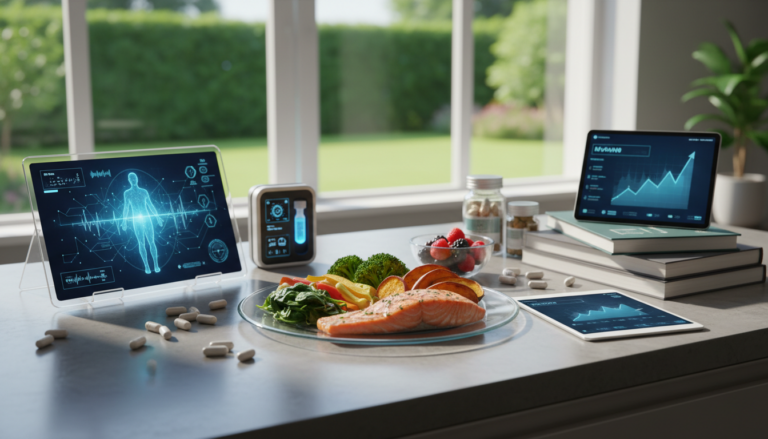
Embrace fitness apps, wearable devices, and online wellness communities to track progress, monitor health metrics, and maintain motivation in your 2026 wellness routine. Technology provides real-time data on workouts, nutrition, sleep patterns, and activity levels, making it easier to identify trends and adjust your approach. Digital tools also offer accountability through reminders, goal tracking, and community support.
Consider using:
– Fitness apps to track your workouts and nutrition
– Wearable devices to monitor heart rate, sleep patterns, and activity levels
– Online communities for support and motivation
Can Technology Really Improve Your Wellness Routine?
Yes, technology significantly enhances wellness routines by providing objective data, personalized recommendations, and consistent accountability. Wearables and apps transform abstract goals into measurable metrics, while online communities offer social support that increases long-term adherence. The key is choosing tools that integrate seamlessly into your lifestyle rather than adding stress. Research shows users of fitness tracking technology maintain routines 30% longer than those without technological support.
Step 5: Monitor and Adjust Your Routine
Creating a wellness routine requires ongoing monitoring through regular check-ins and flexible adjustments based on your evolving needs, progress, and life circumstances. What works initially may need modification as your fitness improves, schedule changes, or goals shift. Continuous evaluation prevents stagnation and ensures your routine remains effective and enjoyable.
Regular Check-Ins
Schedule regular check-ins to assess your progress. Ask yourself:
– Am I meeting my goals?
– How do I feel physically and emotionally?
– What adjustments can I make to improve my routine?
Stay Flexible
Life changes, and so should your wellness routine. Be open to modifying your goals and activities based on your evolving needs, preferences, and circumstances.
How Often Should You Evaluate Your Wellness Progress?
Evaluate your wellness progress weekly for activity tracking and monthly for comprehensive goal assessment. Weekly check-ins identify immediate adjustments needed, while monthly reviews reveal broader patterns and inform strategic changes. Quarterly evaluations help you reassess long-term goals and ensure your routine continues aligning with your wellness vision. This multi-level approach balances immediate responsiveness with long-term strategic planning.
Conclusion
A personalized wellness routine in 2026 leads to significant improvements in overall health and happiness by combining self-assessment, clear goal-setting, balanced activities, technology integration, and regular progress monitoring. This comprehensive approach creates a sustainable lifestyle that promotes long-term well-being rather than temporary fixes. Start today by assessing your current wellness status and setting your first SMART goal.
By following these steps and remaining committed to your unique wellness journey, you can foster meaningful changes that enhance every dimension of your health. Take the first step towards a healthier, happier you with a routine designed specifically for your needs and aspirations.
Frequently Asked Questions
What is a personalized wellness routine and why do I need one in 2026?
A personalized wellness routine is a customized plan that addresses your unique physical, mental, and emotional health needs through tailored activities, nutrition, and self-care practices. You need one in 2026 because generic wellness programs often fail to account for individual circumstances, schedules, and preferences. Personalization increases adherence and delivers better results by aligning with your specific goals and lifestyle, making wellness sustainable rather than temporary.
How long does it take to create an effective personalized wellness routine?
Creating an effective personalized wellness routine typically takes 2-4 weeks of experimentation and adjustment. The initial assessment and goal-setting can be completed in a few days, but finding the right combination of activities requires trial periods. Most people see sustainable patterns emerge within a month, though refinement continues as circumstances and goals evolve. Patience during this formation period is essential for long-term success.
What are the essential components of a wellness routine for 2026?
The essential components include regular physical activity (150+ minutes weekly), balanced nutrition with whole foods, mental wellness practices like meditation or journaling, adequate sleep (7-9 hours), and stress management techniques. A comprehensive 2026 wellness routine addresses physical, mental, emotional, and social health dimensions simultaneously. Technology integration through apps and wearables helps track progress and maintain accountability across all these areas.
How do I balance wellness goals with a busy work schedule?
Balance wellness goals with a busy schedule by integrating activities into your existing routine rather than adding separate time blocks. Start with micro-habits like 10-minute morning stretches, walking meetings, or desk yoga, then gradually expand as these become automatic. Prioritize high-impact activities that deliver maximum benefit in minimal time, and use lunch breaks or commute time strategically for wellness practices.
Can I create a personalized wellness routine without expensive gym memberships or equipment?
Yes, you can create an effective personalized wellness routine using free or low-cost resources like bodyweight exercises, walking, running, yoga videos, and meditation apps. The most successful wellness routines focus on consistency and personalization rather than expensive equipment or facilities. Home workouts, outdoor activities, free fitness apps, and community resources provide everything needed for comprehensive wellness without financial barriers.
What role does mental health play in a personalized wellness routine?
Mental health is a foundational component of any personalized wellness routine, equally important as physical health in the integrated 2026 approach. Mental wellness practices like mindfulness, journaling, and therapy directly impact physical health outcomes, stress levels, sleep quality, and overall life satisfaction. Neglecting mental health undermines physical fitness efforts, while addressing it enhances motivation, consistency, and enjoyment of your wellness journey.
How do I know if my personalized wellness routine is working?
You know your routine is working when you experience improved energy levels, better sleep quality, enhanced mood, progress toward fitness goals, and find the routine sustainable and enjoyable. Track both objective metrics (weight, strength, endurance, sleep hours) and subjective feelings (stress levels, happiness, motivation) through weekly and monthly check-ins. Successful routines feel manageable rather than overwhelming and produce gradual, consistent improvements over 4-8 weeks.
What should I do if I lose motivation in my wellness routine?
If you lose motivation, revisit your original goals to reconnect with your purpose, introduce variety by trying new activities, seek support from online communities or workout partners, and celebrate small wins rather than focusing only on major milestones. Breaking routines into smaller, more achievable steps and temporarily reducing intensity can rebuild momentum without abandoning progress entirely. Remember that motivation fluctuates naturally; building habits and systems reduces dependence on constant motivation.
Continue Reading
Similar Posts
The Best Diet Plan 2026: 12 Science-Backed Approaches for Personalized Nutrition Success
TL;DR The best diet plan for 2026 moves beyond one-size-fits-all approaches by using AI, genetic testing, continuous glucose monitors, and microbiome analysis to create truly personalized nutrition strategies that adapt in real-time to your body’s responses. Twelve science-backed approaches including nutritional genomics, biomarker tracking, and circadian-aligned meal timing allow individuals to optimize their diet based…
The Complete Guide to Personalized Nutrition Plans: AI, Genetics, and Metabolic Optimization
TL;DR Personalized nutrition plans use AI technology, genetic testing, and metabolic analysis to create eating strategies tailored to your unique biology, with research showing 400% variation in individual food responses based on genetic and metabolic factors. Unlike traditional one-size-fits-all diets, these approaches analyze DNA variants, biomarkers, and real-time metabolic responses to optimize nutrient needs, meal…
The Complete Macronutrients Guide: Your Path to Optimal Nutrition Balance
TL;DR This comprehensive macronutrients guide explains how proteins, carbohydrates, and fats serve as the foundation for optimal health, with each macronutrient playing distinct roles in energy production, tissue repair, and hormone regulation. The guide covers how to calculate personalized macronutrient ratios based on individual goals, age, and activity level, while addressing common myths and providing…
How to Read Nutrition Labels: Your Complete Guide to Making Informed Food Choices
TL;DR Learning how to read nutrition labels effectively involves understanding serving sizes, daily value percentages, ingredient lists, and hidden sugars to make informed food choices. The key is to focus on serving size calculations first since all nutritional information relates to this portion, then check for added sugars and sodium content while being aware that…
How to Set and Achieve Your Health Goals for 2026: A Comprehensive Plan
Introduction Achieving your health goals in 2026 requires a systematic approach combining SMART goal-setting, detailed action planning, and consistent motivation strategies. By following a structured framework that breaks down ambitious objectives into manageable tasks and building accountability systems, you can transform health aspirations into measurable results. This comprehensive guide provides actionable strategies to help you…