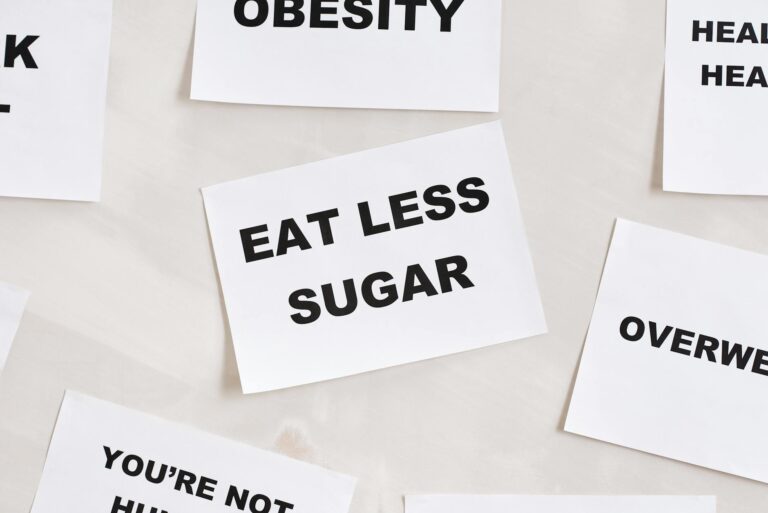

Why 2025’s Fitness Failures Are Reshaping How We Think
The collective fitness reckoning of 2025 is forcing a fundamental shift in how we define success, sustainability, and self-worth in health culture. Across gyms, wellness apps, and online communities, people are abandoning the all-or-nothing mentality that dominated fitness for decades and replacing it with something far more nuanced. The surge in visible “fitness failures” ‑ people openly sharing burnout, injury, weight regain, and abandoned routines ‑ is not a sign that society is getting lazier. It is a sign that we are finally getting smarter about what movement, nutrition, and recovery actually mean for long-term human health.
The Old Fitness Paradigm Was Already Breaking
Before 2025, the dominant fitness narrative ran on a simple, punishing loop: set an aggressive goal, grind toward it without complaint, and if you quit, the failure was a character flaw rather than a systems problem. This model was borrowed heavily from elite sport and transplanted awkwardly onto everyday people with jobs, families, chronic conditions, and ordinary human limitations.
The fitness industry built enormous revenue on this cycle. Gym memberships would spike every January, plateau by February, and quietly expire by spring ‑ a pattern so predictable it became its own cultural joke. According to research published by the American Journal of Preventive Medicine, membership cancellations and non-attendance patterns suggest that a significant portion of gym members rarely use their memberships after the first few weeks. The industry quietly depended on this attrition.
What changed in 2025 is that the conversation moved into the open. Social media algorithms, which once rewarded only transformation success stories, began surfacing more authentic content. Creators started sharing what happened after the transformation ‑ the regain, the burnout, the injury that came from overtraining. Audiences responded with overwhelming relief. Suddenly, failure had an audience, and that audience was enormous.
What “Fitness Failure” Actually Looks Like in 2025
The term “fitness failure” covers a surprisingly wide range of experiences, and understanding this spectrum is key to grasping why the current moment feels so significant.
- Overtraining burnout: People who pushed too hard, too fast and found their motivation and physical capacity collapsing simultaneously.
- Injury from unsupervised intensity: The rise of high-intensity online programs without proper onboarding left many people with preventable injuries.
- Dietary rebound: Restrictive eating plans that produced short-term results followed by metabolic and psychological backlash.
- Mental health toll: The obsessive tracking, body-checking, and comparison culture that turned fitness into a source of anxiety rather than wellbeing.
- Abandoned apps and programs: The graveyard of fitness subscriptions that sounded appealing but did not fit real life schedules or preferences.
Each of these failure modes points to a design flaw in the programs themselves, not a willpower flaw in the people attempting them. This reframing is perhaps the most important shift happening in 2025.
The Science That Was Always There, But Ignored
Exercise science and behavioral psychology have known for years that sustainable fitness requires progressive overload, adequate recovery, intrinsic motivation, and alignment with individual lifestyle factors. The mainstream fitness industry largely ignored this research in favor of messaging that sold urgency and intensity.
The American College of Sports Medicine has long emphasized that gradual, consistent moderate activity produces better long-term health outcomes than sporadic intense exercise for most adults. Self-determination theory, developed by researchers Deci and Ryan, identifies autonomy, competence, and relatedness as the psychological needs that drive lasting motivation ‑ none of which are addressed by prescriptive, one-size-fits-all fitness programs.
What 2025 is doing is not discovering new science. It is finally letting the existing science catch up to popular culture. Coaches, trainers, and program designers who dismissed behavioral research as soft or secondary are now watching their clients succeed at dramatically higher rates when those principles are applied.
How the Conversation Has Shifted on Social Media
The wellness content landscape in 2025 looks meaningfully different from just two or three years ago. The polished before-and-after photo is not gone, but it shares space with a much richer genre of honest fitness content.
Creators who share struggles, setbacks, and slow progress are finding loyal, engaged audiences. The comment sections on these posts are often flooded with people expressing genuine gratitude ‑ not just passive likes, but active responses from people who feel seen for the first time by fitness content. This audience signal is reshaping what brands and coaches choose to create.
Platforms like TikTok’s wellness community have seen a notable rise in content tagged around concepts like “exercise snacks,” minimum effective dose training, and joyful movement ‑ all of which prioritize consistency over intensity and accessibility over aspiration. These terms reflect a genuine cultural pivot, not just a trend.
The fitness influencer who posts daily extreme workouts is now frequently questioned in comments by followers asking about recovery, sustainability, and whether that model is realistic. This critical engagement from audiences is new, and it is healthy.
Comparing the Old Model to the Emerging Approach
To understand why this shift matters, it helps to compare the assumptions and outcomes of the traditional fitness model against the evidence-informed, sustainable approach gaining ground in 2025.
| Dimension | Traditional Fitness Model | 2025 Emerging Approach |
|---|---|---|
| Primary motivation | Appearance-based, external validation | Energy, function, mental health, longevity |
| Intensity philosophy | More is better, push through pain | Minimum effective dose, progressive overload |
| Recovery view | Rest days seen as laziness | Recovery recognized as part of training |
| Failure response | Personal weakness, restart from zero | Data point for adjusting the plan |
| Nutrition framing | Restriction, clean vs. dirty food labels | Adequacy, flexibility, food relationship |
| Program personalization | Generic plans sold at scale | Lifestyle-matched, adaptive programming |
| Success metric | Scale weight, aesthetic change | Consistency, functional capacity, mood |
| Mental health integration | Largely ignored or seen as separate | Central to program design |
The contrast is stark, and the old model does not look sensible when laid out this way. Yet it dominated fitness culture for decades because it was enormously profitable and because the people it worked for ‑ a minority with specific genetics, circumstances, and resources ‑ were the ones with platforms.
The Role of Chronic Stress and Modern Life
One of the most important factors driving fitness failures that rarely gets discussed honestly is the chronic stress load carried by most adults. Exercise is itself a physiological stressor. When layered on top of sleep deprivation, work pressure, financial strain, and relational difficulty, intense training does not build resilience ‑ it accelerates breakdown.
Research from the National Institutes of Health consistently shows that chronic stress impairs recovery, disrupts hormonal balance, and undermines the motivation systems needed to sustain behavioral change. A training program that ignores the total stress load of the person following it is designed to fail, regardless of how well it is constructed in isolation.
The 2025 conversation is increasingly acknowledging this reality. Coaches and program designers are starting to ask questions they never asked before: How is your sleep? What is your work stress like right now? Are you in a season of life where aggressive training is actually appropriate? These questions reflect a more complete model of human physiology and behavior.
Tools like WHOOP’s recovery tracking and similar wearable technology have made this concrete for many users by quantifying recovery and showing clearly how life stress affects physical readiness. When people can see that their body is not ready for intense training because of a bad week of sleep, the decision to take a recovery walk instead of a hard interval session becomes logical rather than lazy.
Mental Health and the Rebranding of Rest
Perhaps the most profound element of this cultural shift is the growing recognition that rest, gentleness, and low-intensity movement are not consolation prizes for people who cannot handle “real” fitness. They are legitimate, evidence-supported tools for long-term health.
Walking, which was long dismissed in fitness culture as “not enough,” has been repeatedly validated by research as one of the most powerful and sustainable health behaviors available. The Mayo Clinic’s guidance on walking outlines its benefits for cardiovascular health, mood, joint function, and metabolic health ‑ benefits that compound over years of consistency in ways that sporadic intense training simply cannot match.
The rebranding of rest and gentle movement as intelligent strategy rather than weakness is changing how people relate to fitness overall. When rest is positioned as part of the program rather than a betrayal of it, the psychological relationship with exercise shifts from adversarial to collaborative. People stop dreading their workouts and start protecting them.
This mental health dimension is also reshaping the conversation around exercise for people with anxiety and depression. Moving away from prescriptive intensity toward autonomy-supportive, flexible movement frameworks is proving more effective for this population ‑ and for the general population more than anyone anticipated.
What the Fitness Industry Is Actually Changing
Market forces follow attention, and attention in 2025 has shifted decisively toward sustainability, personalization, and honesty. Several shifts are visible across the industry.
Fitness apps are investing in adaptive programming that responds to user feedback, fatigue signals, and schedule changes rather than delivering a static weekly plan regardless of circumstances. Platforms like Future’s personalized coaching app are built on the premise that a human coach who understands your life will produce better outcomes than an algorithm that does not.
Gym culture is diversifying. The CrossFit-style intensity box is still there, but it now shares the block with recovery studios, mobility-focused practices, and low-impact fitness formats that were previously considered niche. The clientele for these gentler options is growing faster than traditional high-intensity categories in many markets.
Nutrition coaching is moving away from calorie restriction as the primary framework and toward building a healthier relationship with food, improving dietary quality, and addressing the psychological drivers of eating behavior. This approach is slower and less dramatic than a restrictive diet, but it produces outcomes that last beyond the first three months.
Frequently Asked Questions
Why do so many people fail at fitness goals even when they are genuinely motivated?
Motivation alone is rarely sufficient for sustained behavior change. Research in behavioral psychology consistently shows that environment design, habit architecture, realistic goal-setting, and social support matter far more than motivation intensity. Most fitness programs are designed around the assumption that motivated people will push through obstacles, rather than around reducing those obstacles in the first place. When motivation inevitably fluctuates, the program has no mechanism to compensate ‑ and the person stops.
Is the shift toward gentler fitness just an excuse to do less?
No, and this is one of the most important misconceptions to address. The evidence base for moderate, consistent activity as a foundation for long-term health is extremely strong. The shift is not about doing less ‑ it is about doing the right things at the right intensity for the right duration, consistently, over years. A person who walks 30 minutes daily and does two moderate strength sessions per week for five years will almost certainly have better health outcomes than someone who does extreme programs twice a year before burning out.
How do I know if my fitness program is sustainable or setting me up to fail?
Ask yourself three questions. First, could you realistically do this program in a difficult week when work is stressful and sleep is poor? Second, do you look forward to at least some of your workouts, or does the whole thing feel like punishment? Third, could you see yourself doing some version of this for the next five years? If the answer to all three is no, the program is likely too aggressive for sustainable use. A good program should be scalable ‑ hard enough to produce adaptation, but flexible enough to survive real life.
What does a better approach to fitness actually look like in practice?
A sustainable fitness approach in 2025 typically includes a foundation of daily low-intensity movement like walking, two to three sessions per week of resistance training at moderate intensity, deliberate recovery practices like sleep prioritization and stress management, flexible nutrition that emphasizes adequacy over restriction, and regular check-ins on whether the program still fits your current life circumstances. It looks less dramatic than a transformation program and produces results more slowly ‑ but those results tend to persist.
Can I still pursue performance or aesthetic goals within this new framework?
Absolutely. The shift is not away from ambitious goals ‑ it is toward pursuing them in ways that account for recovery, sustainability, and the whole person. High-performance athletes have always used periodization, recovery protocols, and psychological support as core parts of their training. The 2025 shift is simply applying those same intelligent principles to everyday fitness participants, who deserve them just as much as elite athletes do.
The Bigger Picture ‑ What This Means for Health Culture
The fitness failures of 2025 are a mirror held up to a culture that conflated suffering with virtue and aesthetics with health for too long. The reshaping that is happening now is not a softening of standards ‑ it is a raising of them. Demanding that fitness programs actually work, actually last, and actually improve quality of life is a higher standard than simply demanding that they look intense on a promotional video.
The people who tried and “failed” at fitness programs did not fail because they were weak or undisciplined. Many of them were extraordinarily committed. They failed because the programs were not designed for real humans living real lives. Recognizing this is not making excuses ‑ it is accurate problem analysis.
As this recognition spreads, it is changing what people demand from the fitness industry, what coaches feel responsible for delivering, and how individuals relate to their own bodies and capabilities. That is a genuinely meaningful cultural evolution ‑ one driven not by trend-chasing but by the accumulated evidence of millions of people learning, through lived experience, that the old approach was not working.
The question now is not whether this shift is real. It clearly is. The question is how quickly the institutions, industries, and cultural narratives built around the old model can adapt ‑ and how many more people can find a relationship with movement and health that actually serves them before those institutions catch up.