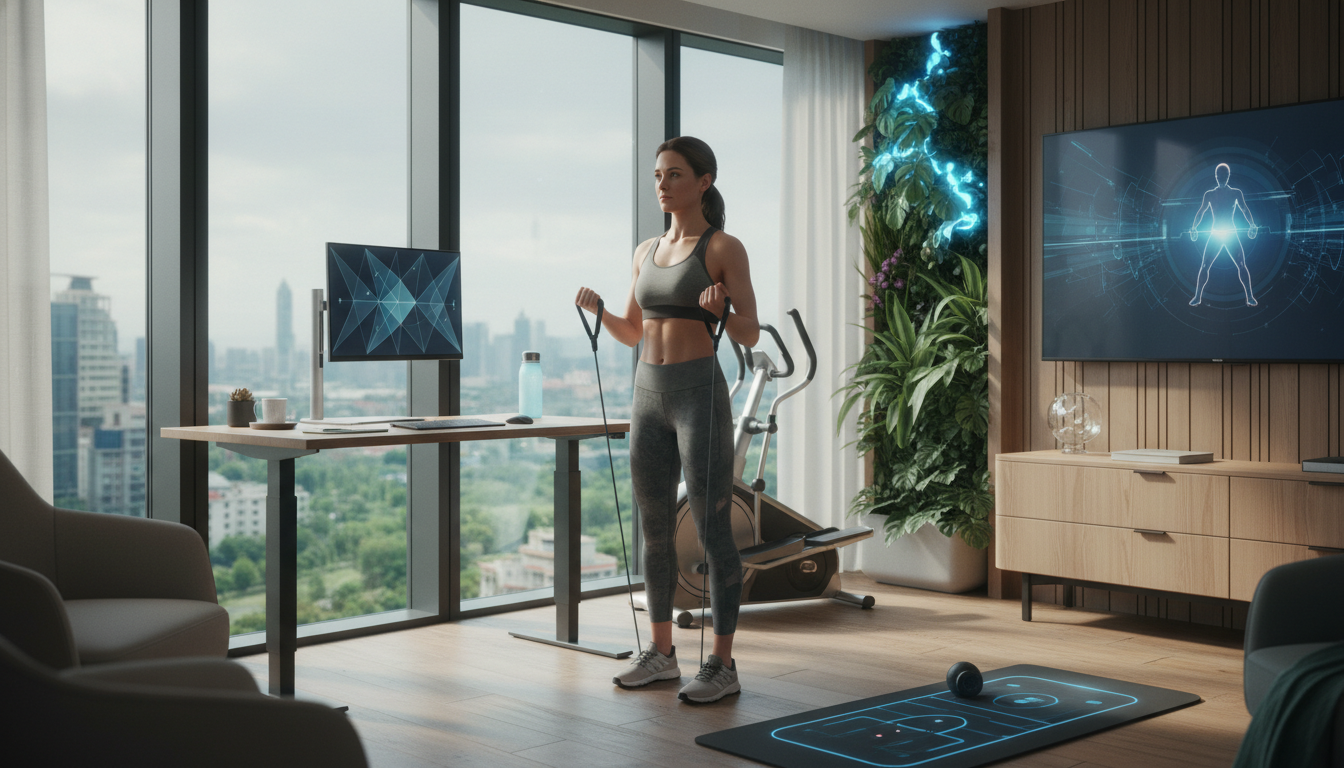
How to Stay Active While Working from Home in 2026: Tips and Tricks
Introduction
Working from home in 2026 requires intentional strategies to stay active, as the convenience of remote work often leads to prolonged sitting and decreased physical movement. Incorporating regular movement breaks, creating an active workspace, and scheduling exercise into your daily routine can combat the sedentary lifestyle that comes with working from home. The following tips and tricks will help you maintain both physical and mental health while enjoying the flexibility of remote work.
Working from home has become a norm in 2026, with many professionals enjoying the flexibility it offers. However, this shift has also led to a more sedentary lifestyle for many. Staying active while working from home is crucial for both physical and mental health.
The Importance of Staying Active
Regular physical activity while working from home reduces chronic disease risk, improves mental well-being through endorphin release, and enhances productivity by rejuvenating your mind. Movement throughout the workday supports cardiovascular health, weight management, and better stress management. These benefits make staying active essential for remote workers who spend extended hours at their desks.
Staying active while working from home is essential for several reasons:
– Physical Health: Regular movement helps reduce the risk of chronic diseases, enhances cardiovascular health, and supports weight management.
– Mental Well-being: Physical activity releases endorphins, which can improve mood and reduce stress.
– Productivity Boost: Taking breaks for movement can rejuvenate your mind, leading to increased focus and productivity.
What is the minimum amount of movement needed when working from home?
Aim for at least 5 minutes of movement every hour, totaling 30-60 minutes of physical activity throughout your workday. This can include standing, stretching, walking, or brief exercise sessions that break up prolonged sitting periods.
Create an Active Workspace
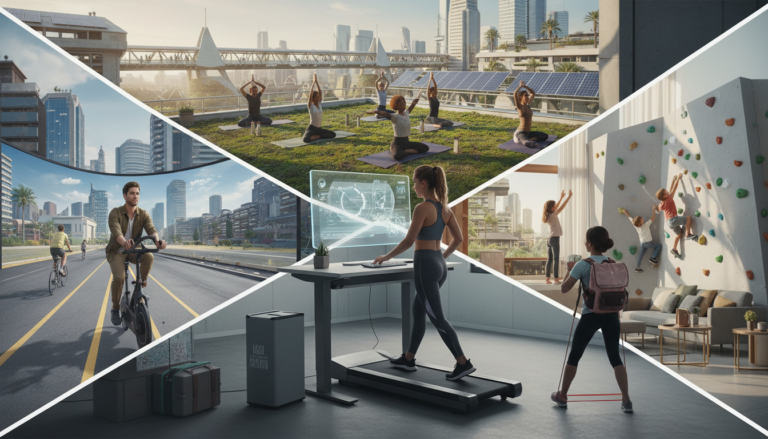
Designing an active workspace with ergonomic furniture and a dedicated movement zone encourages regular physical activity during work hours. Sit-stand desks allow you to alternate positions throughout the day, reducing fatigue and promoting better posture. A designated area for stretching or quick workouts serves as a visual reminder to incorporate movement into your routine.
Designate a Movement Zone
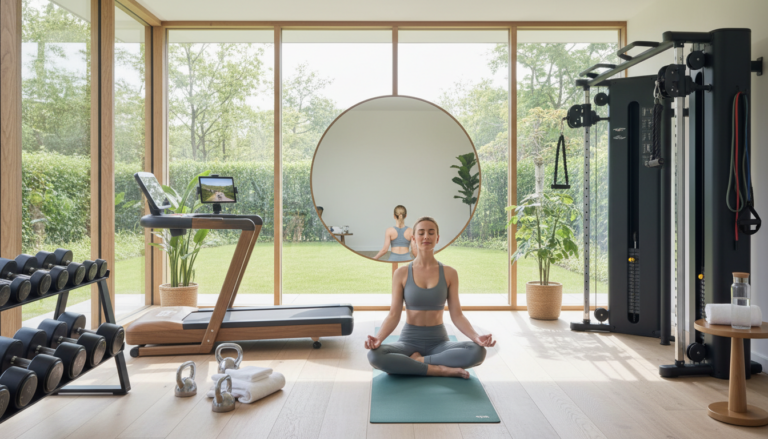
Set aside a specific area in your home for stretching, yoga, or quick workouts. This designated space can serve as a reminder to incorporate activity into your day.
Invest in Ergonomic Furniture
Ergonomic chairs and sit-stand desks can promote better posture and encourage you to change positions throughout the day. Alternating between sitting and standing can help reduce discomfort and fatigue.
How does a sit-stand desk help you stay active while working from home?
Sit-stand desks promote position changes every 30-60 minutes, which reduces static muscle tension, improves circulation, and increases calorie expenditure. Simply standing instead of sitting engages core muscles and encourages subtle movements that combat sedentary behavior.
Schedule Movement Breaks
Structured movement breaks using techniques like Pomodoro (25 minutes work, 5 minutes movement) prevent prolonged sitting and maintain energy levels throughout the workday. Setting hourly reminders ensures consistent activity intervals, whether through stretching, walking, or brief exercises. These scheduled breaks create sustainable habits that integrate movement into your remote work routine.
Use the Pomodoro Technique
Consider using the Pomodoro Technique—work for 25 minutes, then take a 5-minute break. During these breaks, stand up, stretch, or take a short walk around your home. This technique not only enhances productivity but also keeps you moving.
Set Reminders
Utilize digital tools or apps to set reminders for movement breaks. A simple notification every hour can prompt you to get up and move, whether it’s doing jumping jacks or just walking to another room.
Can short movement breaks really improve productivity?
Yes, brief 5-10 minute movement breaks increase blood flow to the brain, reduce mental fatigue, and can boost focus by up to 25%. These microbreaks prevent the cognitive decline that occurs during extended periods of continuous work.
Incorporate Exercise into Your Day
Home workouts, walking meetings, and virtual fitness classes make it practical to integrate structured exercise into your remote work schedule. Options like yoga, strength training with resistance bands, and dance workouts provide variety to match different fitness preferences and time constraints. Converting some meetings to walking sessions combines productivity with physical activity.
With the rise of virtual fitness classes, it’s easier than ever to find a routine that suits your preferences.
Home Workouts
Consider these effective workout options:
– Yoga: Great for flexibility and stress relief.
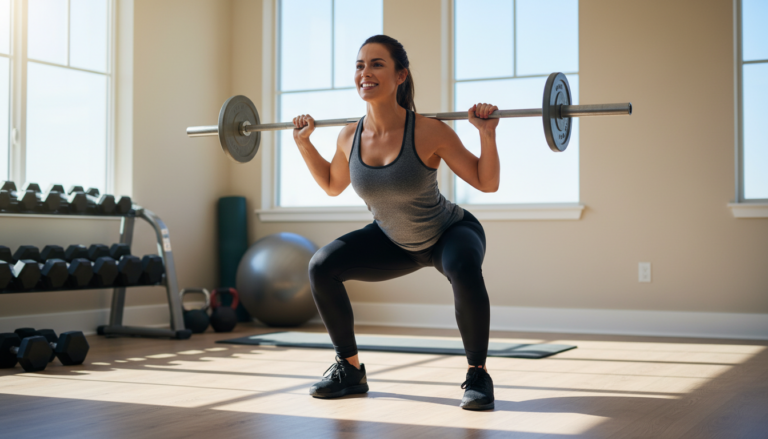
– Strength Training: Use bodyweight exercises or resistance bands for strength.
– Dance Workouts: These can be fun and energizing, making it easy to stay active.
If you’re new to yoga, check out our guide on yoga poses for stress relief to get started. For more ideas on making exercise a natural part of your day, explore these creative ways to incorporate exercise into your daily life.
Walking Meetings
If possible, turn some of your meetings into walking meetings. This not only keeps you active but can also stimulate creativity and collaboration.
What are the best quick exercises for remote workers?
Desk push-ups, chair squats, wall sits, and desk planks require no equipment and can be completed in 2-5 minutes. These bodyweight exercises target major muscle groups and effectively counteract the effects of prolonged sitting.
Stay Accountable
Accountability through workout partners and activity tracking increases adherence to fitness goals by up to 65% for remote workers. Finding a virtual workout buddy provides motivation and social connection, while fitness trackers offer tangible data about your daily movement patterns. These tools transform abstract wellness intentions into measurable, achievable actions.
Find a Workout Buddy
Partnering with a friend or colleague for virtual workouts can enhance motivation. You can share your goals, progress, and keep each other accountable.
Track Your Activity
Use fitness trackers or apps to monitor your daily activity levels. Setting goals and tracking progress can motivate you to move more. For a structured approach to setting and achieving your fitness objectives, read our comprehensive guide on how to set and achieve your health goals for 2026.
Mindfulness and Movement
Combining mindfulness practices like tai chi and mindful walking with physical movement enhances both mental clarity and physical well-being simultaneously. These intentional movement practices encourage present-moment awareness while providing the physical benefits of activity. Deep breathing exercises and stretching further alleviate tension from prolonged sitting.
Incorporate Mindfulness Practices
Combine mindfulness with movement. Practices like tai chi or mindful walking can enhance both your mental and physical well-being. These activities encourage you to focus on your body and surroundings, making movement more intentional.
Stretching and Breathing Exercises
Incorporate stretching and deep breathing exercises into your routine. This can help alleviate tension caused by prolonged sitting and improve overall flexibility.
Why should you combine mindfulness with movement breaks?
Mindful movement reduces stress hormones like cortisol while increasing body awareness, creating dual mental and physical health benefits. This combination is more effective than exercise alone for reducing workplace anxiety and improving overall well-being.
Conclusion
Staying active while working from home in 2026 is achievable through small, consistent changes like creating an active workspace, scheduling movement breaks, and maintaining accountability systems. These strategies transform remote work from a sedentary challenge into an opportunity for integrated wellness throughout your day. Starting with even one or two changes can create momentum toward a more active and fulfilling lifestyle.
Remember, it’s all about making small, consistent changes that lead to a more active and fulfilling life. Finding the right balance between work and wellness is key to long-term success. Start today and feel the difference in both your physical and mental well-being!
Frequently Asked Questions
How can I stay active while working from home all day?
To stay active while working from home, schedule hourly movement breaks, use a sit-stand desk, and incorporate 5-10 minute exercise sessions between tasks. Set reminders to stand and stretch, take walking meetings when possible, and dedicate 20-30 minutes to structured workouts before or after work. Creating a designated movement zone in your home reinforces these active habits.
What are the best exercises for remote workers with limited space?
Bodyweight exercises like squats, lunges, push-ups, planks, and burpees require minimal space and no equipment. Yoga flows, jumping jacks, high knees, and mountain climbers also work well in small areas. These exercises effectively target multiple muscle groups and can be modified for any fitness level.
How often should I take movement breaks when working from home?
Take a 5-minute movement break every hour, or use the Pomodoro Technique with breaks every 25-30 minutes of work. At minimum, stand and stretch every 60 minutes to prevent the negative health effects of prolonged sitting. Longer 10-15 minute active breaks should occur every 2-3 hours.
Can working from home actually improve my fitness routine?
Yes, remote work eliminates commute time, providing extra hours for exercise and more flexibility to schedule workouts when energy levels peak. You can access your home gym or workout space instantly, take fitness classes during traditional lunch hours, and integrate movement more naturally throughout the day without office constraints.
What equipment do I need to stay active while working from home?
You need no equipment to stay active while working from home—bodyweight exercises, walking, and stretching are highly effective. Optional additions include resistance bands ($10-30), a yoga mat ($20-40), dumbbells, or a jump rope for variety. A sit-stand desk converter ($100-300) is a worthwhile investment for long-term posture and movement.
How do I stay motivated to exercise when working from home?
Create accountability by scheduling workouts like meetings, finding a virtual workout buddy, or joining online fitness communities. Track your progress with apps or journals, set specific goals, and celebrate small wins. Variety in workout types prevents boredom and maintains engagement over time.
Does standing while working really make a difference for health?
Yes, standing instead of sitting burns 50-100 additional calories per hour and reduces risks of cardiovascular disease, diabetes, and back pain. Alternating between sitting and standing every 30-60 minutes improves circulation, reduces muscle stiffness, and enhances energy levels. Standing desks can increase daily movement by 30-40%.
What are simple ways to stay active while working from home without dedicated workout time?
Integrate movement into daily activities: take stairs instead of elevators, do calf raises while on calls, pace during meetings, or do wall push-ups between tasks. Park your printer across the room, drink more water to increase bathroom trips, and do desk stretches every hour. These micro-movements accumulate to significant activity throughout the day.