
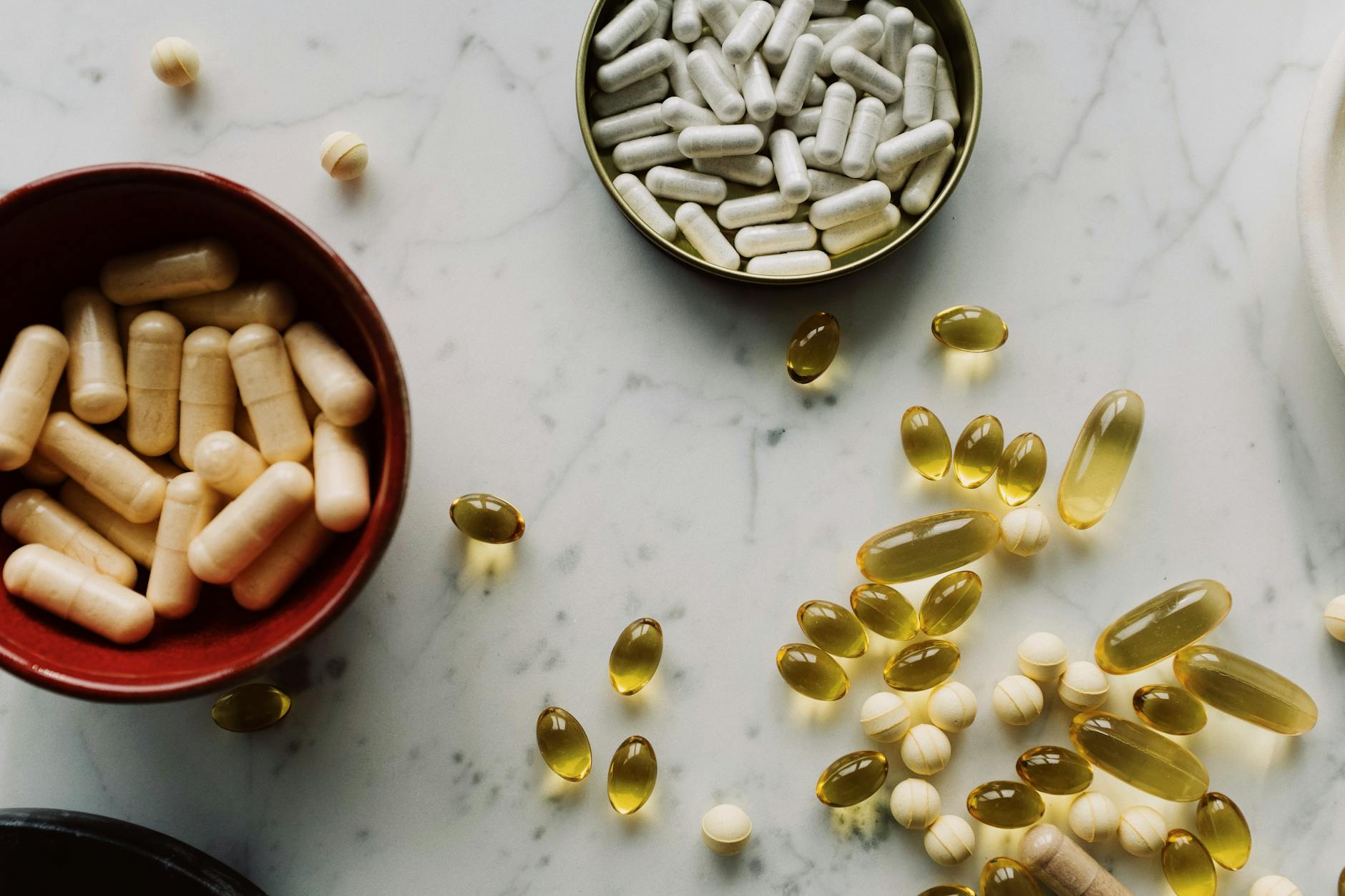
The Complete Natural Remedies Guide: Science-Backed Healing Methods for Common Ailments
Natural remedies have been used for thousands of years, but today we have something our ancestors did not: rigorous scientific research that separates what genuinely works from what is simply tradition. This complete natural remedies guide focuses on science-backed healing approaches that have been studied in clinical settings, giving you practical tools to support your health with confidence. Whether you are managing everyday stress, digestive discomfort, or chronic inflammation, there are well-researched natural options worth knowing about.
What Makes a Natural Remedy “Science-Backed”?
Not all natural remedies are created equal. A science-backed remedy is one that has been tested in controlled studies, ideally randomized controlled trials (RCTs) or systematic reviews, and shown to produce measurable, repeatable results. It is important to distinguish between remedies that have strong evidence, promising early evidence, and those that rely primarily on anecdote.
Organizations like the National Center for Complementary and Integrative Health (NCCIH) at the National Institutes of Health fund and review research on natural and complementary approaches. Their database is one of the most reliable places to check the current evidence level for any given remedy.
When evaluating a natural remedy, consider these factors:
- Quality of studies: Were the studies randomized and placebo-controlled?
- Sample size: Were enough participants studied to draw meaningful conclusions?
- Replication: Have multiple independent research teams found similar results?
- Mechanism of action: Do we understand biologically why and how it works?
- Safety profile: Have adverse effects been systematically documented?
Top Science-Backed Herbal Remedies and Their Uses
Herbal medicine represents one of the oldest and most studied areas of natural healing. Here is a look at remedies with meaningful scientific support:
Ashwagandha for Stress and Anxiety
Ashwagandha (Withania somnifera) is an adaptogenic herb used in Ayurvedic medicine for centuries. Multiple clinical trials have found it can meaningfully reduce self-reported stress and anxiety scores. Research published in peer-reviewed journals suggests it may work by modulating the hypothalamic-pituitary-adrenal (HPA) axis, helping to regulate cortisol levels. A systematic review published in the Journal of Evidence-Based Integrative Medicine found significant improvements in stress and anxiety with ashwagandha supplementation compared to placebo.
Ginger for Nausea and Inflammation
Ginger (Zingiber officinale) is one of the most thoroughly studied natural remedies for nausea, including pregnancy-related nausea, chemotherapy-induced nausea, and post-operative nausea. Its active compounds, gingerols and shogaols, have demonstrated anti-inflammatory properties in laboratory and clinical research. The NCCIH notes that ginger has good evidence for nausea relief, though research on other conditions continues.
Echinacea for Immune Support
Echinacea is widely used to prevent or shorten the duration of the common cold. The evidence is mixed but leans moderately positive. Some clinical trials and meta-analyses suggest it may reduce the duration of colds by a modest degree, though product quality and species differences (E. purpurea, E. angustifolia, E. pallida) make comparisons difficult. Always look for standardized extracts from verified suppliers when choosing echinacea products.
Valerian Root for Sleep
Valerian (Valeriana officinalis) has been used as a sleep aid for centuries. Clinical evidence is somewhat inconsistent, but several studies suggest it may improve sleep quality and reduce the time it takes to fall asleep. Its proposed mechanism involves modulating GABA receptors in the brain, similar in concept (though much gentler) to how some pharmaceutical sleep aids work.
Turmeric and Curcumin for Inflammation
Curcumin, the primary bioactive compound in turmeric, has been extensively studied for its anti-inflammatory and antioxidant properties. Research suggests it inhibits key inflammatory pathways including NF-kB signaling. A practical challenge is bioavailability: curcumin is poorly absorbed on its own. Combining it with piperine (found in black pepper) significantly enhances absorption, a detail supported by pharmacokinetic studies.
Natural Remedies by Health Concern
Rather than searching by ingredient, many people want to know what works for a specific problem. Below is a guide organized by common health concerns:
Digestive Health
- Peppermint oil (enteric-coated capsules): Multiple clinical trials support its use for irritable bowel syndrome (IBS) symptom relief.
- Probiotics: Specific strains like Lactobacillus rhamnosus GG and Bifidobacterium infantis have well-documented benefits for gut health and certain digestive conditions.
- Ginger: Effective for nausea and may support motility.
- Aloe vera juice (inner leaf): Some evidence for soothing digestive discomfort, though quality control of products matters.
Sleep and Relaxation
- Magnesium glycinate or citrate: Magnesium plays a role in regulating neurotransmitters and melatonin. Many adults have suboptimal magnesium intake, and supplementation has shown benefits for sleep quality in several studies.
- Valerian root: As described above, mild evidence for sleep onset improvement.
- Lavender aromatherapy: Multiple studies, including some using standardized oral lavender oil preparations, have found reductions in anxiety and improvements in sleep.
- L-theanine: An amino acid found naturally in tea leaves, with good evidence for promoting relaxed alertness and improving sleep quality when combined with caffeine reduction.
Immune Function
- Zinc: Well-documented role in immune function. Zinc lozenges taken early in a cold may reduce duration.
- Vitamin D: Deficiency is linked to increased susceptibility to respiratory infections. Supplementation is particularly relevant for people with limited sun exposure.
- Elderberry (Sambucus nigra): Growing evidence that elderberry extracts may reduce the duration and severity of cold and flu symptoms, likely through antiviral and immune-modulating mechanisms.
- Echinacea: Moderate evidence for mild immune support, particularly for upper respiratory infections.