The Complete Herbal Medicine Guide: Evidence-Based Natural Healing for Wellness and Recovery
Herbal medicine is one of the oldest and most widely practiced forms of healthcare in the world, using plants and plant-derived compounds to support health, prevent illness, and treat a range of conditions. This guide cuts through the noise to give you a practical, evidence-informed look at which herbs have real research behind them, how to use them safely, and what to realistically expect. Whether you are brand new to botanical remedies or looking to deepen your existing knowledge, you will find clear answers here grounded in science rather than folklore alone.
What Is Herbal Medicine and How Does It Work?
Herbal medicine, also called phytotherapy or botanical medicine, involves using the leaves, roots, bark, flowers, seeds, or berries of plants for therapeutic purposes. Unlike synthetic pharmaceuticals that are typically built around a single isolated compound, herbal remedies often contain dozens of active constituents that may work together in ways scientists are still working to fully understand.
The main categories of active plant compounds include:
- Alkaloids: nitrogen-containing compounds with potent physiological effects, found in plants like berberine-rich goldenseal
- Flavonoids: antioxidant compounds abundant in elderberry, chamomile, and green tea
- Terpenes: aromatic compounds found in lavender, peppermint, and cannabis
- Glycosides: sugar-bonded compounds found in plants like hawthorn and valerian
- Tannins: astringent polyphenols present in herbs like witch hazel and oak bark
According to the World Health Organization, a significant portion of the global population relies on traditional plant-based medicine as a primary healthcare resource, particularly in low-income countries. This widespread use has driven substantial investment in clinical research over the past few decades.
The Science: Which Herbs Have the Strongest Evidence?
Not all herbs are created equal when it comes to research quality. Below is a breakdown of some of the most studied medicinal plants and the strength of current evidence supporting their use.
| Herb | Primary Use | Evidence Level | Key Active Compound(s) | Common Form |
|---|---|---|---|---|
| St. John’s Wort (Hypericum perforatum) | Mild to moderate depression | Strong ‑ multiple RCTs | Hypericin, hyperforin | Capsule, tincture, tea |
| Echinacea (Echinacea purpurea) | Immune support, cold duration | Moderate ‑ mixed results | Alkylamides, polysaccharides | Capsule, liquid extract |
| Valerian (Valeriana officinalis) | Sleep quality, anxiety | Moderate ‑ promising trials | Valerenic acid | Capsule, tea, tincture |
| Ginkgo biloba | Cognitive support, circulation | Moderate ‑ extensive research | Ginkgolides, bilobalide | Standardized extract capsule |
| Turmeric (Curcuma longa) | Inflammation, joint pain | Strong ‑ large body of research | Curcumin | Capsule, powder, tincture |
| Ashwagandha (Withania somnifera) | Stress, adaptogenic support | Moderate to strong ‑ growing RCT base | Withanolides | Capsule, powder |
| Peppermint (Mentha piperita) | IBS, headache, nausea | Strong for IBS specifically | Menthol, menthone | Enteric-coated capsule, oil, tea |
| Milk Thistle (Silybum marianum) | Liver support | Moderate ‑ promising for liver conditions | Silymarin | Capsule, standardized extract |
Research published through databases like PubMed (National Library of Medicine) shows a rapidly growing body of clinical trials on many of these plants, though study quality varies considerably. Always look for randomized controlled trials (RCTs) and systematic reviews rather than relying on animal studies or single small trials.
Five Foundational Herbs Every Home Apothecary Should Know
1. Turmeric and Curcumin
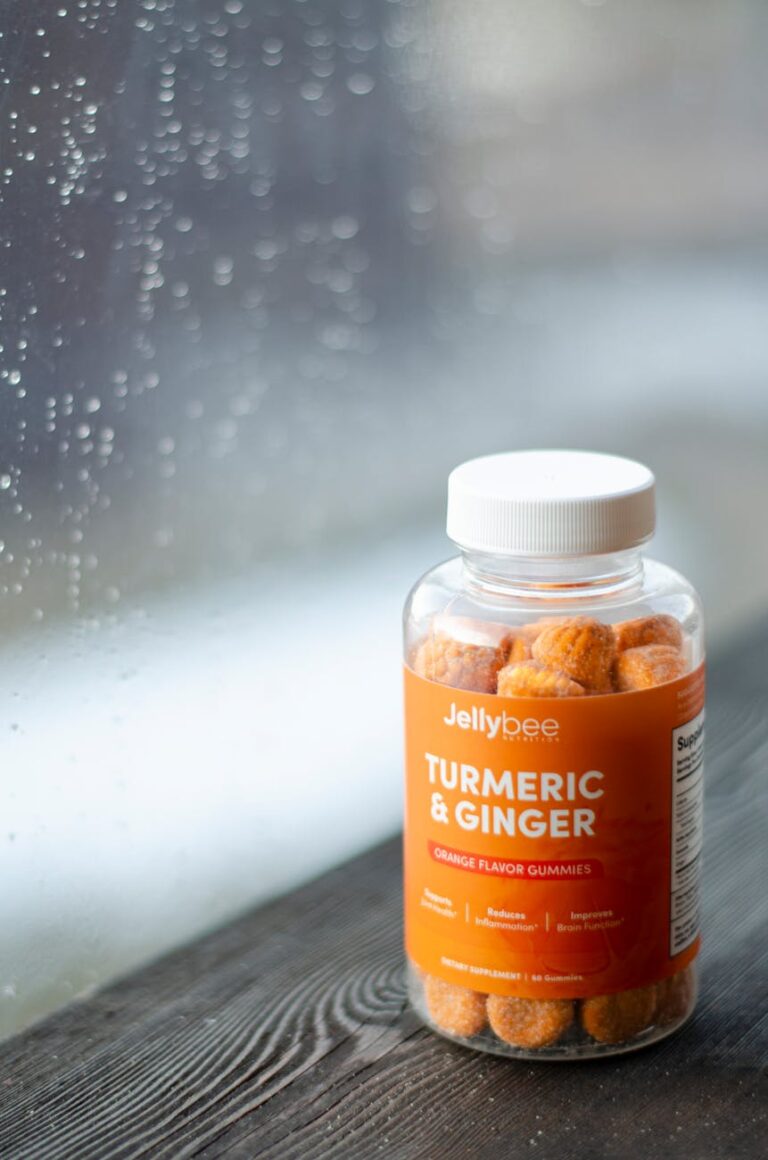
Turmeric is arguably the most researched anti-inflammatory herb available. Its active compound, curcumin, has been studied extensively for joint pain, inflammatory bowel conditions, and metabolic health. The key limitation is poor bioavailability, meaning the body does not absorb it well on its own. Combining it with piperine (found in black pepper) dramatically improves absorption, which is why many quality supplements include both. Look for products standardized to at least 95 percent curcuminoids.
2. Ashwagandha
Ashwagandha is an adaptogen from Ayurvedic medicine that has accumulated a solid base of clinical evidence for reducing stress hormone levels and supporting sleep quality. Several human trials have used the branded extract KSM-66, a root-only extract standardized to at least 5 percent withanolides, which is considered among the best-studied forms available.
3. Echinacea
Echinacea remains one of the top-selling herbal supplements for immune support. The evidence suggests it may modestly reduce the duration of the common cold when taken at the first sign of symptoms, though results across studies are inconsistent. The species matters: Echinacea purpurea tends to show better outcomes than other species in most trials. It is generally recommended for short-term use rather than continuous supplementation.
4. Valerian Root
Valerian is widely used as a gentle sleep aid and anxiolytic. While the evidence is considered moderate rather than definitive, multiple trials suggest it can reduce the time it takes to fall asleep and improve sleep quality without the dependency risks associated with pharmaceutical sleep medications. It is best taken 30 to 60 minutes before bed.
5. Peppermint Oil
Enteric-coated peppermint oil capsules have one of the strongest evidence bases among herbal remedies for a specific condition: irritable bowel syndrome (IBS). The enteric coating is critical because it prevents the oil from releasing in the stomach, which can cause heartburn, and instead allows it to work in the intestines where it relaxes smooth muscle and reduces spasms.
Understanding Herbal Supplement Quality and Safety
One of the most significant challenges with herbal medicine is quality control. Unlike prescription drugs, dietary supplements in many countries are not required to prove efficacy before going to market. This means what is on the label may not always match what is in the bottle.
To protect yourself, look for these quality markers:
- Third-party testing certifications: seals from organizations like USP (United States Pharmacopeia), NSF International, or ConsumerLab indicate independent verification
- Standardized extracts: these guarantee a minimum percentage of the key active compound
- Good Manufacturing Practice (GMP) certification: indicates the product was made under regulated conditions
- Transparent labeling: avoid proprietary blends that hide individual ingredient amounts
- Reputable brands with a history of publishing certificates of analysis (COAs)
It is also worth noting that natural does not automatically mean safe. Many herbs have real contraindications, drug interactions, and dosing thresholds that matter clinically.
Herb-Drug Interactions: What You Must Know Before Starting
Some of the most clinically significant herb-drug interactions include:
- St. John’s Wort: a potent inducer of cytochrome P450 enzymes, it can significantly reduce the effectiveness of birth control pills, antiretrovirals, blood thinners, and many other medications
- Ginkgo biloba: can increase bleeding risk when combined with anticoagulants like warfarin or aspirin
- Valerian: may amplify the effects of sedative medications and alcohol
- Garlic supplements: may interact with blood thinners and some HIV medications
- Kava: carries hepatotoxicity risk, especially with alcohol or acetaminophen use
The National Center for Complementary and Integrative Health (NCCIH) maintains a detailed herbs-at-a-glance resource that is updated regularly with safety information and current research findings. This is an excellent first stop for checking the safety profile of any herb you are considering.
Always disclose herbal supplement use to your healthcare provider, particularly before surgery or when starting a new prescription medication.
How to Choose the Right Form of Herbal Medicine
Herbs come in many forms, and the right choice depends on the herb itself, your intended use, and your personal preferences.
| Form | How It Works | Best For | Considerations |
|---|---|---|---|
| Standardized capsule or tablet | Guaranteed active compound percentage | Consistent dosing, clinical use | Most studied form for many herbs |
| Tincture (alcohol or glycerin extract) | Concentrated liquid, fast absorption | Flexible dosing, acute use | Alcohol content may not suit everyone |
| Herbal tea (infusion or decoction) | Water-soluble compounds extracted | Gentle daily use, ritual and relaxation | Lower and more variable potency |
| Topical preparations (creams, oils) | Local skin absorption | Skin conditions, muscle pain, headache | Limited systemic effect |
| Powders | Whole herb ground fine | Culinary use, smoothies | Potency varies widely without standardization |
| Essential oils (aromatherapy) | Volatile aromatic compounds inhaled | Relaxation, mood, topical with carrier oil | Not for internal use unless specifically formulated |
Building a Practical Herbal Wellness Routine
Herbal medicine works best when it is integrated thoughtfully into a broader wellness lifestyle rather than used as a magic bullet. Here is a practical framework:
- Identify your primary health goal: sleep, stress, digestion, immunity, or inflammation are common starting points
- Research one or two herbs with the best evidence for that goal: avoid starting with five herbs at once so you can assess what is working
- Choose a quality, standardized product from a verified brand: transparency and third-party testing matter
- Track your response over four to eight weeks: many adaptogens and anti-inflammatory herbs require several weeks of consistent use before effects become noticeable
- Reassess and adjust: some herbs are designed for short-term use (echinacea during illness) while others can be used long-term (turmeric, ashwagandha)
- Layer in complementary lifestyle habits: herbs work synergistically with quality sleep, a whole-food diet, movement, and stress management
Special Populations: Who Should Exercise Extra Caution
Certain groups should approach herbal medicine with additional care and always consult a qualified healthcare professional before starting:
- Pregnant or breastfeeding women: many herbs have not been tested for safety in pregnancy, and some are known to stimulate uterine contractions or pass into breast milk
- Children: dosing for children is not always established, and some herbs safe for adults are not appropriate for young children
- People with autoimmune conditions: immune-stimulating herbs like echinacea may be counterproductive
- People with liver or kidney conditions: these organs process herbal compounds, and impaired function can lead to accumulation and toxicity
- Anyone on multiple medications: polypharmacy dramatically increases the risk of herb-drug interactions
Frequently Asked Questions
Are herbal supplements regulated by the FDA?
In the United States, herbal supplements are regulated as dietary supplements under the Dietary Supplement Health and Education Act (DSHEA) of 1994. This means manufacturers do not need to prove safety or effectiveness before selling their products, unlike prescription drugs. The FDA can take action against unsafe products after they are on the market, but pre-market approval is not required. This is why third-party testing from organizations like USP or NSF is so important for consumers choosing herbal products.
How long does it take for herbal remedies to work?
This depends heavily on the herb and the condition. Peppermint oil for IBS may provide relief within the same day. Echinacea for cold symptoms is typically taken for a short defined period of days. Adaptogens like ashwagandha and herbs for sleep like valerian may take two to four weeks of consistent daily use before meaningful effects are noticed. Anti-inflammatory herbs like turmeric often need four to eight weeks of consistent use at adequate doses to produce measurable changes in inflammation markers.
Can I take multiple herbs together?
Combining herbs is common in traditional medicine systems like Traditional Chinese Medicine and Ayurveda, and some combinations are well-studied. However, combining multiple herbs increases the potential for interactions, both with each other and with any medications you take. Start with one or two herbs, understand their individual profiles, and introduce new ones gradually. When in doubt, consult a licensed herbalist, naturopathic doctor, or integrative medicine physician.
What is the difference between an adaptogen and a regular herbal supplement?
Adaptogens are a specific category of herbs defined by their ability to help the body resist physical, chemical, and biological stressors. They are thought to work by modulating the hypothalamic-pituitary-adrenal (HPA) axis, which governs the stress response. Well-known adaptogens include ashwagandha, rhodiola, eleuthero, and holy basil. Regular herbal supplements may target a specific symptom or organ system directly, while adaptogens are considered to have a broader, normalizing effect on overall physiological balance.
Is it safe to buy herbal supplements online?
Purchasing from online marketplaces can be risky if you are not careful about sourcing. Look for brands that publish their certificates of analysis (COAs) publicly, carry third-party certifications (USP, NSF, Informed Sport), and have a transparent manufacturing history. Avoid extremely cheap products that lack clear labeling, and be cautious of marketplaces where multiple third-party sellers list the same product, as counterfeits and mislabeled products are a documented concern in the supplement industry.
Herbal medicine, practiced thoughtfully and informed by good evidence, can be a genuinely valuable complement to conventional healthcare. The key is approaching it with the same critical thinking you would apply to any health decision: look at the evidence, understand the risks, choose quality products, and work with knowledgeable healthcare providers when needed. Plants have shaped human medicine for millennia, and modern science continues to validate many of those traditional uses while also drawing important boundaries around safety and realistic expectations.