
How to Use Yoga for Stress Management: Evidence-Based Techniques That Actually Work
Yoga reduces stress by activating the parasympathetic nervous system, lowering cortisol levels, and promoting mindful awareness of the present moment. If you are looking for a practical, science-supported approach to managing stress, yoga offers a toolkit of breathing exercises, physical postures, and meditation practices that work together to calm your body and mind. This guide walks you through exactly how to use yoga for stress management, grounded in peer-reviewed research and actionable technique breakdowns you can start using today.
Why Yoga Works for Stress: The Science Behind the Practice
Before diving into specific techniques, it helps to understand why yoga has such a measurable effect on stress. The human stress response is governed largely by the autonomic nervous system, which has two main branches: the sympathetic (fight-or-flight) and the parasympathetic (rest-and-digest). Chronic stress keeps the sympathetic branch in an overactivated state, flooding the body with cortisol and adrenaline.
Yoga works by deliberately shifting this balance. Research published in the journal Frontiers in Psychiatry has found that yoga-based interventions significantly reduce perceived stress and anxiety while improving markers of autonomic balance. The practice accomplishes this through several physiological pathways:
- Vagal stimulation: Deep, slow breathing and certain postures stimulate the vagus nerve, the primary driver of parasympathetic activity.
- Cortisol reduction: Regular yoga practice has been associated with measurable decreases in salivary cortisol, a key biological marker of stress.
- GABA enhancement: Studies from Harvard Medical School researchers published via PubMed Central suggest that yoga increases levels of the neurotransmitter GABA, which plays a calming role in the brain.
- Mindful awareness: The attention demanded by yoga postures and breath work interrupts rumination cycles that fuel anxiety and stress.
The Most Evidence-Based Yoga Techniques for Stress Relief
Not all yoga practices carry the same level of scientific support for stress reduction. The following techniques have the strongest research backing and are practical for beginners and experienced practitioners alike.
1. Diaphragmatic Breathing (Pranayama)
Controlled breathing is the fastest route to nervous system regulation. Diaphragmatic breathing, where the belly expands on the inhale rather than the chest rising, directly activates the vagus nerve and signals safety to the brain.
The most well-studied breathing technique for stress is 4-7-8 breathing and box breathing, both rooted in traditional pranayama. To practice 4-7-8 breathing: inhale for 4 counts, hold for 7 counts, exhale slowly for 8 counts. The extended exhale is what triggers the parasympathetic response.
Another evidence-supported approach is alternate nostril breathing (Nadi Shodhana). Research cited by the Yoga Journal notes that this practice helps balance the two hemispheres of the brain and calm the nervous system, making it particularly useful before high-stress situations like presentations or difficult conversations.
2. Yoga Nidra (Yogic Sleep)
Yoga Nidra is a guided meditation practice performed lying down that systematically relaxes the body and mind. It is sometimes called “yogic sleep” because it guides practitioners into a state between wakefulness and sleep, a deeply restorative brain wave state known as the hypnagogic state.
The International Association of Yoga Therapists recognizes Yoga Nidra as a clinically relevant stress management tool, with applications ranging from general anxiety to PTSD recovery. Even a 20-minute Yoga Nidra session can produce the restorative equivalent of several hours of sleep for the nervous system, according to practitioners and yoga therapy researchers.
3. Restorative Yoga Postures
Restorative yoga uses props such as bolsters, blankets, and blocks to support the body in passive poses held for several minutes each. Unlike vigorous yoga styles, restorative yoga asks nothing physically demanding of the practitioner. Its entire purpose is to release held tension and activate the relaxation response.
Key restorative postures for stress include:
- Legs Up the Wall (Viparita Karani): Reverses venous blood flow and calms the nervous system
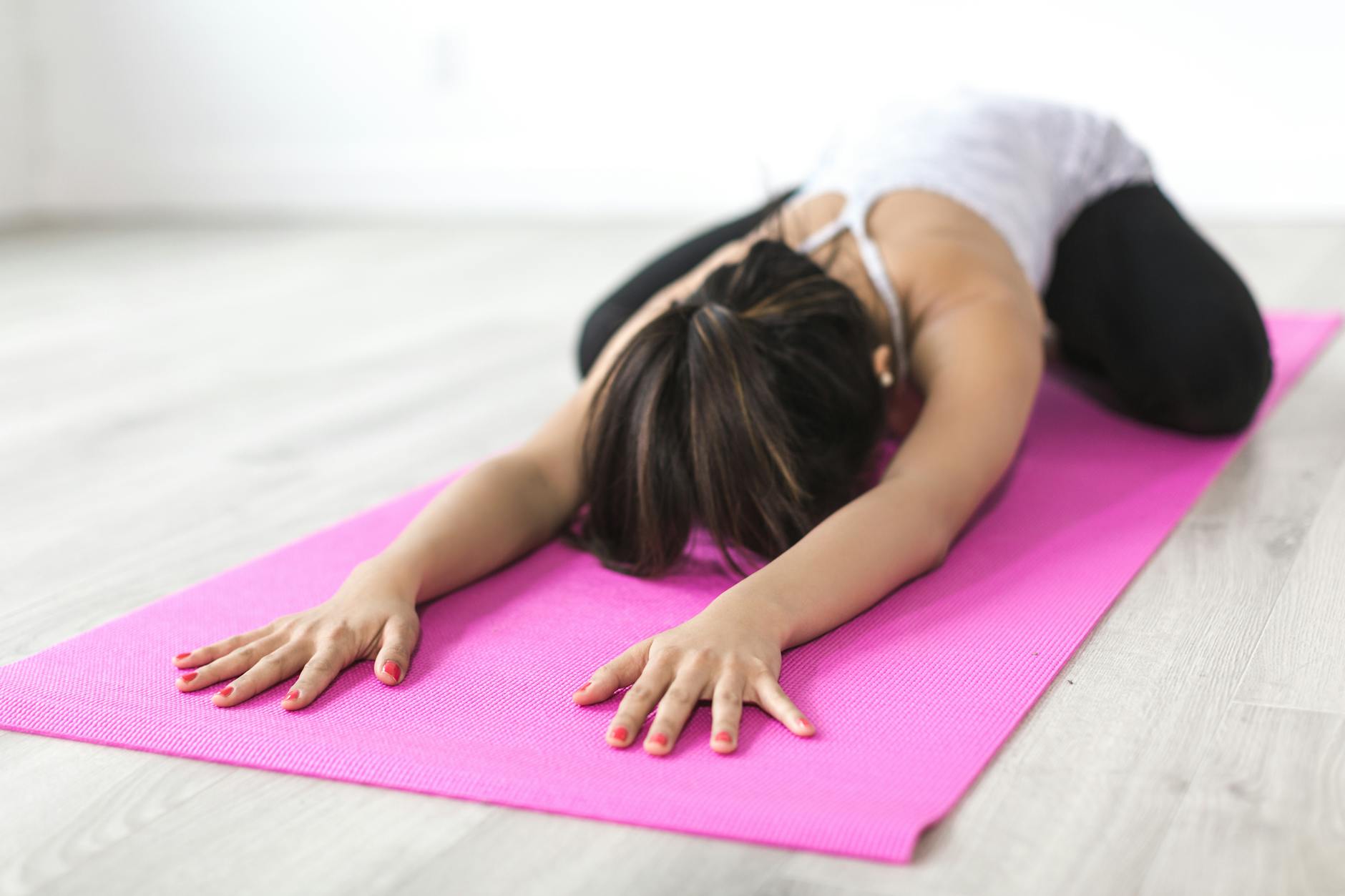
- Supported Child’s Pose (Balasana): Activates the forehead’s pressure receptors, which are linked to vagal activity
- Reclined Bound Angle Pose (Supta Baddha Konasana): Opens the chest and hip flexors where emotional tension is commonly stored
- Supported Corpse Pose (Savasana): The classic final relaxation posture that integrates all stress-reduction benefits
4. Mindful Movement (Hatha and Yin Yoga)
Slower-paced yoga styles like Hatha and Yin emphasize holding postures with focused awareness. This combination of physical challenge and mindful attention trains the practitioner to stay present in discomfort rather than reacting to it, a skill that transfers directly to stress management in daily life.
Yin yoga targets connective tissue and is particularly effective at releasing chronic muscular tension patterns linked to long-term stress. Many practitioners describe significant emotional release during or after Yin sessions, which aligns with somatic theories about how the body stores unprocessed stress in the fascia.
Comparing Popular Yoga Styles for Stress Management
Choosing the right yoga style matters. High-intensity styles may actually elevate cortisol rather than reduce it for people who are already in a chronic stress state. The table below compares the most popular yoga styles based on their suitability for stress management.
| Yoga Style | Intensity Level | Best For | Stress Relief Rating | Beginner Friendly |
|---|---|---|---|---|
| Restorative Yoga | Very Low | Burnout, anxiety, insomnia | Excellent | Yes |
| Yin Yoga | Low | Chronic tension, emotional release | Excellent | Yes |
| Hatha Yoga | Low to Moderate | General stress, balanced lifestyle | Very Good | Yes |
| Yoga Nidra | None (lying down) | Exhaustion, trauma recovery | Excellent | Yes |
| Vinyasa Flow | Moderate to High | Active stress relief, mood boost | Good | Moderate |
| Ashtanga | High | Physical fitness alongside stress management | Moderate | No |
| Bikram / Hot Yoga | High | Detox-focused, not ideal for high stress | Low to Moderate | No |
Note: Stress relief ratings are based on the alignment of each style with parasympathetic nervous system activation principles and available research literature, not on personal preference alone.
Building a Stress-Management Yoga Routine: A Practical Weekly Structure
Consistency matters more than duration when using yoga for stress management. Research supports the idea that shorter, regular sessions are more effective than occasional marathon practices. Here is a practical weekly structure designed to build resilience to stress over time:
Monday, Wednesday, Friday: Active Practice (20-30 minutes)
Use a Hatha or gentle Vinyasa flow to keep the body mobile and release physical tension accumulated during the workweek. Focus on hip openers, chest openers, and forward folds, all of which have an immediate calming effect on the nervous system.
Tuesday, Thursday: Pranayama Practice (10-15 minutes)
Dedicate these shorter sessions entirely to breathwork. Alternate between Nadi Shodhana and diaphragmatic breathing. These sessions can be done at a desk during a lunch break or before a stressful meeting.
Saturday: Restorative or Yin Practice (45-60 minutes)
Use the weekend to engage in a longer, deeply restorative session. Hold each posture for 3-5 minutes, allowing the nervous system to fully downregulate. This practice acts as a weekly reset for accumulated stress.
Sunday: Yoga Nidra (20-30 minutes)
End the week with a guided Yoga Nidra session. This is an ideal practice because it requires no physical effort, making it accessible regardless of energy levels. Numerous free Yoga Nidra recordings are available through platforms like Insight Timer’s Yoga Nidra library.
Common Mistakes That Undermine Yoga’s Stress-Relief Benefits
Yoga can backfire as a stress management tool if practiced incorrectly. Here are the most common pitfalls to avoid:
- Treating yoga as just exercise: If your mind is racing through a to-do list during your practice, you are getting a workout but not stress relief. The mental component is essential.
- Choosing the wrong style for your stress level: When cortisol is already high, adding a vigorous Vinyasa class may compound the physiological stress rather than relieve it. Match your practice to your current state.
- Skipping Savasana: Many people skip the final relaxation pose due to time pressure. This is a significant mistake. Savasana is where the nervous system actually integrates the benefits of the practice. Even 5 minutes makes a difference.
- Practicing only when stressed: Like most therapeutic interventions, yoga is most effective as a preventive practice. Consistent daily practice builds a baseline of resilience that reduces the intensity of stress responses when they do occur.
- Holding the breath during challenging poses: Many people unconsciously hold their breath during difficult postures, which activates the stress response rather than calming it. Maintaining smooth, continuous breathing throughout practice is fundamental.
Tools and Resources to Support Your Practice
You do not need a gym membership or expensive equipment to use yoga for stress management. However, a few well-chosen tools can deepen your practice significantly.
For home practice, a quality yoga mat with good grip and cushioning is important for comfort in floor-based restorative postures. Manduka’s yoga mat collection is widely used by yoga therapists and studios for its durability and joint support.
For guided Yoga Nidra and pranayama, the Insight Timer app offers a large library of free guided sessions led by qualified yoga therapists and meditation teachers.
If you are dealing with significant stress or anxiety and want a more structured therapeutic approach, the International Association of Yoga Therapists directory can help you find a certified yoga therapist in your area who can design an individualized practice.
Yoga as Part of a Broader Stress Management Strategy
Yoga is highly effective but works best as one component of a comprehensive approach to stress management. The evidence consistently shows that combining yoga with other evidence-based practices produces better outcomes than any single intervention alone. Consider integrating yoga with:
- Sleep hygiene practices: A short restorative yoga session before bed can meaningfully improve sleep quality, which is itself one of the most powerful stress regulators.
- Nature exposure: Practicing yoga outdoors combines two well-studied stress-reduction interventions simultaneously.
- Journaling: Pairing a Yoga Nidra session with a brief reflective journal entry helps process the insights and emotional releases that deeper practices often produce.
- Professional support: For chronic or clinical-level stress and anxiety, yoga should complement rather than replace professional mental health care.
Frequently Asked Questions
How quickly does yoga reduce stress?
You can feel the effects of yoga on stress within a single session. Specifically, controlled breathing techniques like box breathing or Nadi Shodhana can shift the nervous system toward a calmer state within minutes. However, lasting resilience to stress, meaning a lower baseline stress response, typically develops over weeks to months of consistent practice.
How often do you need to practice yoga to manage stress effectively?
Research suggests that even two to three sessions per week can produce meaningful reductions in perceived stress and anxiety. Daily practice of even 10-15 minutes produces stronger results than weekly longer sessions, because consistency trains the nervous system over time. The key is sustainability: a practice you can maintain regularly will always outperform an intensive approach you eventually abandon.
Is yoga safe for people with anxiety disorders?
For most people with anxiety disorders, yoga is safe and beneficial, particularly gentle styles like Restorative yoga and Yoga Nidra. However, some individuals with trauma histories may find certain somatic practices activating rather than calming. If you have a diagnosed anxiety disorder, it is worth consulting with a mental health professional or a certified yoga therapist before beginning an intensive practice. Trauma-sensitive yoga is a specialized approach specifically designed for this population.
Can beginners use yoga for stress management, or is experience required?
Yoga is accessible to beginners from day one, especially for stress management purposes. The most effective stress-relief practices, including diaphragmatic breathing, Yoga Nidra, and restorative postures, require no flexibility, strength, or prior experience. They are performed slowly and gently, with the body fully supported. In many ways, beginners may find these practices easier than experienced practitioners who must unlearn competitive or achievement-oriented habits from more vigorous yoga styles.
What is the difference between yoga for stress management and regular yoga classes?
Many standard yoga classes prioritize physical fitness, flexibility, or performance. Yoga for stress management specifically targets the nervous system through deliberate pace, breath focus, and posture selection. A stress-management-oriented session will include longer holds, more breathwork, and always end with an extended relaxation period. Not all yoga classes are designed with stress relief as the primary goal, so it matters to choose classes or practices intentionally aligned with that outcome.
Yoga offers one of the most well-researched, accessible, and multidimensional approaches to stress management available. By understanding the mechanisms, selecting the right techniques for your stress level, and building a consistent routine, you can use yoga to genuinely transform your relationship with stress, not just manage its symptoms but change your baseline response to the pressures of daily life.