Essential Oils Benefits: Your Complete Evidence-Based Guide to Safe and Effective Use
Essential oils offer a range of documented benefits, including stress reduction, improved sleep quality, relief from certain types of headaches, and antimicrobial properties ‑ but the evidence varies considerably depending on the oil and the condition being treated. This guide breaks down what clinical research actually supports, which oils have the strongest track records, and how to use them safely so you can make informed decisions rather than rely on marketing claims.
What Are Essential Oils and How Do They Work?
Essential oils are concentrated plant extracts obtained through steam distillation, cold pressing, or solvent extraction. They capture the volatile aromatic compounds from flowers, bark, stems, roots, and other plant parts. These compounds interact with the body through two primary pathways: inhalation and topical application.
When inhaled, aromatic molecules travel through the olfactory nerve directly to the limbic system ‑ the brain region responsible for emotions, memory, and certain physiological responses like heart rate and blood pressure. This is why scent has such a powerful and immediate effect on mood. Topical application allows some compounds to absorb through the skin and enter the bloodstream, though absorption rates vary significantly between oils and formulations.
It is important to note that essential oils are not regulated as drugs by the U.S. Food and Drug Administration, meaning product quality and purity can vary widely between brands. Third-party testing and GC/MS (gas chromatography/mass spectrometry) reports are currently the best way to verify purity.
The Strongest Evidence: What Research Actually Supports
Not all essential oil claims are created equal. Some benefits have been studied in multiple controlled trials, while others rest on anecdote or preliminary lab work. Here is a breakdown of the most evidence-supported uses.
Lavender for Anxiety and Sleep
Lavender (Lavandula angustifolia) is arguably the most studied essential oil in clinical settings. Research has shown it can meaningfully reduce situational anxiety. A systematic review published in Phytomedicine found that an oral lavender oil preparation called Silexan demonstrated significant anti-anxiety effects comparable to lorazepam in patients with generalized anxiety disorder. For topical and inhalation use, results are promising but generally more modest.
For sleep, multiple small studies have shown that lavender aromatherapy can improve sleep quality, particularly in people with mild insomnia. The evidence is strong enough that lavender is one of the few aromatherapy interventions discussed in mainstream sleep medicine literature.
Peppermint for Headaches and Cognitive Performance
Peppermint oil applied topically to the forehead has been studied as a treatment for tension-type headaches. Research published in Cephalalgia found that a 10% peppermint oil ethanol solution applied to the forehead was as effective as acetaminophen (paracetamol) for tension headache relief. The active compound, menthol, produces a cooling sensation that may inhibit pain receptors.
Inhaled peppermint oil has also been linked to improvements in alertness and certain aspects of memory in small studies, though this area needs more rigorous research before strong conclusions can be drawn.
Tea Tree Oil for Skin and Antimicrobial Use
Tea tree oil (Melaleuca alternifolia) has well-documented antimicrobial and antifungal properties. The Clinical Microbiology Reviews published evidence showing tea tree oil is effective against a range of bacteria and fungi, including certain antibiotic-resistant strains like MRSA in laboratory settings. Clinical evidence also supports its use for acne, nail fungus, and dandruff when used in appropriate dilutions.
Eucalyptus for Respiratory Symptoms
The primary active compound in eucalyptus oil, 1,8-cineole (also called eucalyptol), has been studied for its effects on respiratory conditions including sinusitis and bronchitis. Research suggests it has anti-inflammatory and mucolytic (mucus-thinning) properties that can support easier breathing. It is used as an active ingredient in several over-the-counter products, lending it more regulatory-recognized credibility than many other essential oils.
Essential Oils Benefits: A Comparison by Evidence Level
The table below organizes the most commonly used essential oils by the current strength of evidence for their primary claimed benefits. This is meant as a practical reference, not a medical recommendation.
| Essential Oil | Primary Benefit | Evidence Level | Best Method of Use | Key Caution |
|---|---|---|---|---|
| Lavender | Anxiety, sleep improvement | Strong (multiple RCTs) | Diffusion, topical (diluted) | Skin sensitization possible |
| Peppermint | Headache relief, alertness | Moderate (several RCTs) | Topical (diluted), inhalation | Avoid near children under 6 |
| Tea Tree | Antimicrobial, acne, fungus | Moderate to Strong | Topical (diluted) | Never ingest; toxic internally |
| Eucalyptus | Respiratory support | Moderate | Steam inhalation, diffusion | Avoid near infants and toddlers |
| Bergamot | Mood, stress reduction | Emerging (early trials) | Diffusion | Photosensitizing topically |
| Frankincense | Inflammation, stress | Weak to Moderate (limited trials) | Topical (diluted), diffusion | Standardize with GC/MS tested brands |
| Rosemary | Memory, hair growth | Emerging | Inhalation, scalp application | Avoid in pregnancy, epilepsy |
| Chamomile (Roman) | Relaxation, skin soothing | Weak to Moderate | Topical (diluted), diffusion | Cross-reaction with ragweed allergy |
How to Use Essential Oils Safely
One of the most common mistakes people make with essential oils is assuming that “natural” means “safe at any amount.” These are highly concentrated substances, and improper use can cause skin burns, allergic reactions, respiratory irritation, and in cases of ingestion, serious toxicity.
Dilution Guidelines
Carrier oils ‑ such as jojoba, fractionated coconut oil, or sweet almond oil ‑ are used to dilute essential oils before skin application. The Tisserand Institute, a leading authority on essential oil safety, provides dilution guidelines based on age and intended use. For most adults, a 2-3% dilution is appropriate for regular topical use. That translates to roughly 12-18 drops of essential oil per ounce (30ml) of carrier oil.
Children, elderly individuals, pregnant women, and people with sensitive skin require lower dilutions ‑ typically 0.5-1%.
Diffusion Best Practices
Diffusing essential oils is one of the safest methods of use, but good ventilation and limiting session length matters. Most aromatherapists recommend diffusing for 30-60 minutes at a time rather than running a diffuser continuously throughout the day. This helps prevent overexposure, which can cause headaches, nausea, or respiratory irritation in sensitive individuals.
Ultrasonic diffusers, which use water and vibration to disperse a fine mist, are widely considered among the gentlest methods of diffusion. When choosing a diffuser, look for options that allow you to control output and timer settings, such as those from URPOWER or comparable brands with adjustable settings.
Who Should Exercise Extra Caution
- Pregnant women: Many oils, including clary sage, rosemary, and clove, may stimulate uterine contractions. Consult an OB/GYN or midwife before use.
- Infants and young children: Eucalyptus, peppermint, and certain other oils can cause respiratory distress in very young children. The Tisserand Institute advises against using these around children under a specific age threshold.
- People with asthma: Even pleasant-smelling oils can trigger bronchospasm in people with reactive airways.
- Pet owners: Many essential oils are toxic to cats and dogs, including tea tree, peppermint, and citrus oils. Diffusing in spaces shared with pets requires significant caution.
- People on medications: Some oils can interact with medications, particularly those metabolized by liver enzymes. Discuss with a pharmacist or physician if relevant.
Choosing High-Quality Essential Oils
The essential oil market is largely unregulated, which means quality control is the consumer’s responsibility. A bottle labeled “pure” or “therapeutic grade” has no standardized regulatory meaning. Here is what to look for when evaluating a product.
- Latin botanical name: A legitimate product will list the full Latin name (e.g., Lavandula angustifolia rather than just “lavender”) because different species have different chemical profiles and safety considerations.
- GC/MS testing: Gas chromatography and mass spectrometry testing identifies the chemical composition of an oil and can reveal adulteration or contamination. Reputable brands make these reports available on their websites or upon request.
- Country of origin and extraction method: Quality varies by growing region and extraction process. Knowing the source adds transparency.
- Dark glass bottles: Essential oils degrade when exposed to light. Reputable brands package their oils in amber or cobalt glass bottles.
Brands like Robert Tisserand and other companies that invest in third-party testing and publish their GC/MS results are generally considered more trustworthy within the aromatherapy community.
Integrating Essential Oils Into a Wellness Routine
Essential oils work best as part of a broader wellness approach rather than as standalone treatments. Here are practical, evidence-informed ways to incorporate them.
For Better Sleep
Diffuse lavender in the bedroom 30 minutes before sleep, or apply a diluted lavender blend to pulse points as part of a wind-down ritual. Combining aromatherapy with other evidence-based sleep hygiene practices ‑ consistent sleep times, reducing screen exposure, and keeping the room cool ‑ tends to produce better results than aromatherapy alone.
For Stress and Mood Support
Bergamot and lavender have the most support for mood benefits. Creating a consistent inhalation ritual ‑ such as using a personal inhaler during a work break ‑ can help create a psychological anchor for relaxation. This conditioning effect can make the practice more effective over time.
For Topical Skin Support
Tea tree oil in a 5% dilution is one of the more evidence-supported options for acne. Applying it with a cotton swab directly to blemishes once or twice daily is the typical protocol used in studies. For general skin support, chamomile and frankincense diluted in a nourishing carrier oil can be incorporated into a facial care routine.
For Workout Recovery
Peppermint and eucalyptus in a diluted massage blend are popular for muscle soreness. While the evidence is more limited here, the cooling and mild analgesic effects of menthol are physiologically plausible, and the ritual of self-massage itself has well-established relaxation benefits.
What Essential Oils Cannot Do
Responsible wellness journalism requires stating clearly what the evidence does not support. Essential oils should not be used as:
- Primary treatments for diagnosed medical conditions such as cancer, diabetes, or depression
- Replacements for prescribed medications without physician guidance
- Antimicrobial treatments for serious infections (in-vitro lab results do not automatically translate to effective treatment in living tissue)
- Internal supplements, unless under the direct supervision of a qualified medical professional ‑ and even then, specific oils approved for internal use are very limited
The National Center for Complementary and Integrative Health at the NIH provides a balanced overview of where aromatherapy evidence stands and is a useful resource if you want to explore specific conditions further.
Frequently Asked Questions
Do essential oils actually have scientific backing, or is it all placebo?
The answer is both nuanced and encouraging. For specific applications ‑ lavender for anxiety and sleep, peppermint for tension headaches, tea tree for antimicrobial use ‑ there is genuinely meaningful clinical evidence. For many other claims circulating in wellness culture, the evidence is preliminary, anecdotal, or limited to lab studies that have not been replicated in humans. Placebo effects are real and can contribute to perceived benefits, but that does not make essential oils universally useless. The key is matching your expectations to the quality of evidence for each specific use.
Can you ingest essential oils safely?
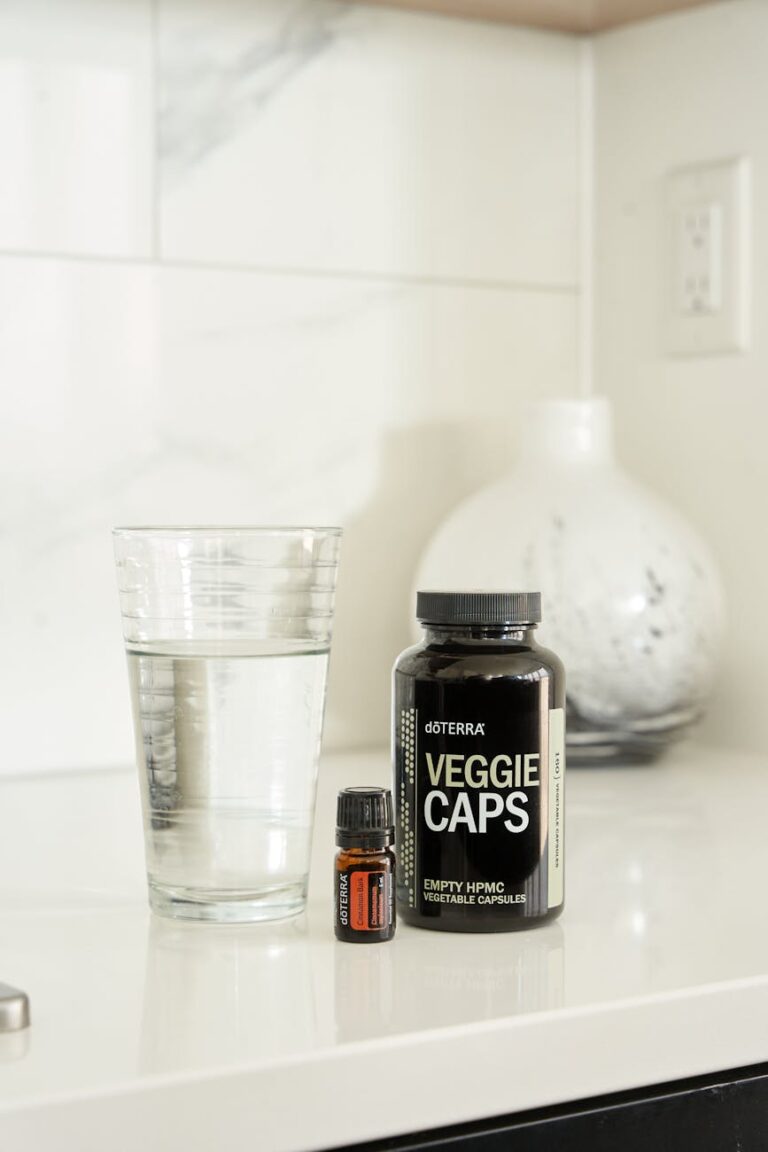
Ingestion is the most risky method of use and should not be done casually or based on general wellness advice. Essential oils are highly concentrated ‑ a small amount of some oils can be toxic internally. Peppermint oil capsules (enteric-coated) have been studied for irritable bowel syndrome in clinical settings, which is quite different from adding drops of oil to water at home. If you are considering internal use for a specific condition, this must be done under the supervision of a qualified healthcare provider familiar with therapeutic essential oil use.
How long does it take for essential oils to work?
For inhalation effects on mood and anxiety, many people notice a response relatively quickly ‑ within minutes ‑ because the olfactory pathway to the limbic system is fast and direct. For topical antimicrobial or anti-acne use, consistent application over several weeks is typically needed to see meaningful results. For sleep support, building a consistent nightly aromatherapy ritual tends to produce cumulative benefits as the brain forms conditioned associations between the scent and relaxation.
What is the best essential oil for beginners?
Lavender is almost universally recommended as the best starting point. It has the most research behind it, a wide range of uses, a generally well-tolerated safety profile for most adults, and is widely available in quality formulations. It is versatile enough to use in a diffuser, diluted in a carrier oil, or added to a bath. Starting with one or two well-studied oils and learning to use them properly is a smarter approach than collecting a large set and using them haphazardly.
Are expensive essential oils worth it?
Price alone is not a reliable indicator of quality, but very inexpensive oils are frequently adulterated or diluted. Oils like rose, neroli, and sandalwood require large quantities of plant material to produce even a small amount of pure oil, which makes genuinely pure versions inherently costly. For practical everyday use, mid-range oils from brands that publish GC/MS testing are generally a better value than either bargain bin options or premium luxury brands charging primarily for marketing. Prioritize transparency and testing documentation over packaging or brand status.
The Bottom Line
Essential oils offer real, evidence-supported benefits when used appropriately ‑ particularly for stress reduction, sleep support, headache relief, and certain antimicrobial applications. The key to getting value from them is using oils with the strongest research behind them, applying safe dilution and usage practices, maintaining realistic expectations about what they can and cannot treat, and sourcing from transparent, quality-conscious brands.
Think of essential oils as a complementary wellness tool ‑ one that can meaningfully enhance a healthy lifestyle and support specific symptoms, but one that works best alongside, not instead of, evidence-based medical care. Used thoughtfully, they can be a genuinely worthwhile addition to your daily wellness practice.