How Much Deep Sleep Do You Need? Your Complete Guide to Optimal Rest
TL;DR
Adults need 13-23% of their total sleep time in deep sleep stages, which equals roughly 62-110 minutes per night for someone getting 8 hours of sleep. Deep sleep serves as your body’s primary recovery period, occurring mainly in the first half of the night when growth hormone peaks and cellular repair processes operate at maximum efficiency. Your specific deep sleep needs vary based on age, lifestyle, and health status, with natural decline occurring as you get older.
Table of Contents
– Understanding Deep Sleep: The Foundation of Restorative Rest
– The Critical Difference: REM vs Deep Sleep Functions
– Age-Based Deep Sleep Requirements: From Infants to Seniors
– Infants and Toddlers (0-3 years)
– Children and Adolescents (4-17 years)
– Young Adults (18-39 years)
– Middle-Aged Adults (40-64 years)
– Older Adults (65+ years)
– Using Technology: Deep Sleep Calculator and Tracking Methods
– Interpreting Your Sleep Tracker Data
– What Constitutes Normal Variation
– Optimizing Your Sleep Architecture for Maximum Deep Sleep
– Timing Your Sleep Cycles
– Environmental Optimization
– Natural Strategies to Improve Deep Sleep Quality
– Exercise Timing and Intensity
– Nutrition and Hydration Strategies
– How Does Stress Affect Deep Sleep Duration?
– Deep Sleep Benefits: Why Quality Matters More Than Quantity
– Physical Recovery and Growth
– Cognitive Performance and Memory
– Immune System Support
– Healthy Sleep Patterns: Building Consistency for Better Deep Sleep
– Creating Your Optimal Sleep Schedule
– Pre-Sleep Routine Development
– Can You Train Your Body for More Deep Sleep?
– Special Considerations: Life Stages and Health Conditions
– Pregnancy and Deep Sleep Changes
– Shift Work and Irregular Schedules
– Medical Conditions Affecting Deep Sleep
– What Medications Impact Deep Sleep the Most?
– Troubleshooting Common Deep Sleep Problems
– Environmental Disruption Solutions
– Lifestyle Factor Assessment
– When to Seek Professional Help
– Why Do Some People Need Less Deep Sleep Than Others?
– Advanced Optimization: Technology and Professional Resources
– Professional Sleep Assessment
– Emerging Technologies and Treatments
– Frequently Asked Questions
– How much deep sleep should I get per night?
– Is 30 minutes of deep sleep enough?
– What happens if you don’t get enough deep sleep?
– Can you make up for lost deep sleep?
– Do deep sleep supplements actually work?
– How accurate are consumer sleep trackers for measuring deep sleep?
– Why does deep sleep decrease with age?
– Can exercise timing affect how much deep sleep I get?
—
Deep sleep represents one of the most critical phases of your nightly rest cycle, yet many people remain unclear about their specific requirements. Adults typically need 13-23% of their total sleep time in deep sleep stages, which translates to roughly 62-110 minutes per night for someone getting 8 hours of sleep. However, your individual needs depend on numerous factors including age, lifestyle, health status, and recovery demands.
Understanding Deep Sleep: The Foundation of Restorative Rest
Deep sleep, also known as slow-wave sleep or N3 sleep, occurs during the third stage of non-REM sleep and serves as your body’s primary recovery period. During this phase, your brain waves slow to delta frequencies (0.5-2 Hz), your body temperature drops, and critical restoration processes accelerate. Growth hormone release peaks, memory consolidation intensifies, and cellular repair mechanisms operate at maximum efficiency.
Sleep architecture research from the National Institute of Neurological Disorders and Stroke demonstrates that the sleep-immunity connection operates most powerfully during deep sleep stages, when your body produces infection-fighting cells and strengthens immune memory.
The Critical Difference: REM vs Deep Sleep Functions
While REM sleep handles emotional processing and creative problem-solving, deep sleep focuses on physical restoration and declarative memory consolidation.
The distinction matters because many people optimize for total sleep time without considering sleep stage distribution. Deep sleep predominantly occurs in the first half of the night, while REM sleep increases toward morning. This natural pattern explains why early sleep disruption affects physical recovery more than late-night interruptions.
Age-Based Deep Sleep Requirements: From Infants to Seniors
Infants and Toddlers (0-3 years)
Infants require the highest percentage of deep sleep, comprising approximately 25-30% of total sleep time.
This elevated need supports rapid brain development and physical growth. Newborns can accumulate 3-4 hours of deep sleep across multiple sleep periods, with gradual consolidation into nighttime patterns by 6 months.
Children and Adolescents (4-17 years)
School-age children maintain high deep sleep requirements of 20-25% of total sleep time.
Adolescents experience unique sleep architecture changes driven by hormonal shifts and delayed circadian rhythms. Despite biological tendencies toward later bedtimes, teens still need substantial deep sleep for growth hormone release and academic performance optimization.
Young Adults (18-39 years)
Healthy young adults typically achieve 15-20% of sleep time in deep sleep stages.
Career pressures, social obligations, and technology use can fragment this critical sleep stage. Managing workplace stress effectively becomes essential for maintaining optimal sleep architecture during these demanding years.
Middle-Aged Adults (40-64 years)
Deep sleep percentage naturally declines to 10-15% of total sleep time during middle age.
Hormonal changes, increased health conditions, and medication use contribute to this reduction. However, consistent sleep schedules and environmental optimization can help preserve deep sleep quality despite age-related changes.
Older Adults (65+ years)
Seniors typically experience the most significant deep sleep decline, often achieving only 5-10% of sleep time in deep stages.
This reduction correlates with increased sleep fragmentation, earlier bedtimes, and age-related neurological changes. While total deep sleep decreases, maintaining sleep consistency becomes increasingly important for cognitive function and health maintenance.
Using Technology: Deep Sleep Calculator and Tracking Methods
Interpreting Your Sleep Tracker Data
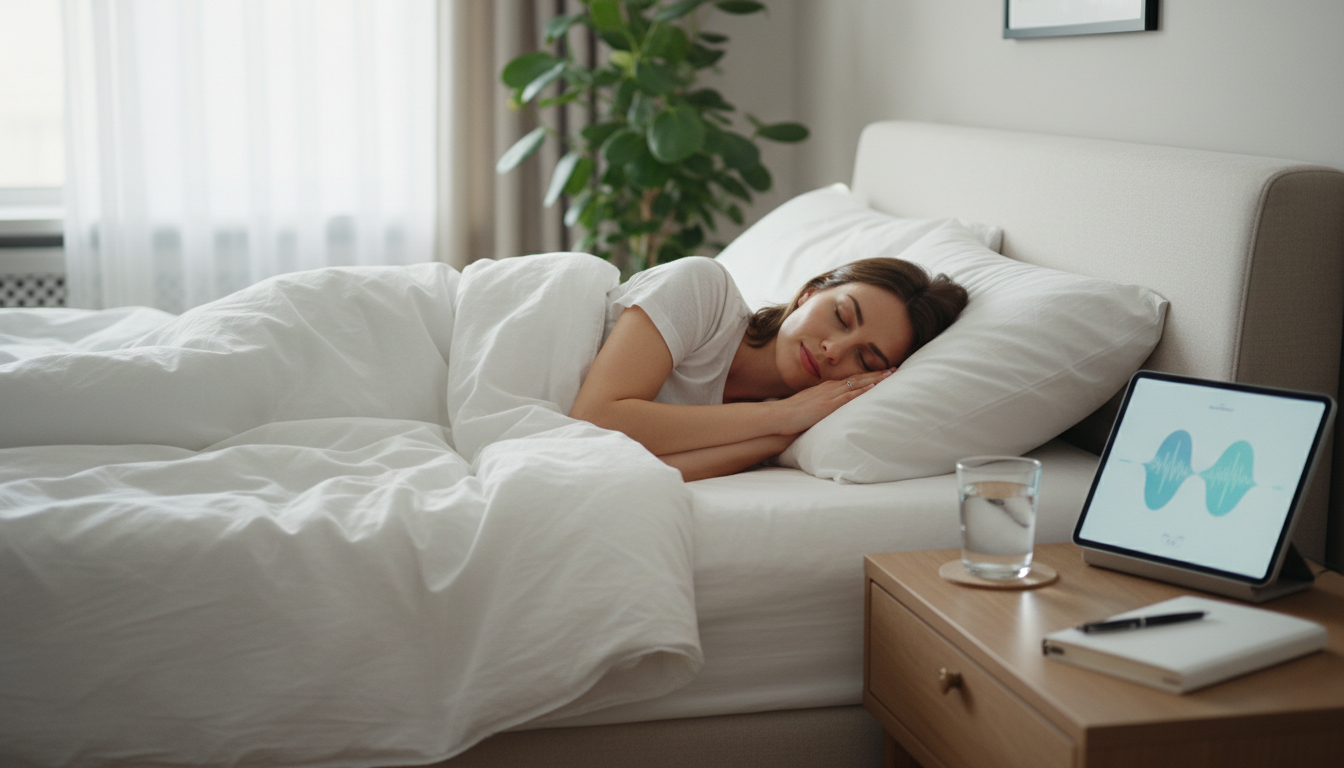
Consumer sleep trackers provide estimates based on movement patterns and heart rate variability, achieving roughly 80% accuracy for deep sleep detection.
Understand that these devices offer trends rather than medical-grade measurements. Focus on consistency patterns over absolute numbers, and use week-long averages for meaningful insights.
What Constitutes Normal Variation
Deep sleep varies by 20-30% nightly even in healthy individuals.
Stress, exercise timing, alcohol consumption, and room temperature all influence deep sleep duration. A “bad” night followed by increased deep sleep the next night represents normal homeostatic regulation.
Optimizing Your Sleep Architecture for Maximum Deep Sleep
Timing Your Sleep Cycles
Deep sleep predominantly occurs during the first 3-4 hours after sleep onset, making early bedtime crucial for maximizing these stages.
Aligning your schedule with natural circadian rhythms enhances deep sleep quality. Aim for bedtime between 9-11 PM to optimize growth hormone release and cellular repair processes.
Environmental Optimization
Room temperature between 65-68°F (18-20°C) promotes deeper sleep stages by supporting natural body temperature decline.
Blackout curtains, white noise machines, and comfortable mattresses create conditions conducive to sustained deep sleep. Even small environmental improvements can increase deep sleep duration by 10-15%.
Natural Strategies to Improve Deep Sleep Quality
Exercise Timing and Intensity
Moderate exercise 4-6 hours before bedtime increases deep sleep duration by up to 70% in some studies.
High-intensity exercise too close to bedtime can suppress deep sleep through elevated core temperature and stress hormones. Morning or afternoon workouts provide optimal benefits for nighttime sleep architecture.
Nutrition and Hydration Strategies
Magnesium-rich foods and complex carbohydrates consumed 3-4 hours before bedtime support deep sleep onset.
Avoiding large meals within 3 hours of sleep prevents digestive interference with deep sleep stages. Understanding proper nutrition timing can significantly impact your sleep quality and recovery.
How Does Stress Affect Deep Sleep Duration?
Chronic stress elevates cortisol levels, which directly suppress deep sleep stages and fragment sleep architecture.
Implementing natural anxiety relief strategies can help restore normal deep sleep patterns. Meditation, progressive muscle relaxation, and consistent bedtime routines all support stress reduction and improved sleep quality.
Deep Sleep Benefits: Why Quality Matters More Than Quantity
Physical Recovery and Growth
Growth hormone release peaks during deep sleep, reaching levels 3-5 times higher than waking hours.
This hormone drives muscle repair, bone strengthening, and tissue regeneration. Athletes and physically active individuals show increased deep sleep needs to support recovery demands.
Cognitive Performance and Memory
Deep sleep facilitates the transfer of information from temporary hippocampal storage to long-term cortical memory networks.
Studies demonstrate that people getting adequate deep sleep show 40% better learning retention compared to those with fragmented sleep. This consolidation process cannot be replicated during waking hours or other sleep stages.
Immune System Support
Deep sleep activates T-cell production and enhances vaccine effectiveness through optimized immune memory formation.
Research shows that people getting less than 6 hours of deep sleep weekly have 3x higher cold susceptibility compared to those achieving optimal deep sleep duration.
Healthy Sleep Patterns: Building Consistency for Better Deep Sleep
Creating Your Optimal Sleep Schedule
Consistent bedtime and wake times regulate circadian rhythms and improve deep sleep percentage over 2-3 weeks.
Even weekend schedule variations of more than 1 hour can disrupt deep sleep architecture. Prioritize schedule consistency over occasionally sleeping in to “catch up” on lost sleep.
Pre-Sleep Routine Development
A 30-60 minute wind-down routine signals your brain to begin deep sleep preparation through temperature regulation and hormone release.
Effective routines include dimmed lighting, light stretching, reading, or meditation. Avoid screens, intense conversations, or stimulating activities that elevate arousal levels.
Can You Train Your Body for More Deep Sleep?
While total deep sleep capacity has genetic limits, you can optimize your natural potential through consistent sleep hygiene and lifestyle modifications.
Sleep restriction therapy, where you temporarily limit sleep time to increase sleep drive, can improve deep sleep efficiency by 15-25% in some individuals.
Special Considerations: Life Stages and Health Conditions
Pregnancy and Deep Sleep Changes
Pregnancy hormones and physical discomfort typically reduce deep sleep percentage, especially in the third trimester.
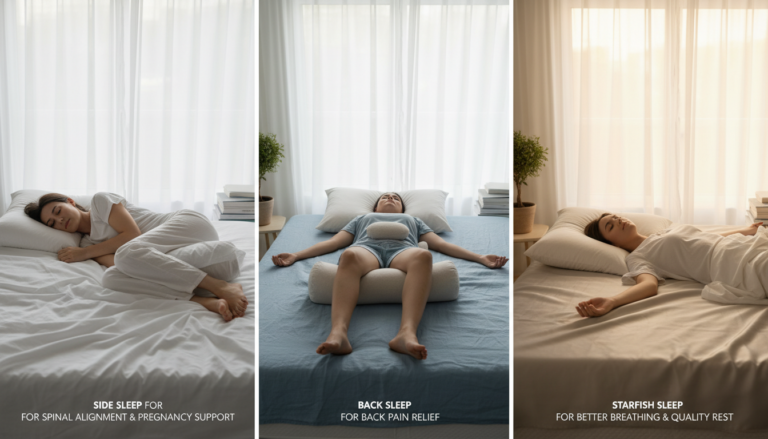
Side sleeping positions, pregnancy pillows, and cooler room temperatures can help maintain deep sleep quality during pregnancy. Postpartum sleep fragmentation may persist for 3-6 months as hormones normalize.
Shift Work and Irregular Schedules
Shift workers often achieve only 50-70% of the deep sleep obtained by traditional schedule workers due to circadian rhythm disruption.
Blackout curtains, strategic light exposure, and consistent sleep periods (even if during daytime) help optimize deep sleep for non-traditional schedules. Some shift workers benefit from split sleep schedules rather than single long sleep periods.
Medical Conditions Affecting Deep Sleep
Sleep apnea, chronic pain, and neurological conditions can reduce deep sleep percentage by 30-50%.
Treating underlying conditions often restores normal deep sleep patterns. CPAP therapy for sleep apnea, pain management strategies, and medication optimization all contribute to improved sleep architecture.
What Medications Impact Deep Sleep the Most?
Alcohol, benzodiazepines, and some antidepressants can suppress deep sleep stages despite increasing total sleep time.
Work with healthcare providers to optimize medication timing and explore alternatives that preserve natural sleep architecture. Some medications may need gradual withdrawal under medical supervision to restore normal deep sleep patterns.
Troubleshooting Common Deep Sleep Problems
Environmental Disruption Solutions
Noise levels above 40 decibels can fragment deep sleep even without fully waking you.
Earplugs, white noise machines, or addressing noise sources directly improve deep sleep continuity. Room temperature fluctuations greater than 3-4 degrees can also disrupt deep sleep stages.
Lifestyle Factor Assessment
Caffeine consumption after 2 PM can reduce deep sleep percentage by 15-20% even if you fall asleep normally.
Alcohol may initially promote sleepiness but significantly fragments deep sleep in the second half of the night. Evening screen exposure suppresses melatonin production and delays deep sleep onset.
When to Seek Professional Help
Consistent deep sleep below 5% of total sleep time, or persistent daytime fatigue despite adequate sleep duration, warrants professional evaluation.
Sleep studies can identify underlying disorders affecting deep sleep architecture. Utilizing digital mental health resources can also help address anxiety or stress factors impacting your sleep quality.
Why Do Some People Need Less Deep Sleep Than Others?
Genetic variations in sleep homeostasis and individual recovery needs create natural differences in deep sleep requirements.
Some people achieve adequate restoration with lower deep sleep percentages due to more efficient cellular repair processes or different lifestyle demands. However, most adults function best within the 13-23% range.
Advanced Optimization: Technology and Professional Resources
Professional Sleep Assessment
Polysomnography provides medical-grade deep sleep measurement and identifies specific disruption patterns.
Home sleep tests offer convenient alternatives for basic assessment, though they may miss some subtle deep sleep disruptions. Professional interpretation helps distinguish normal variation from pathological patterns.
Emerging Technologies and Treatments
Targeted acoustic stimulation during deep sleep phases can enhance slow-wave activity and improve memory consolidation.
Cooling mattresses, smart lighting systems, and wearable sleep optimization devices show promise for improving deep sleep quality. However, focus on fundamental sleep hygiene before investing in advanced technologies.
Frequently Asked Questions
How much deep sleep should I get per night?
Adults should aim for 13-23% of total sleep time in deep sleep, which equals 62-110 minutes for someone getting 8 hours of sleep.
This percentage naturally decreases with age, and individual needs vary based on lifestyle factors, health status, and recovery demands.
Is 30 minutes of deep sleep enough?
30 minutes of deep sleep falls below the recommended range for most adults and may indicate sleep fragmentation or underlying sleep disorders.
While some genetic variants may function adequately with lower deep sleep amounts, most people experience impaired physical recovery and cognitive performance with less than 60 minutes of deep sleep nightly.
What happens if you don’t get enough deep sleep?
Insufficient deep sleep impairs physical recovery, weakens immune function, and reduces memory consolidation.
Chronic deep sleep deficiency is associated with increased injury risk, slower healing, reduced vaccine effectiveness, and impaired learning retention.
Can you make up for lost deep sleep?
Your body can partially compensate for acute deep sleep loss through “rebound” deep sleep on subsequent nights.
However, chronic deep sleep debt cannot be fully recovered through weekend sleep-ins. Consistent nightly deep sleep provides optimal benefits for health and performance.
Do deep sleep supplements actually work?
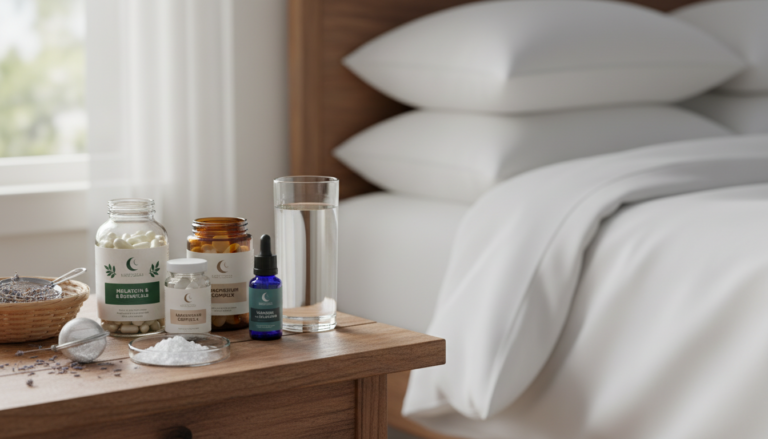
Magnesium, melatonin, and L-theanine show modest benefits for deep sleep in some individuals, but results vary significantly.
Supplements cannot replace proper sleep hygiene and may interact with medications. Consult healthcare providers before using sleep supplements, especially if you take other medications.
How accurate are consumer sleep trackers for measuring deep sleep?
Consumer sleep trackers achieve approximately 80% accuracy for deep sleep detection compared to professional polysomnography.
These devices provide useful trends but should not be considered medical-grade measurements. Focus on consistency patterns rather than absolute numbers.
Why does deep sleep decrease with age?
Aging affects brain structures responsible for generating slow-wave sleep, while hormonal changes and increased health conditions further reduce deep sleep.
This natural decline begins in the 30s and continues throughout life, though healthy lifestyle practices can help preserve deep sleep quality.
Can exercise timing affect how much deep sleep I get?
Exercising 4-6 hours before bedtime can increase deep sleep duration by up to 70%, while late evening exercise may suppress deep sleep.
Morning or afternoon workouts provide optimal benefits for nighttime deep sleep without interfering with natural temperature regulation and hormone cycles.