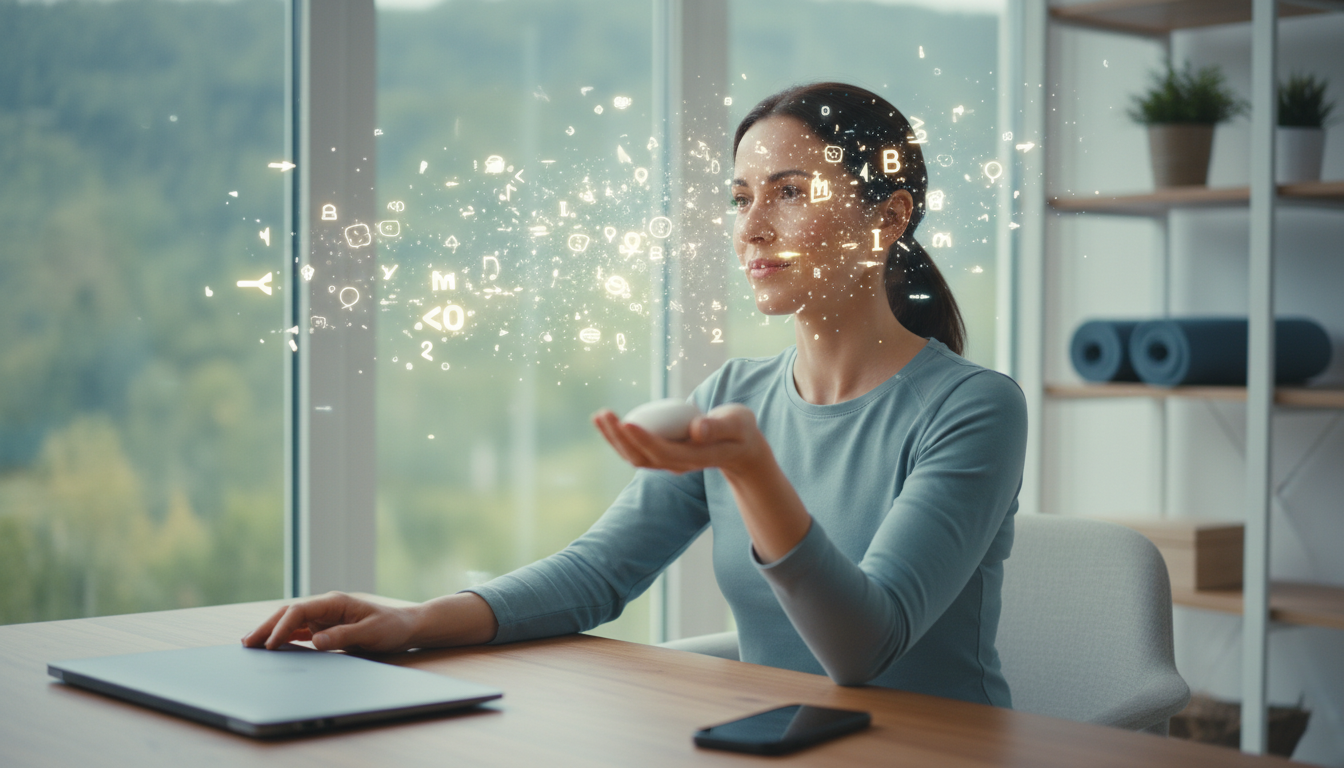
The Great Mental Declutter: How Post-Pandemic Brain Fog Sparked a .2 Billion Digital Detox Revolution
Sarah Chen used to pride herself on managing three client presentations while coordinating her daughter’s soccer schedule and planning dinner. But fourteen months after her COVID-19 infection, the 42-year-old marketing executive finds herself staring blankly at emails, forgetting meetings, and feeling like her brain is “wrapped in cotton.”
Chen is one of an estimated 65 million people worldwide experiencing persistent cognitive symptoms following COVID-19 infection, according to recent data from the World Health Organization. This cognitive dysfunction, commonly called “brain fog,” has coincided with what market researchers are calling the fastest-growing wellness sector of the decade: mental decluttering services.
From $2,000 “cognitive reset” retreats to AI-powered focus apps promising to “defragment your mind,” the global mental wellness market has exploded to $3.2 billion in 2024, representing a 180% increase since 2019. But as desperate consumers pour money into unproven solutions, a troubling pattern emerges: the most expensive interventions often lack scientific backing, while evidence-based treatments remain largely inaccessible.
The Perfect Storm: When Pandemic Brains Met Information Overload
Post-COVID brain fog affects approximately 34% of COVID-19 survivors within six months of infection, coinciding with an unprecedented 3.2-hour daily increase in screen time that persisted after lockdowns ended. This convergence of compromised cognitive capacity and increased digital consumption created the conditions for a $3.2 billion mental wellness industry explosion. The combination represents what researchers call “cognitive overload syndrome”—impaired brains attempting to function in environments of unprecedented information density.
First, research published in The Lancet00084-5/fulltext) found that 34% of COVID-19 survivors experience neurological or psychological symptoms within six months of infection, with cognitive impairment being the most commonly reported long-term effect.
Simultaneously, digital consumption skyrocketed. Data from the Centers for Disease Control and Prevention shows screen time among adults increased by an average of 3.2 hours daily during pandemic lockdowns—and never returned to pre-2020 levels.
“We’re seeing a population with compromised cognitive capacity trying to function in an environment of unprecedented information density,” explains Dr. Michelle Braun, a neuropsychologist at Johns Hopkins who studies post-viral cognitive symptoms. “It’s like asking someone with a sprained ankle to run a marathon.”
What are the most common symptoms of post-COVID brain fog?
Post-COVID brain fog manifests primarily as difficulty concentrating, working memory problems, mental fatigue, and cognitive overload syndrome—the inability to filter multiple information streams simultaneously. These symptoms are remarkably consistent across patients regardless of initial COVID-19 severity.
The symptoms are remarkably consistent across patients: difficulty concentrating, problems with working memory, mental fatigue, and what researchers term “cognitive overload syndrome”—the inability to filter and process multiple streams of information simultaneously. The relationship between social media use and mental health has become increasingly complex in the post-pandemic era.
The Billion-Dollar Promise: What’s Actually Being Sold
The mental decluttering industry now encompasses four primary sectors generating $3.2 billion annually: digital detox retreats ($1,500-$4,000 per week), cognitive training apps ($890 million revenue), nootropic supplements ($1.1 billion market), and professional mental decluttering coaches. These interventions range from scientifically-grounded to predatory, with premium pricing rarely correlating with evidence-based effectiveness. The luxury wellness resort Kamalaya in Thailand alone reports a 340% increase in bookings for their “Digital Wellness” packages since 2022.
Digital Detox Retreats: Premium facilities charging $1,500-$4,000 for week-long programs promising to “reset neural pathways.” The luxury wellness resort Kamalaya in Thailand reports a 340% increase in bookings for their “Digital Wellness” packages since 2022.
Cognitive Training Apps: Over 200 apps now claim to treat brain fog, generating $890 million in revenue last year. Popular platforms like “MindClear” and “CogniBoost” promise “neuroplasticity training” through gamified exercises.
Nootropic Supplements: The market for “cognitive enhancement” supplements reached $1.1 billion in 2024, with products specifically marketed to “long-COVID brain fog” sufferers.
Professional “Mental Decluttering” Coaches: Certification programs have spawned thousands of practitioners offering services ranging from “attention architecture consulting” to “cognitive load balancing.”
How effective are brain training apps for cognitive rehabilitation?
A systematic review analyzing 127 brain training apps found that only 8% provided any peer-reviewed evidence supporting their cognitive improvement claims. Most popular apps lack robust scientific validation despite sophisticated marketing using neuroscience terminology to create legitimacy.
The Science Check: Separating Signal from Noise
Most popular mental decluttering interventions lack robust scientific evidence, with systematic reviews showing only 8% of brain training apps providing peer-reviewed support for their claims. The majority of these products function as expensive placebos marketed to vulnerable populations desperate for cognitive improvement. The marketing exploits scientific-sounding language to create an illusion of legitimacy without substantive clinical validation.
The uncomfortable truth is that most popular mental decluttering interventions lack robust scientific evidence. A systematic review published in the Journal of Medical Internet Research analyzed 127 brain training apps and found that only 8% provided any peer-reviewed evidence for their claims.
“The majority of these products are essentially expensive placebos being sold to vulnerable people desperate for cognitive improvement,” says Dr. Adam Gazzaley, a neuroscientist at UC San Francisco who studies attention and cognitive control. “The marketing exploits scientific-sounding language to create an illusion of legitimacy.”
What Actually Works: The Evidence-Based Toolkit
Four interventions have strong scientific backing for treating post-COVID cognitive symptoms: structured sleep hygiene with cognitive behavioral therapy for insomnia, graduated aerobic exercise programs, mindfulness-based cognitive therapy, and environmental design modifications. Controlled trials show these evidence-based approaches significantly improve cognitive function, yet they remain underutilized compared to expensive unproven alternatives. Sleep optimization, progressive exercise, and attention regulation training demonstrate measurable improvements in brain fog sufferers.
Structured Sleep Hygiene: Research from the National Institutes of Health shows that quality sleep is crucial for clearing metabolic waste from the brain. Post-COVID patients with persistent cognitive symptoms often have disrupted sleep architecture that can be addressed through cognitive behavioral therapy for insomnia.
For those seeking complementary approaches, natural approaches to better sleep and evidence-based supplements may support professional treatment.
Graduated Aerobic Exercise: A controlled trial published in JAMA Neurology found that progressive aerobic exercise significantly improved cognitive function in long-COVID patients after 12 weeks.
For those working from home, finding creative ways to incorporate exercise into daily life can be particularly beneficial for cognitive rehabilitation.
Mindfulness-Based Cognitive Therapy: Meta-analyses in Clinical Psychology Review demonstrate consistent cognitive benefits, particularly for attention regulation and working memory.
Journaling practices for mental clarity can serve as a complementary tool to structured mindfulness interventions.
Environmental Design: Simple changes like reducing notification frequency, using website blockers during focused work, and creating phone-free zones show measurable improvements in sustained attention.
Can exercise really improve brain fog symptoms?
Yes, controlled clinical trials demonstrate that graduated aerobic exercise significantly improves cognitive function in long-COVID patients. A JAMA Neurology study found measurable cognitive improvements after 12 weeks of progressive aerobic exercise programs, making it one of the most evidence-supported interventions for post-viral brain fog.
Why does sleep matter for cognitive rehabilitation after COVID-19?
Quality sleep enables the brain to clear metabolic waste through the glymphatic system, a process often disrupted in post-COVID patients. Research shows that addressing disrupted sleep architecture through cognitive behavioral therapy for insomnia directly improves cognitive symptoms, making sleep optimization fundamental to brain fog recovery.
The Accessibility Gap: Why Evidence Doesn’t Equal Access
Evidence-based cognitive rehabilitation treatments face significant adoption barriers including months-long wait times at sleep clinics, limited insurance coverage for cognitive behavioral therapy, high costs for supervised exercise programs, and geographic accessibility challenges. Despite strong scientific support, structured interventions remain inaccessible to most brain fog sufferers while unproven expensive alternatives proliferate. This creates a paradox where the least effective treatments are most readily available to desperate patients.
The most effective interventions face significant barriers to adoption. Sleep clinics have months-long waitlists, cognitive behavioral therapy for insomnia is often not covered by insurance, and supervised exercise programs for post-viral patients remain scarce. Geographic accessibility presents additional challenges, with evidence-based cognitive rehabilitation services concentrated in major metropolitan areas.
Meanwhile, unproven digital products and supplements are instantly accessible with aggressive marketing targeting vulnerable populations. The accessibility gap ensures that those most in need of legitimate cognitive support often default to ineffective but readily available alternatives.
Frequently Asked Questions
What is post-COVID brain fog and how long does it last?
Post-COVID brain fog is a cognitive dysfunction characterized by difficulty concentrating, memory problems, and mental fatigue following COVID-19 infection. It affects approximately 34% of COVID survivors within six months of infection. Duration varies significantly—some patients recover within weeks while others experience persistent symptoms for 12-18 months or longer, qualifying as long-COVID cognitive impairment.
What are the best treatments for brain fog after COVID-19?
The most evidence-based treatments include structured sleep hygiene with cognitive behavioral therapy for insomnia, graduated aerobic exercise programs, and mindfulness-based cognitive therapy. Clinical trials show these interventions produce measurable cognitive improvements. Simple environmental modifications like reducing digital notifications and creating focused work periods also demonstrate effectiveness for managing cognitive overload syndrome.
Are digital detox retreats worth the cost for treating brain fog?
Most digital detox retreats lack peer-reviewed evidence supporting their cognitive improvement claims despite charging $1,500-$4,000 per week. While temporary breaks from technology may provide subjective relief, systematic reviews show minimal lasting cognitive benefits. Evidence-based alternatives like supervised exercise programs and cognitive behavioral therapy offer better outcomes at lower costs.
How does screen time affect post-COVID cognitive symptoms?
Excessive screen time exacerbates brain fog by increasing cognitive load on already compromised neural capacity. Adults increased screen time by 3.2 hours daily during lockdowns, levels that persisted post-pandemic. Reducing notification frequency, implementing website blockers, and creating phone-free zones show measurable improvements in sustained attention for those experiencing post-viral cognitive symptoms.
Do nootropic supplements help with long-COVID brain fog?
Most nootropic supplements marketed for brain fog lack robust clinical evidence despite generating $1.1 billion in annual revenue. Systematic reviews show the majority function as expensive placebos. Evidence-based interventions like sleep optimization, aerobic exercise, and mindfulness training demonstrate significantly better outcomes than cognitive enhancement supplements.
Can brain training apps improve cognitive function after COVID-19?
Only 8% of the 200+ brain training apps claiming to treat brain fog provide peer-reviewed evidence for their effectiveness. Most apps use neuroscience terminology to create legitimacy without substantive clinical validation. Evidence-based cognitive rehabilitation through structured therapy, exercise, and sleep interventions produces more reliable improvements than gamified brain training platforms.
What is cognitive overload syndrome?
Cognitive overload syndrome describes the inability to filter and process multiple information streams simultaneously, a primary symptom of post-COVID brain fog. It occurs when compromised cognitive capacity meets unprecedented information density from increased digital consumption. Environmental design changes and attention regulation training through mindfulness-based therapy show effectiveness in managing this condition.
How can I access evidence-based cognitive rehabilitation for brain fog?
Start by consulting a neuropsychologist or physician specializing in post-viral cognitive symptoms who can recommend appropriate interventions. Sleep clinics offer cognitive behavioral therapy for insomnia, while physical therapists can design graduated exercise programs. Many insurance plans cover these services, though wait times may be lengthy. Telehealth options have expanded access to mindfulness-based cognitive therapy.
Continue Reading
Similar Posts
Exploring the Connection Between Gut Health and Mental Wellbeing in 2026
Introduction The gut-brain axis represents a bidirectional communication system between the digestive tract and the brain, with mounting 2026 research showing that gut health directly influences mental wellbeing through the microbiome, immune pathways, and the vagus nerve. Understanding this connection has become essential for anyone seeking to improve their mental health through dietary and lifestyle…
The Best Mental Health Apps: Your Complete Guide to Digital Mental Wellness
TL;DR Mental health apps in 2026 have evolved into three main categories: consumer wellness apps for daily maintenance, clinical-grade therapy platforms connecting users with licensed professionals, and FDA-approved prescription digital therapeutics for specific conditions. The most effective approach combines AI-powered tools that provide 24/7 support and evidence-based interventions with human therapists for complex issues requiring…
The Complete Guide to Social Media Mental Health: Evidence-Based Strategies for Digital Wellness
TL;DR Social media platforms manipulate brain chemistry through dopamine reward systems and variable reinforcement schedules, creating behavioral patterns that negatively impact mental health through social comparison, attention fragmentation, and validation dependency. Research shows these platforms alter neural pathways in areas responsible for decision-making and emotional regulation, contributing to increased anxiety, mood disruption, and compulsive usage…
Essential Oils Benefits: Your Complete Evidence-Based Guide to Natural Wellness
TL;DR Essential oils provide scientifically-backed health benefits including anxiety reduction, improved sleep quality, pain relief, and immune support through bioactive compounds that interact with the brain’s limbic system and enter the bloodstream when inhaled or applied topically. Clinical research shows lavender reduces cortisol by 23%, bergamot lowers anxiety scores by 17%, and peppermint provides pain…
The Complete Guide to Workplace Stress Management: Transform Your Work Life Through Holistic Wellness
TL;DR Workplace stress affects 83% of American workers and triggers harmful physiological changes including elevated cortisol, disrupted sleep, and compromised immune function. The guide provides evidence-based strategies including nutritional approaches (adaptogenic foods, omega-3s, micronutrient support), stress management techniques, sleep optimization, and work-life boundary setting. Key takeaway: Combat workplace stress through a holistic approach combining proper…
Essential Preventive Health Tips: A Complete Guide for Modern Living
Preventive health focuses on maintaining wellness and preventing disease before it occurs, rather than treating illness after symptoms appear. This proactive approach emphasizes that small, consistent daily actions compound over time to create significant health benefits. Whether you’re a remote worker, managing a chronic condition, or working within budget constraints, effective preventive health tips are…