How to Read Nutrition Labels: Your Complete Guide to Making Informed Food Choices
TL;DR
Learning how to read nutrition labels effectively involves understanding serving sizes, daily value percentages, ingredient lists, and hidden sugars to make informed food choices. The key is to focus on serving size calculations first since all nutritional information relates to this portion, then check for added sugars and sodium content while being aware that manufacturers often use unrealistically small serving sizes. Master this skill by multiplying nutrition facts by your actual consumption and using the 5% (low) and 20% (high) daily value rule to quickly assess whether foods align with your health goals.
Table of Contents
- Understanding the Anatomy of Nutrition Labels
- What’s New in Current FDA Requirements
- Decoding Serving Sizes and Portion Reality
- Calculating Your Actual Intake
- Mastering Daily Value Percentages for Your Individual Needs
- Personalizing Daily Values
- The Ultimate Ingredient List Analysis Strategy
- Identifying Chemical Red Flags
- How Long Should an Ingredient List Be?
- Hidden Sugar Ingredients: The Sweet Deception
- Sugar Aliases to Remember
- Protein Quality Assessment: Beyond the Numbers
- Reading Between the Protein Lines
- Sodium Content Evaluation: The Silent Health Factor
- Hidden Sodium Sources
- Fiber Content Benefits: Your Digestive Health Ally
- Evaluating Fiber Quality
- Artificial Additives Identification: Chemical Awareness
- Natural vs. Synthetic Nutrients
- Your Nutrition Label Decoder: Practical Applications
- Reading Labels for Specific Dietary Needs
- Spotting Misleading Health Claims and Marketing Tricks
- Red Flag Marketing Terms
- Special Considerations for Gut Health and Inflammation
- Building a Gut-Friendly Shopping Strategy
- Frequently Asked Questions
- How often should I read nutrition labels when grocery shopping?
- What’s the most important part of a nutrition label to focus on first?
- How can I quickly identify if a food is highly processed when reading nutrition labels?
- Should I avoid all foods with artificial ingredients?
- How do I read nutrition labels when I have specific dietary restrictions?
- What’s the difference between “natural flavors” and “artificial flavors” on labels?
- How can I tell if a food contains too much added sugar?
- Why do serving sizes sometimes seem unrealistically small?
- Putting Your Knowledge into Action
Navigating the grocery store aisles can feel overwhelming when you’re trying to make healthy choices for you and your family. Learning how to read nutrition labels effectively empowers you to make informed decisions that align with your health goals. This comprehensive nutrition facts label guide will transform you from a confused shopper into a confident label detective.
With the latest FDA labeling requirements now fully implemented, understanding food labels has become both easier and more complex. The good news? Once you master these skills, you’ll never second-guess your food choices again.
Understanding the Anatomy of Nutrition Labels
The nutrition facts panel follows a standardized format designed to help consumers quickly identify key nutritional information. The FDA’s updated labeling requirements emphasize calories, added sugars, and nutrients Americans often consume in inadequate amounts.
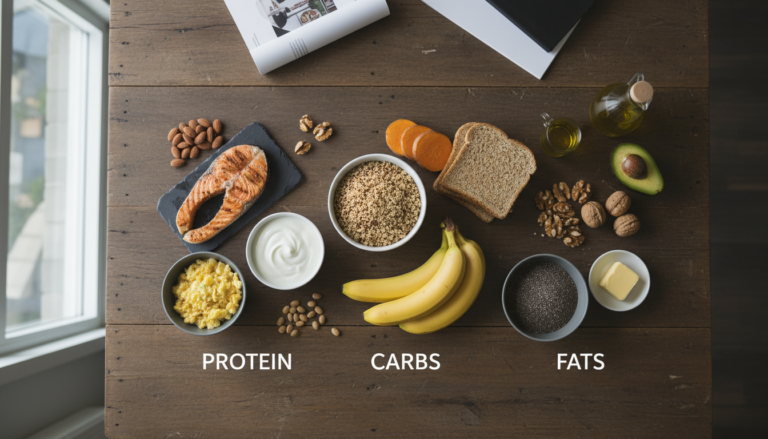
The nutrition label consists of several critical components: serving size information at the top, calorie content prominently displayed, macronutrient breakdowns (fats, carbohydrates, protein), micronutrient listings, and the ingredient list. Each section serves a specific purpose in helping you evaluate a food’s nutritional value.
According to the FDA, the current label format prioritizes information that public health experts consider most important for preventing diet-related chronic diseases. The label’s design emphasizes visual hierarchy, making calories and serving sizes more prominent than in previous versions.
What’s New in Current FDA Requirements
Recent FDA updates have transformed how nutrition information appears on food packages. The most significant changes include larger font sizes for calories, separate listings for added sugars, and updated daily value percentages based on newer scientific evidence.
These regulatory changes reflect growing concerns about dietary patterns that contribute to chronic diseases. Understanding FDA supplement safety guidelines helps contextualize why food labeling has become more stringent and consumer-focused.
Decoding Serving Sizes and Portion Reality
Serving sizes represent one of the most misleading aspects of nutrition labels because they often don’t reflect how people actually eat. Manufacturers strategically use smaller serving sizes to make nutritional profiles appear healthier than they are in practice.
The FDA bases serving sizes on reference amounts customarily consumed (RACCs), which are supposed to reflect typical consumption patterns. However, these amounts frequently underestimate real-world portion sizes, especially for snack foods, beverages, and packaged meals.
Calculating Your Actual Intake
To get accurate nutritional information, you must multiply the label values by how many servings you actually consume. For example, if a cereal box lists 110 calories per ¾ cup serving, but you typically eat 1½ cups, you’re consuming 220 calories, not 110.
This calculation becomes particularly important when evaluating sodium and sugar intake throughout the day. Many people unknowingly exceed recommended daily limits because they fail to account for actual portion sizes versus labeled serving sizes.
Mastering Daily Value Percentages for Your Individual Needs
Daily Value (DV) percentages provide a standardized reference point for evaluating nutrient content, but they’re based on a 2,000-calorie diet that may not match your individual needs. The 5%/20% rule offers a quick assessment tool: 5% DV or less is considered low, while 20% DV or more is considered high.
DV percentages help you quickly identify whether a food contributes significantly to your daily nutrient goals. For nutrients you want to limit (sodium, saturated fat, added sugars), choose foods with lower DV percentages. For beneficial nutrients (fiber, protein, vitamins), higher DV percentages indicate better nutritional value.
Personalizing Daily Values
Your individual calorie and nutrient needs may differ significantly from the standard 2,000-calorie reference used for DV calculations. Factors like age, sex, activity level, and health conditions influence your optimal intake levels.
For personalized nutrition guidance that goes beyond standard recommendations, consider consulting with healthcare providers who understand functional medicine approaches to individualized health. This can help you interpret nutrition labels within the context of your specific health goals.
The Ultimate Ingredient List Analysis Strategy
Ingredient lists reveal more about food quality than nutrition facts panels because they show actual food components in descending order by weight. The first few ingredients make up the majority of the product, making their quality crucial for overall nutritional value.
Look for whole food ingredients you recognize and can pronounce. When sugar appears in multiple forms throughout the list, the total sugar content is likely higher than the nutrition facts suggest. Similarly, when sodium appears in various chemical forms (sodium chloride, sodium citrate, sodium phosphate), the total sodium content adds up quickly.
Identifying Chemical Red Flags
Certain additives and preservatives may trigger adverse reactions in sensitive individuals or contribute to long-term health concerns. Common additives to monitor include artificial colors (Red 40, Yellow 6), preservatives (BHA, BHT, sodium benzoate), and flavor enhancers (MSG, artificial flavors).
While the FDA generally recognizes these additives as safe, some people experience headaches, digestive issues, or other symptoms from specific chemicals. Keep a food diary to identify potential connections between additives and how you feel.
How Long Should an Ingredient List Be?
Shorter ingredient lists typically indicate less processed foods, but length alone doesn’t determine nutritional quality. A homemade trail mix might have 10 whole food ingredients, while a vitamin-fortified cereal could have 30+ ingredients including beneficial nutrients.
Focus on ingredient quality rather than quantity. Whole foods, recognizable spices, and natural preservatives like vitamin E (mixed tocopherols) or vitamin C (ascorbic acid) are generally preferable to synthetic alternatives.
Hidden Sugar Ingredients: The Sweet Deception
Food manufacturers use dozens of different sugar names to disguise total sugar content and avoid having “sugar” appear as the first ingredient. Learning to identify these aliases helps you make informed decisions about your sugar intake.
The new “Added Sugars” line on nutrition labels helps identify sugars that don’t occur naturally in foods. However, you still need to recognize sugar aliases to understand ingredient quality and processing methods.
Sugar Aliases to Remember
Common sugar aliases include high fructose corn syrup, cane juice, brown rice syrup, agave nectar, coconut sugar, and anything ending in “-ose” (fructose, glucose, sucrose, maltose). Less obvious names include barley malt, fruit juice concentrate, and organic cane sugar.
Even “natural” sugars like honey, maple syrup, and date paste affect blood sugar similarly to refined sugars. The key difference lies in processing methods and trace nutrient content, not metabolic impact.
Protein Quality Assessment: Beyond the Numbers
Protein quantity on nutrition labels doesn’t tell the complete story about protein quality, amino acid profiles, or bioavailability. Different protein sources provide varying combinations of essential amino acids your body needs for optimal function.
Animal proteins (meat, dairy, eggs) typically provide complete amino acid profiles, while plant proteins may need combination with other sources to achieve completeness. However, many plant-based foods offer additional benefits like fiber and phytonutrients not found in animal products.
Reading Between the Protein Lines
When evaluating protein content, consider the protein-to-calorie ratio and accompanying nutrients. A food with 20 grams of protein and 200 calories provides better protein density than one with 10 grams of protein and 300 calories.
Look for minimal processing in protein sources. Whole food proteins generally provide better nutrition than highly processed protein powders or bars, though convenience products can fill gaps in busy lifestyles when chosen carefully.
Sodium Content Evaluation: The Silent Health Factor
Sodium content often surprises consumers because it appears in unexpected foods and accumulates quickly throughout the day. The recommended daily limit is 2,300mg, but most Americans consume significantly more due to processed food consumption.
Sodium serves multiple functions in processed foods: preservation, flavor enhancement, and texture modification. This means even sweet foods like cereals and baked goods may contain substantial sodium amounts.
Hidden Sodium Sources
Bread, deli meats, cheese, canned soups, and restaurant meals contribute more sodium to American diets than table salt. Condiments, salad dressings, and marinades also add significant amounts that many people don’t consider.
Pay attention to sodium per serving and multiply by your actual consumption. A seemingly reasonable 400mg sodium per serving becomes problematic if you eat three servings or combine it with other high-sodium foods throughout the day.
Fiber Content Benefits: Your Digestive Health Ally
Fiber content indicates potential digestive and metabolic benefits, but not all fiber sources provide equal health advantages. Soluble fiber helps regulate blood sugar and cholesterol, while insoluble fiber promotes digestive regularity.
Look for foods with at least 3 grams of fiber per serving to be considered a “good source” of fiber. Foods with 5+ grams per serving provide even better digestive and satiety benefits.
Evaluating Fiber Quality
Natural fiber from whole grains, fruits, and vegetables generally provides more health benefits than added functional fibers used in processed foods. While added fibers can contribute to daily intake goals, they may not provide the same prebiotic benefits as naturally occurring fibers.
Understanding how different fibers support gut microbiome health can help you choose foods that promote optimal digestive function and overall wellness.
Artificial Additives Identification: Chemical Awareness
Artificial additives serve various functions in processed foods, from preservation to color enhancement, but some individuals prefer to minimize their consumption for health or personal reasons. Understanding common additives helps you make informed choices aligned with your values.
Common categories include preservatives (extend shelf life), emulsifiers (improve texture), artificial colors (enhance appearance), and flavor enhancers (intensify taste). While generally recognized as safe, some people choose to avoid specific additives due to sensitivity or preference for minimally processed foods.
Natural vs. Synthetic Nutrients
Added vitamins and minerals can be naturally derived or synthetically produced, with varying bioavailability and absorption rates. Synthetic versions often cost less and have longer shelf lives, while natural versions may include cofactors that enhance absorption.
Fortified foods can help fill nutritional gaps but shouldn’t replace varied, whole food diets. Consider fortification as insurance rather than primary nutrition strategy.
Your Nutrition Label Decoder: Practical Applications
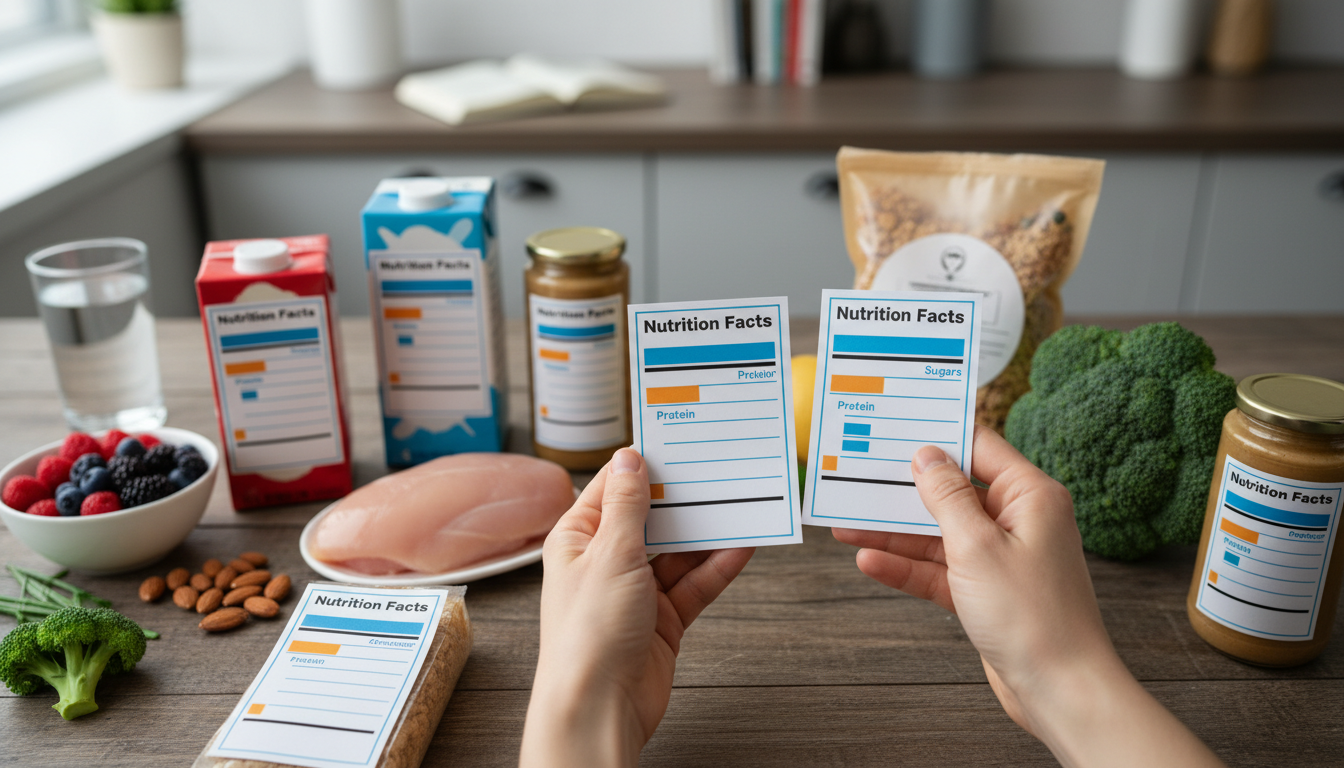
Developing a systematic approach to reading labels saves time and improves consistency in food choices. Start with serving size, check calories and key nutrients relevant to your goals, scan the ingredient list for quality markers, and compare similar products to find the best options.
Prioritize the nutrients most important for your health situation. Someone managing diabetes might focus on carbohydrates and fiber, while someone with high blood pressure might emphasize sodium content.
Reading Labels for Specific Dietary Needs
Different health conditions and dietary preferences require focused attention on specific label components. Gluten-free diets require careful ingredient scanning, while low-carb approaches emphasize net carb calculations.
Develop shortcuts for your specific needs. Create mental checklists of deal-breakers and must-haves to streamline grocery shopping decisions.
Spotting Misleading Health Claims and Marketing Tricks
Front-of-package health claims often emphasize positive attributes while downplaying less desirable aspects of food products. Terms like “natural,” “organic,” and “made with real fruit” can be technically accurate while still describing highly processed foods.
FDA regulations govern specific health claims, but marketing language often uses unregulated terms that sound healthy without meeting specific nutritional criteria. Always verify front-package claims by reading the actual nutrition facts and ingredient list.
Red Flag Marketing Terms
Be particularly cautious of products emphasizing what they don’t contain rather than positive nutritional attributes. “Fat-free” products often contain added sugars, while “sugar-free” options may include artificial sweeteners or sugar alcohols that affect some people negatively.
Terms like “lightly sweetened,” “reduced sodium,” and “made with whole grains” require verification through label reading to understand actual nutritional content.
Special Considerations for Gut Health and Inflammation
Certain ingredients may promote or reduce inflammation and affect gut microbiome balance, considerations that go beyond basic nutrition facts. Omega-3 fatty acids, fiber types, and probiotic cultures provide anti-inflammatory benefits, while excessive omega-6 oils and certain additives may promote inflammation.
Look for foods with prebiotic fibers, minimal processing, and anti-inflammatory ingredients like herbs and spices. Avoid excessive amounts of refined sugars and oils that may disrupt gut bacteria balance.
Building a Gut-Friendly Shopping Strategy
Focus on foods that support beneficial bacteria growth while minimizing ingredients that may disrupt digestive balance. Fermented foods, diverse fiber sources, and minimally processed options generally support gut health better than highly refined alternatives.
Consider how your food choices work together throughout the day. Supporting overall wellness involves looking at dietary patterns rather than individual foods in isolation.
Frequently Asked Questions
How often should I read nutrition labels when grocery shopping?
Read labels for new products you’re considering and periodically review familiar products, as formulations can change without notice. Once you’ve identified preferred brands and products, you can shop more efficiently while staying informed about your choices.
Focus label-reading energy on products you consume regularly or in large quantities, as these have the most significant impact on your overall nutrition.
What’s the most important part of a nutrition label to focus on first?
Start with serving size because all other nutritional information relates to this amount. If the serving size doesn’t match how you actually eat the food, you’ll need to adjust all other values accordingly.
After serving size, prioritize the nutrients most relevant to your health goals: calories for weight management, sodium for blood pressure concerns, or fiber for digestive health.
How can I quickly identify if a food is highly processed when reading nutrition labels?
Look for long ingredient lists with chemical names you don’t recognize, multiple forms of sugar or sodium, and artificial additives. Highly processed foods often have ingredients that wouldn’t be found in a typical home kitchen.
Compare the ingredient list to what you might use to make the food at home. The more the commercial version differs from homemade possibilities, the more processed it likely is.
Should I avoid all foods with artificial ingredients?
Complete avoidance isn’t necessary for most people, but awareness helps you make informed choices based on your preferences and health needs. Some artificial ingredients have excellent safety profiles, while others may cause reactions in sensitive individuals.
Focus on overall dietary patterns rather than perfection. If 80-90% of your diet comes from minimally processed foods, occasional products with artificial ingredients are unlikely to significantly impact health.
How do I read nutrition labels when I have specific dietary restrictions?
Develop a systematic scanning method for your specific restrictions, focusing on allergen statements, ingredient lists, and relevant nutrients. Many labels now include allergen callouts and dietary symbols to help identify suitable products quickly.
Consider using smartphone apps that can scan barcodes and filter products based on your dietary needs, but always verify by reading labels yourself for critical restrictions.
What’s the difference between “natural flavors” and “artificial flavors” on labels?
“Natural flavors” derive from plant or animal sources, while “artificial flavors” are chemically synthesized, but both undergo processing and may be chemically identical. The distinction relates to source material rather than safety or nutritional value.
Neither term tells you much about the actual flavor compounds used, as both natural and artificial flavors can involve complex chemical processing.
How can I tell if a food contains too much added sugar?
Check the “Added Sugars” line on the nutrition label and aim to keep total daily added sugar intake under 25 grams (6 teaspoons) for women or 36 grams (9 teaspoons) for men. Foods with more than 6-8 grams of added sugar per serving contribute significantly to daily limits.
Also scan ingredient lists for multiple sugar sources, which can indicate higher total sugar content than the nutrition facts might suggest at first glance.
Why do serving sizes sometimes seem unrealistically small?
Manufacturers may use smaller serving sizes to make nutritional profiles appear healthier, keeping calorie, sugar, and sodium numbers lower per serving. While FDA guidelines are based on consumption studies, companies often choose the smallest allowable serving size within acceptable ranges.
Always adjust nutrition calculations to match your actual consumption patterns rather than relying on the listed serving size for accurate nutritional assessment.
Putting Your Knowledge into Action
Mastering nutrition label reading transforms grocery shopping from guesswork into informed decision-making. Start by focusing on one or two key nutrients most important for your health goals, gradually expanding your analysis as label reading becomes more automatic.
Remember that nutrition labels provide information, but your overall dietary pattern matters more than perfection in individual food choices. Use your label-reading skills to build a foundation of nutritious foods while maintaining flexibility for enjoyment and convenience when needed.
Consider integrating your nutrition knowledge with other wellness practices like sustainable fitness routines and work-life balance strategies to create comprehensive health improvements that last.