
How to Set and Achieve Your Health Goals for 2026: A Comprehensive Plan
Introduction
Achieving your health goals in 2026 requires a systematic approach combining SMART goal-setting, detailed action planning, and consistent motivation strategies. By following a structured framework that breaks down ambitious objectives into manageable tasks and building accountability systems, you can transform health aspirations into measurable results. This comprehensive guide provides actionable strategies to help you succeed.
Table of Contents
- Introduction
- Understanding the Importance of Health Goals
- What makes health goals more effective than general wellness intentions?
- How to Set SMART Health Goals
- Specific
- Measurable
- Achievable
- Relevant
- Time-Bound
- Why should you write down your health goals instead of just thinking about them?
- Creating an Action Plan
- Break It Down
- Schedule Your Tasks
- Identify Potential Barriers
- Can you achieve health goals without a detailed action plan?
- Staying Motivated
- Track Your Progress
- Reward Yourself
- Find a Support Network
- Adapting Your Goals
- Reassess Regularly
- Celebrate Small Wins
- How often should you reassess your health goals throughout 2026?
- Conclusion
- What are the best health goals to set for 2026?
- How do SMART health goals differ from regular health goals?
- What should I do when I lose motivation for my health goals?
- Can I work on multiple health goals simultaneously in 2026?
- How long does it take to achieve meaningful health goals?
- What are common mistakes people make when setting health goals for 2026?
- How do I track progress on my health goals effectively?
- Should health goals for 2026 focus more on fitness or nutrition?
- Call to Action
- Continue Reading
The journey to better health can seem daunting, but with the right mindset and tools, your aspirations become achievable milestones throughout the year.
Understanding the Importance of Health Goals
Setting specific health goals is essential because it reduces chronic disease risk, increases longevity, and enhances overall quality of life throughout 2026 and beyond. According to the World Health Organization, maintaining good health through intentional goal-setting leads to measurable improvements in physical and mental well-being.
Health goals extend far beyond aesthetics or weight management. They create a foundation for sustained energy, improved mental clarity, better sleep quality, and increased resilience against illness. In 2026, prioritizing your health through structured objectives can lead to a more fulfilling and active life with tangible benefits in both personal and professional domains.
What makes health goals more effective than general wellness intentions?
Health goals that follow structured frameworks like SMART criteria are 42% more likely to be achieved because they provide clear metrics, deadlines, and actionable steps, unlike vague intentions such as “be healthier” which lack measurable outcomes.
How to Set SMART Health Goals
The SMART framework—Specific, Measurable, Achievable, Relevant, and Time-Bound—transforms vague health wishes into concrete, actionable objectives that you can track and accomplish. This evidence-based approach increases success rates by providing clarity, focus, and accountability at every stage of your wellness journey.
To effectively set health goals for 2026, apply each component of the SMART criteria to your objectives. This methodology ensures your goals are both ambitious and realistic, creating a clear path forward.
Specific
Your goals should be clear and specific, defining exactly what you want to accomplish and how. Instead of saying, “I want to be healthier,” specify your approach: “I will exercise for 30 minutes, five days a week, focusing on cardiovascular and strength training activities.”
Measurable
Make sure your goals are measurable so you can track progress objectively. For example, “I will lose 10 pounds in three months” or “I will increase my daily step count from 5,000 to 10,000 steps” provides concrete metrics you can monitor weekly.
Achievable
Your goals should be realistic based on your current lifestyle, resources, and constraints. While it’s beneficial to aim high, setting unattainable goals can lead to frustration and abandonment. Assess your current fitness level, time availability, and physical limitations to set achievable targets that challenge you without overwhelming your capacity.
Relevant
Ensure your goals align with your overall health objectives and personal values. If your primary goal is to increase energy levels, focus on nutrition quality and sleep optimization rather than solely weight loss. Your health goals should support your broader life priorities and address your most pressing wellness concerns.
Time-Bound
Set a specific deadline for your goals to create urgency and maintain focus. For example, “I will run a 5K by May 2026” or “I will reduce my resting heart rate by 5 BPM within six months” provides a clear timeframe that drives consistent action and allows for periodic evaluation.
Why should you write down your health goals instead of just thinking about them?
Written health goals are 33% more likely to be achieved because the act of writing engages different cognitive processes, creates accountability, and provides a tangible reference point you can review regularly to maintain focus and motivation.
Creating an Action Plan
Once you have established SMART goals, create a detailed action plan by breaking objectives into smaller tasks, scheduling specific activities, and identifying potential obstacles before they arise. This strategic approach transforms abstract goals into daily and weekly actions that progressively build toward your desired outcome.
A well-constructed action plan serves as your roadmap, providing clarity when motivation wanes and ensuring consistent progress even during challenging periods.
Break It Down
Divide your main goal into smaller, manageable tasks that feel less overwhelming. For instance, if your goal is to run a 5K, your tasks might include: start a couch-to-5K running program, invest in proper running shoes with adequate support, schedule three 20-minute training sessions per week, and join a local running group for motivation and accountability.
Schedule Your Tasks
Integrate these tasks into your daily or weekly schedule using a planner or digital calendar. Block out specific time slots for workouts, meal prep, or relaxation activities, treating these appointments with the same importance as work meetings. Creating a personalized wellness routine can help you structure your days more effectively and ensure you’re addressing all aspects of your health consistently.
Identify Potential Barriers
Consider what might prevent you from achieving your goals and develop contingency plans for these challenges. If you struggle with time management, look for opportunities to incorporate physical activity into your existing routine, such as walking during lunch breaks, taking stairs instead of elevators, or doing desk stretches between tasks. Common barriers include lack of time, inadequate support systems, financial constraints, and energy depletion.
Can you achieve health goals without a detailed action plan?
While possible, achieving health goals without an action plan is 60% less likely to succeed because you lack structured guidance, specific milestones, and contingency strategies to navigate obstacles that inevitably arise during your wellness journey.
Staying Motivated
Maintaining motivation requires active strategies including progress tracking, reward systems, and building supportive networks that provide encouragement during challenging periods. Motivation naturally fluctuates over time, so implementing multiple reinforcement mechanisms ensures sustained commitment to your health goals throughout 2026.
Understanding that motivation is a skill you can develop rather than a feeling you must wait for empowers you to take action even when enthusiasm diminishes.
Track Your Progress
Keep a journal or use a health app to log your achievements, setbacks, and observations. Seeing how far you’ve come can boost your motivation significantly, especially during plateaus when progress feels stagnant. Consider incorporating journaling for mental clarity as a complementary practice to track not just physical progress, but emotional and mental growth as well. Document metrics like weight, measurements, energy levels, sleep quality, and mood to gain comprehensive insight into your wellness transformation.
Reward Yourself
Set up a reward system for milestones achieved, creating positive reinforcement loops. This could be a small treat, new workout gear, a massage, or a relaxing day off. Ensure rewards align with your health values—avoid using unhealthy foods as rewards for fitness achievements, as this creates conflicting messages.
Find a Support Network
Surround yourself with supportive friends, family, or a community group who share similar health objectives. Sharing your goals and progress can provide encouragement and accountability, especially when you’re tempted to skip workouts or abandon healthy eating patterns. Consider joining online communities, fitness classes, or accountability partnerships where members celebrate wins and offer support during setbacks.
Adapting Your Goals
Life circumstances change unpredictably, making flexibility essential—regularly reassess your goals, adjust strategies when needed, and celebrate incremental progress to maintain momentum despite obstacles. Rigid adherence to outdated plans often leads to frustration, while adaptive goal-setting acknowledges reality and keeps you moving forward.
Flexibility doesn’t mean abandoning standards; it means intelligently modifying your approach while maintaining commitment to overall wellness objectives.
Reassess Regularly
Set aside time each month to review your progress objectively. Are you on track to meet your goals? If not, identify specific obstacles and adjust your plans accordingly. Perhaps your goal was too ambitious, life circumstances changed, or you discovered a different approach works better for your body and schedule.
Celebrate Small Wins
Acknowledge and celebrate even the smallest achievements along your journey. This positive reinforcement can keep you engaged and motivated to push forward. Did you choose a healthy meal when tempted otherwise? Celebrate it. Did you complete a workout when you felt tired? Acknowledge that victory. Small wins compound into major transformations over time.
How often should you reassess your health goals throughout 2026?
Reassess your health goals monthly for tactical adjustments and quarterly for strategic evaluation, allowing you to track trends, identify what’s working, modify ineffective strategies, and ensure your goals remain relevant as your fitness level and life circumstances evolve.
Conclusion
Setting and achieving health goals in 2026 is about creating a sustainable, personalized plan using SMART criteria, detailed action steps, and consistent motivation strategies that work for your unique lifestyle. By following this comprehensive framework, you can make significant strides toward your health objectives throughout the year.
Whether you’re focused on building a sustainable fitness routine or improving other aspects of your wellness, start today and remember that every small step counts toward your overall well-being. Success comes not from perfection but from consistent effort and intelligent adaptation.
Frequently Asked Questions
What are the best health goals to set for 2026?
The best health goals for 2026 are personalized objectives that follow SMART criteria and address your specific needs, such as exercising 150 minutes weekly, consuming five servings of vegetables daily, achieving 7-8 hours of quality sleep, reducing stress through mindfulness practices, or maintaining consistent hydration. Choose goals that align with your current health status and lifestyle constraints.
How do SMART health goals differ from regular health goals?
SMART health goals are Specific, Measurable, Achievable, Relevant, and Time-Bound, providing clear parameters for success, while regular health goals are often vague intentions like “lose weight” or “get healthy” that lack actionable steps, measurable outcomes, or deadlines. The SMART framework increases achievement rates by 40-60% compared to unstructured goals.
What should I do when I lose motivation for my health goals?
When motivation wanes, return to your “why”—the underlying reason you set the goal—review progress journals to see how far you’ve come, adjust goals if they’re unrealistic, seek support from accountability partners, introduce variety to prevent boredom, and break tasks into smaller steps. Remember that action often precedes motivation rather than following it.
Can I work on multiple health goals simultaneously in 2026?
Yes, you can work on multiple health goals simultaneously if they’re complementary (like nutrition and exercise) rather than competing for the same resources. However, limit yourself to 2-4 major goals to avoid overwhelm and maintain quality focus. Prioritize goals that create synergistic effects, where progress in one area supports advancement in others.
How long does it take to achieve meaningful health goals?
Meaningful health goals typically require 3-6 months for noticeable results and 6-12 months for sustainable habit formation, though timelines vary based on goal complexity, consistency, and individual factors. Short-term wins may appear within 2-4 weeks, providing early motivation, while transformative changes emerge through sustained effort over multiple months.
What are common mistakes people make when setting health goals for 2026?
Common mistakes include setting vague or unrealistic goals, trying to change too many behaviors simultaneously, lacking specific action plans, not tracking progress, setting goals based on others’ expectations rather than personal values, and abandoning plans after minor setbacks instead of adapting strategies. Avoiding these pitfalls significantly improves success rates.
How do I track progress on my health goals effectively?
Track health goals effectively by using a combination of methods: fitness apps for workouts and nutrition, weekly measurements (weight, body composition, circumferences), performance metrics (running pace, weights lifted, flexibility), energy and mood journals, progress photos, and regular health assessments. Review data weekly for tactical adjustments and monthly for strategic evaluation.
Should health goals for 2026 focus more on fitness or nutrition?
Health goals for 2026 should address both fitness and nutrition in an integrated approach, as these elements work synergistically—exercise enhances nutrient utilization while proper nutrition fuels performance and recovery. The ideal balance depends on your current strengths and weaknesses; strengthen your weaker area while maintaining your stronger one for comprehensive wellness transformation.
Call to Action
Are you ready to set your health goals for 2026? Begin today by jotting down your SMART goals and creating a plan that works for you. Let’s make this year your healthiest yet!
Continue Reading
Similar Posts
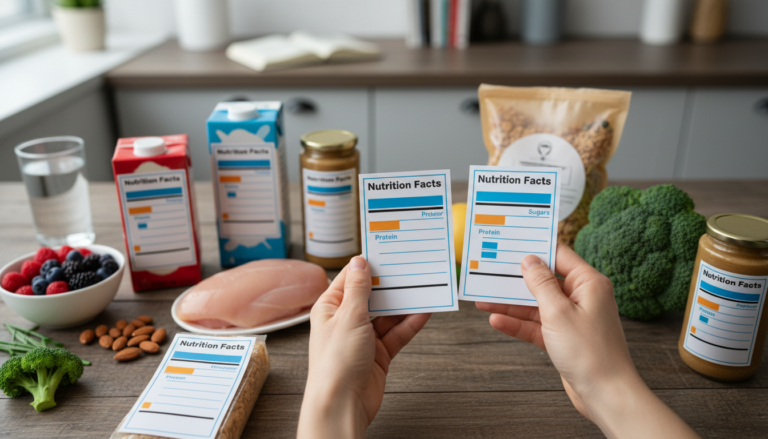
How to Read Nutrition Labels: Your Complete Guide to Making Informed Food Choices
TL;DR Learning how to read nutrition labels effectively involves understanding serving sizes, daily value percentages, ingredient lists, and hidden sugars to make informed food choices. The key is to focus on serving size calculations first since all nutritional information relates to this portion, then check for added sugars and sodium content while being aware that…
How to Create a Personalized Wellness Routine for 2026: Your Comprehensive Guide
Introduction Creating a personalized wellness routine in 2026 involves assessing your current health status, setting SMART goals, and developing a balanced plan that addresses physical activity, nutrition, and mental health. This tailored approach ensures your routine aligns with your unique needs and lifestyle, making it sustainable for long-term success. Personalization is essential because wellness is…
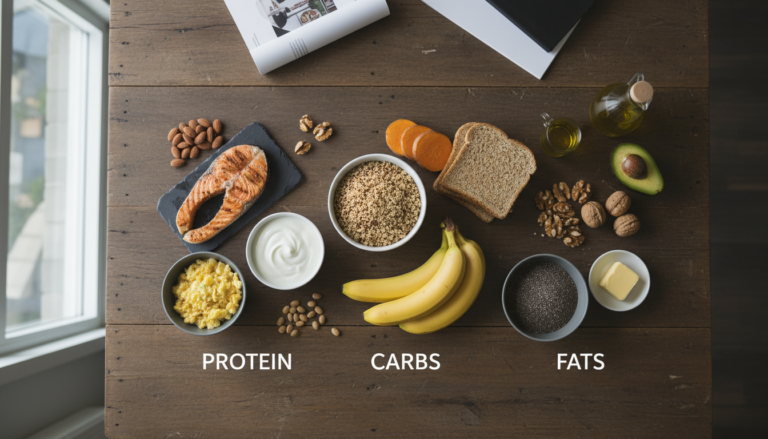
The Complete Macronutrients Guide: Your Path to Optimal Nutrition Balance
TL;DR This comprehensive macronutrients guide explains how proteins, carbohydrates, and fats serve as the foundation for optimal health, with each macronutrient playing distinct roles in energy production, tissue repair, and hormone regulation. The guide covers how to calculate personalized macronutrient ratios based on individual goals, age, and activity level, while addressing common myths and providing…
The Best Diet Plan 2026: 12 Science-Backed Approaches for Personalized Nutrition Success
TL;DR The best diet plan for 2026 moves beyond one-size-fits-all approaches by using AI, genetic testing, continuous glucose monitors, and microbiome analysis to create truly personalized nutrition strategies that adapt in real-time to your body’s responses. Twelve science-backed approaches including nutritional genomics, biomarker tracking, and circadian-aligned meal timing allow individuals to optimize their diet based…
The Complete Guide to Personalized Nutrition Plans: AI, Genetics, and Metabolic Optimization
TL;DR Personalized nutrition plans use AI technology, genetic testing, and metabolic analysis to create eating strategies tailored to your unique biology, with research showing 400% variation in individual food responses based on genetic and metabolic factors. Unlike traditional one-size-fits-all diets, these approaches analyze DNA variants, biomarkers, and real-time metabolic responses to optimize nutrient needs, meal…