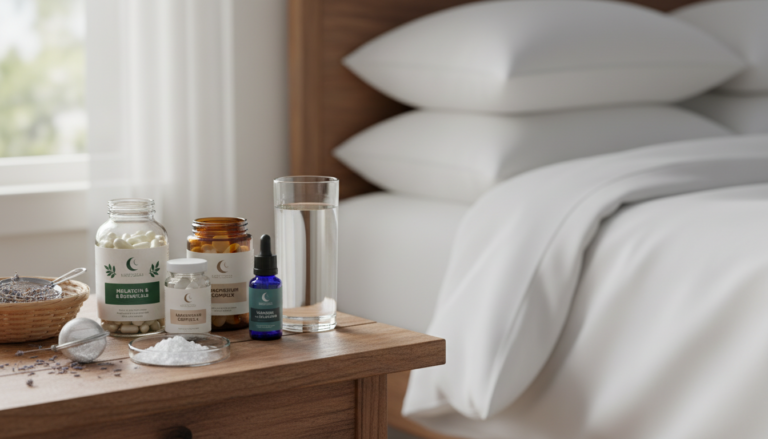

The 2026 Guide to Natural Supplements for Better Sleep
Introduction
Natural supplements like melatonin, magnesium, valerian root, chamomile, L-theanine, and CBD oil are scientifically-backed solutions for improving sleep quality in 2026. These supplements work by regulating sleep-wake cycles, reducing anxiety, and promoting relaxation. With nearly 70% of adults experiencing sleep disturbances, incorporating the right natural supplement into your nightly routine can significantly enhance both sleep duration and quality.
In today’s fast-paced world, achieving quality sleep has become a challenge for many. With 2026 bringing new insights into health and wellness, natural supplements are gaining traction as effective solutions for improving sleep quality. This comprehensive guide explores the best natural supplements available in 2026, their benefits, and how to incorporate them into your nightly routine for better sleep.
Understanding Sleep and Its Importance
Sleep is a complex biological process involving REM and non-REM stages that are essential for physical health, cognitive function, and emotional well-being. Inadequate sleep can lead to serious health issues including obesity, diabetes, heart disease, and mental health disorders. According to recent studies in 2026, nearly 70% of adults report experiencing sleep disturbances, highlighting the urgent need for effective solutions.
The Sleep Cycle
Sleep is not just a state of rest; it is a complex biological process that involves several stages, including REM (Rapid Eye Movement) and non-REM sleep. Each stage plays a crucial role in physical health, cognitive function, and emotional well-being.
The Consequences of Poor Sleep
Inadequate sleep can lead to various health issues, including obesity, diabetes, heart disease, and mental health disorders. According to recent studies in 2026, nearly 70% of adults report experiencing sleep disturbances, highlighting the urgent need for effective solutions.
What happens to your body during different sleep stages?
During non-REM sleep, your body repairs tissues, builds bone and muscle, and strengthens the immune system. REM sleep, occurring 90 minutes after falling asleep, is when the brain processes emotions, consolidates memories, and supports learning. Each complete sleep cycle lasts approximately 90-110 minutes and repeats 4-6 times per night.
Natural Supplements for Better Sleep in 2026
The most effective natural supplements for better sleep in 2026 include melatonin, magnesium, valerian root, chamomile, L-theanine, and CBD oil. These supplements have been extensively researched and proven to improve sleep quality through various mechanisms, from regulating circadian rhythms to reducing anxiety and promoting muscle relaxation. Each supplement offers unique benefits and can be used individually or in combination for optimal results.
1. Melatonin
Melatonin is a hormone that regulates sleep-wake cycles and is one of the most popular natural supplements for sleep. In 2026, research shows that melatonin can effectively reduce the time it takes to fall asleep and improve overall sleep quality. The supplement is particularly effective for jet lag, shift work sleep disorder, and delayed sleep phase syndrome.
– Dosage: The typical dosage ranges from 0.5 mg to 5 mg, taken 30 minutes before bedtime.
– Tip: Start with a lower dose and gradually increase if needed.
How does melatonin work for sleep?
Melatonin signals to your brain that it’s time to sleep by binding to receptors in the brain that help reduce nerve activity. It also decreases dopamine levels, which helps you relax and fall asleep. Natural melatonin production typically increases in the evening as darkness falls, peaking between 2-4 AM before declining toward morning.
2. Magnesium
Magnesium is a mineral that plays a vital role in sleep regulation, and studies in 2026 suggest that magnesium supplementation can help reduce insomnia symptoms and improve sleep quality. This essential mineral activates neurotransmitters responsible for calming the body and mind, including GABA (gamma-aminobutyric acid). Magnesium deficiency is common and often linked to poor sleep.
– Dosage: Aim for 200-400 mg of magnesium glycinate or citrate taken in the evening.
– Tip: Consider magnesium-rich foods like spinach, nuts, and avocados.
3. Valerian Root
Valerian root has been used for centuries as a natural remedy for sleep disorders and remains a popular choice in 2026. Research indicates that valerian root can reduce the time it takes to fall asleep and improve sleep quality, particularly for those struggling with insomnia. The herb works by increasing GABA levels in the brain, which produces a calming effect.
– Dosage: Typical dosages range from 300 mg to 600 mg taken 30 minutes to two hours before bedtime.
– Tip: Combine valerian root with passionflower for enhanced effects.
Can valerian root be taken with other sleep supplements?
Valerian root can be safely combined with other natural sleep aids like chamomile and passionflower for enhanced effects. However, avoid combining it with prescription sedatives or alcohol without consulting a healthcare provider. The herb may take 2-4 weeks of consistent use to reach full effectiveness, unlike fast-acting supplements like melatonin.
4. Chamomile
Chamomile is well-known for its calming effects, and recent studies indicate that chamomile tea or extract can help improve sleep quality and reduce anxiety. The flower contains apigenin, an antioxidant that binds to specific receptors in the brain that promote sleepiness and reduce insomnia. Chamomile has been used as a sleep aid for thousands of years across various cultures.
– Dosage: 200-400 mg of chamomile extract or one cup of chamomile tea before bedtime.
– Tip: Create a bedtime ritual by enjoying a warm cup of chamomile tea.
5. L-Theanine
L-Theanine is an amino acid commonly found in green tea that promotes relaxation without causing drowsiness. In 2026, it is recognized for its ability to enhance sleep quality by reducing stress and anxiety, improving both sleep latency and sleep duration. L-theanine increases alpha brain wave activity, which is associated with a relaxed but alert mental state.
– Dosage: 100-400 mg taken before bedtime.
– Tip: Pair L-theanine with a nighttime meditation practice for best results.
6. CBD Oil
Cannabidiol (CBD) oil has gained popularity for its potential benefits in managing anxiety and promoting better sleep, with many users in 2026 reporting improved sleep quality and reduced sleep disturbances. CBD interacts with the endocannabinoid system to regulate sleep-wake cycles, reduce anxiety, and alleviate pain that may interfere with sleep. Unlike THC, CBD is non-psychoactive and does not produce a “high.”
– Dosage: Start with 10-20 mg of CBD oil taken one hour before sleep.
– Tip: Look for full-spectrum CBD oils for synergistic effects.
What is the difference between CBD and melatonin for sleep?
CBD addresses sleep issues by reducing anxiety and pain that interfere with rest, while melatonin directly regulates the sleep-wake cycle. CBD may be more effective for those whose sleep problems stem from stress, chronic pain, or racing thoughts. Melatonin works best for circadian rhythm disorders, jet lag, or difficulty falling asleep at the desired time.
Lifestyle Tips for Better Sleep
Combining natural supplements with healthy sleep hygiene practices creates the most effective approach to improving sleep quality. Establishing consistent sleep schedules, optimizing your bedroom environment, limiting screen time, and practicing relaxation techniques work synergistically with supplements to enhance their effectiveness. Lifestyle modifications address the root causes of sleep disturbances while supplements provide additional support.
While natural supplements can aid in sleep improvement, a holistic approach is essential. Here are some actionable lifestyle tips:
1. Establish a Sleep Routine
Going to bed and waking up at the same time every day can help regulate your body’s internal clock. For those looking to optimize their entire day, consider creating a morning routine for optimal mental health as well.
2. Create a Sleep-Inducing Environment
Make your bedroom a sanctuary for sleep: keep it dark, cool, and quiet. Consider using blackout curtains, earplugs, or a white noise machine. Essential oils can also be incorporated into your wellness routine to create a calming atmosphere conducive to sleep.
3. Limit Screen Time Before Bed
The blue light emitted by screens can interfere with melatonin production. Aim to unplug at least one hour before bedtime.
4. Engage in Relaxation Techniques
Incorporate relaxation techniques such as deep breathing, yoga for stress relief, or meditation into your nightly routine to calm your mind.
How long before bed should you stop using electronic devices?
Experts recommend stopping all screen use at least 60-90 minutes before bedtime to allow natural melatonin production to increase. If you must use devices, enable blue light filters or wear blue-light-blocking glasses. The blue light spectrum (400-490 nm) suppresses melatonin production more than any other wavelength, disrupting circadian rhythms and delaying sleep onset.
Frequently Asked Questions About Natural Supplements for Better Sleep
What are the best natural supplements for sleep in 2026?
The most effective natural supplements for better sleep include melatonin for regulating sleep-wake cycles, magnesium for muscle relaxation and nervous system support, valerian root for reducing sleep latency, chamomile for anxiety reduction, L-theanine for stress management, and CBD oil for addressing pain and anxiety-related sleep disturbances. Each supplement works through different mechanisms, allowing for personalized approaches.
How long does it take for natural sleep supplements to work?
Melatonin typically works within 30-60 minutes of ingestion, while magnesium may show effects within a few days to two weeks. Valerian root often requires 2-4 weeks of consistent use for full benefits, and CBD oil effects can be noticed within 1-3 hours initially, with cumulative benefits developing over weeks. L-theanine and chamomile provide relatively fast-acting calming effects within 30-60 minutes.
Can you take melatonin and magnesium together for sleep?
Yes, melatonin and magnesium can be safely taken together and may provide synergistic benefits for sleep. Melatonin regulates your sleep-wake cycle while magnesium promotes physical relaxation and activates calming neurotransmitters. This combination is particularly effective for individuals with both circadian rhythm disruptions and muscle tension or anxiety that interferes with sleep.
Are natural sleep supplements safe for long-term use?
Most natural sleep supplements are generally safe for long-term use when taken at recommended dosages, though individual responses vary. Magnesium, chamomile, and L-theanine are considered safe for extended use. Melatonin should ideally be used intermittently rather than continuously, and valerian root may be cycled. Always consult a healthcare provider before starting any long-term supplement regimen, especially if you have underlying health conditions.
What natural supplement is most effective for insomnia?
Magnesium and valerian root are among the most effective natural supplements for chronic insomnia, with research showing significant improvements in sleep latency and quality. Magnesium addresses deficiencies that contribute to sleep difficulties, while valerian root increases GABA levels for calming effects. For best results, combine supplements with cognitive behavioral therapy for insomnia (CBT-I) and consistent sleep hygiene practices.
Can CBD oil help with sleep disorders?
CBD oil shows promise for various sleep disorders, particularly when sleep issues stem from anxiety, chronic pain, or PTSD. Research in 2026 indicates CBD can reduce sleep latency, increase total sleep time, and decrease nighttime awakenings. However, effectiveness varies by individual, dosage, and product quality. Full-spectrum CBD products may be more effective than CBD isolate due to the entourage effect.
Should you take natural sleep supplements every night?
The need for nightly supplementation depends on the specific supplement and underlying sleep issues. Magnesium can be taken daily as it addresses nutritional deficiencies. Melatonin is best used intermittently for specific situations like jet lag or schedule changes. Adaptogenic herbs like valerian root may be cycled to maintain effectiveness. Consult a healthcare provider to develop an appropriate supplementation schedule.
What is the recommended dosage of melatonin for better sleep?
The effective melatonin dosage ranges from 0.5 mg to 5 mg taken 30-60 minutes before bedtime. Most people should start with 0.5-1 mg and increase gradually if needed, as lower doses are often as effective as higher doses. Taking excessively high doses (10+ mg) can cause next-day grogginess and may disrupt natural melatonin production. Timing is more important than dosage for melatonin effectiveness.
Conclusion
In 2026, the quest for better sleep can be enhanced through natural supplements and lifestyle changes, with solutions like melatonin, magnesium, and chamomile leading to significant improvements in sleep quality. These evidence-based supplements offer safe, effective alternatives or complements to prescription sleep medications. Remember, individual responses to supplements may vary, so it’s important to consult with a healthcare professional before starting any new supplement regimen.
Prioritize your sleep, and enjoy the numerous benefits it brings to your overall well-being. By taking a comprehensive approach that includes these natural supplements along with a personalized wellness routine, you can achieve the restorative sleep your body needs.
Call to Action
Ready to improve your sleep? Start by trying one of the natural supplements mentioned above and incorporate the lifestyle tips for a restful night!