
The Complete Fitness Exercise Guide: Mind-Body Wellness Through Movement
TL;DR
This comprehensive fitness exercise guide presents movement as medicine for both physical and mental wellness, emphasizing the interconnected nature of exercise, sleep quality, stress management, and recovery protocols. The guide recommends beginners start with 20-30 minutes of activity 3-4 times per week, incorporating cardio, strength training, flexibility, and balance work while timing workouts to optimize circadian rhythms. Key takeaway: Exercise timing matters significantly—finish intense workouts 3-4 hours before bedtime to maximize both fitness benefits and sleep quality.
Table of Contents
- Understanding Exercise as Medicine for Mind and Body
- How Exercise Impacts Sleep Quality and Recovery
- Creating Your Personalized Beginner Workout Routine
- Building Your Home Fitness Program Foundation
- Essential Exercise Types and Their Unique Benefits
- Mastering Exercise Form and Technique for Safety
- Technology Integration for Form Correction in 2026
- Developing Effective Workout Plan Creation Strategies
- Aligning Workouts with Your Sleep Patterns
- How Does Exercise Timing Affect Sleep Quality?
- Smart Fitness Goal Setting for Long-Term Success
- Tracking Progress Beyond the Scale
- Strength Training Basics for Complete Wellness
- Age-Specific Exercise Modifications for Optimal Results
- Your Complete Cardio Exercise Guide
- Integrating Cardio with Stress Management
- Essential Fitness Motivation Tips for Consistency
- What Motivates People to Exercise Long-Term?
- Advanced Workout Recovery Methods
- Recovery Protocols That Support Sleep Quality
- How Long Should You Rest Between Workouts?
- Workplace Fitness Integration for Stress Management
- Creating Movement Opportunities in Your Schedule
- Building Sustainable Fitness Habits for Life
- What Exercise Habits Lead to Long-Term Success?
- Related Articles in This Series
- Continue Reading
Table of Contents
- Understanding Exercise as Medicine for Mind and Body
- How Exercise Impacts Sleep Quality and Recovery
- Creating Your Personalized Beginner Workout Routine
- Building Your Home Fitness Program Foundation
- Essential Exercise Types and Their Unique Benefits
- Mastering Exercise Form and Technique for Safety
- Technology Integration for Form Correction in 2026
- Developing Effective Workout Plan Creation Strategies
- Aligning Workouts with Your Sleep Patterns
- How Does Exercise Timing Affect Sleep Quality?
- Smart Fitness Goal Setting for Long-Term Success
- Tracking Progress Beyond the Scale
- Strength Training Basics for Complete Wellness
- Age-Specific Exercise Modifications for Optimal Results
- Your Complete Cardio Exercise Guide
- Integrating Cardio with Stress Management
- Essential Fitness Motivation Tips for Consistency
- What Motivates People to Exercise Long-Term?
- Advanced Workout Recovery Methods
- Recovery Protocols That Support Sleep Quality
- How Long Should You Rest Between Workouts?
- Workplace Fitness Integration for Stress Management
- Creating Movement Opportunities in Your Schedule
- Building Sustainable Fitness Habits for Life
- What Exercise Habits Lead to Long-Term Success?
- Frequently Asked Questions
Fitness isn’t just about building muscle or losing weight—it’s about creating harmony between your physical body and mental well-being. This comprehensive fitness exercise guide integrates movement with sleep optimization, stress management, and personalized recovery protocols to help you achieve sustainable, holistic wellness. Whether you’re establishing your first beginner workout routine or refining your existing home fitness program, understanding the interconnected nature of physical exercise and mental health forms the foundation of lasting transformation.
Your fitness journey extends far beyond the gym or living room workout space. It encompasses how exercise timing affects your circadian rhythms, how different exercise types benefits your stress levels throughout the day, and how proper workout recovery methods enhance both your sleep quality and next-day performance. By approaching fitness as a complete wellness system rather than isolated activities, you create sustainable habits that compound over time.
Understanding Exercise as Medicine for Mind and Body
Exercise functions as one of the most powerful tools for simultaneously improving physical health, mental clarity, and emotional resilience. When you engage in regular physical activity, your body releases endorphins, reduces cortisol levels, and activates neural pathways that enhance mood regulation and cognitive function.
The connection between movement and mental wellness operates on multiple levels. During cardio exercise, your brain increases production of brain-derived neurotrophic factor (BDNF), which supports neuroplasticity and memory formation. Strength training basics not only build muscle but also improve executive function and decision-making capacity. Research from the National Institute of Mental Health demonstrates that regular exercise produces antidepressant effects comparable to pharmaceutical interventions in many cases.
Your exercise timing plays a crucial role in optimizing these mental health benefits. Morning workouts can energize your day and improve focus, while evening sessions help process daily stress and prepare your mind for restorative sleep. Understanding these patterns allows you to design workout plan creation strategies that support your unique circadian rhythm and lifestyle demands. For those dealing with persistent mood challenges, exploring natural anxiety relief strategies alongside your fitness routine can provide additional mental health support.
How Exercise Impacts Sleep Quality and Recovery
Regular physical activity improves sleep onset, duration, and depth by regulating your body’s natural circadian rhythm and reducing stress hormones throughout your system. The relationship between exercise and sleep creates a positive feedback loop: better workouts lead to improved sleep, which in turn enhances recovery and next-day performance.
Timing your workouts strategically can significantly impact your sleep quality. Sleep optimization research shows that completing intense exercise sessions 3-4 hours before bedtime allows your core body temperature to cool naturally, signaling to your brain that it’s time for rest. This cooling process, combined with the natural release of adenosine during physical activity, creates ideal conditions for deep sleep phases that are crucial for muscle recovery and cognitive restoration.
Creating Your Personalized Beginner Workout Routine
Starting a fitness journey requires a structured approach that builds gradually while establishing sustainable habits from day one. Your beginner workout routine should incorporate four foundational elements: cardiovascular exercise, strength training, flexibility work, and balance training, each contributing to different aspects of your overall wellness.
Begin with 20-30 minutes of activity, 3-4 times per week, allowing your body to adapt while preventing burnout or injury. Focus on compound movements that work multiple muscle groups simultaneously—squats, push-ups, lunges, and planks provide maximum benefit with minimal complexity. This approach builds functional strength while teaching your body proper movement patterns that transfer to daily activities.
Building Your Home Fitness Program Foundation
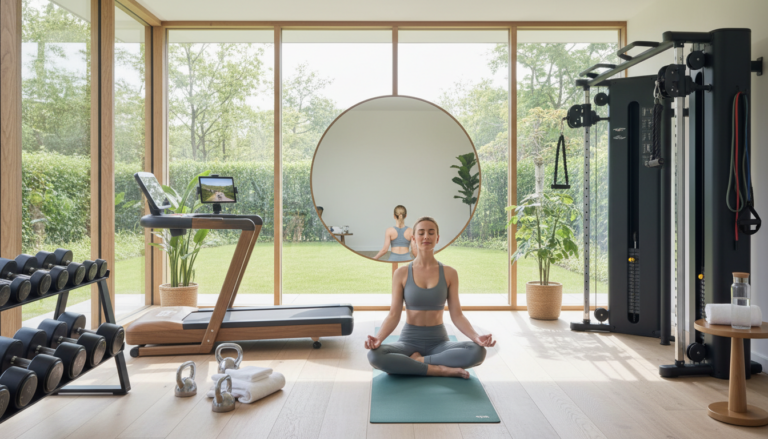
Creating an effective home fitness program eliminates common barriers like travel time, equipment costs, and schedule constraints while providing the privacy and convenience that many beginners need to build confidence. Your home setup doesn’t require expensive equipment—bodyweight exercises, resistance bands, and basic props like water bottles or towels can provide comprehensive workout options.
Start by designating a specific space for exercise, even if it’s just a corner of your living room. This physical boundary helps create a psychological association between the space and movement, making it easier to maintain consistency. Download fitness apps or bookmark online workout videos to provide structure and variety while you’re learning proper form and discovering which exercise styles you enjoy most.
Essential Exercise Types and Their Unique Benefits
Each exercise category provides distinct physiological and psychological benefits that contribute to your overall wellness in unique ways. Understanding these differences helps you create balanced routines that address all aspects of fitness while supporting your broader health goals.
Cardiovascular exercise strengthens your heart, improves oxygen delivery throughout your body, and releases mood-enhancing neurotransmitters. Strength training builds muscle mass, increases bone density, and boosts metabolism for hours after your workout ends. Flexibility work maintains joint mobility and reduces injury risk, while balance training improves proprioception and prevents falls as you age.
Mastering Exercise Form and Technique for Safety
Proper exercise form protects you from injury while maximizing the effectiveness of every movement, making it the most important skill to develop early in your fitness journey. Poor form not only increases injury risk but also creates compensation patterns that can lead to chronic pain and movement dysfunction over time.
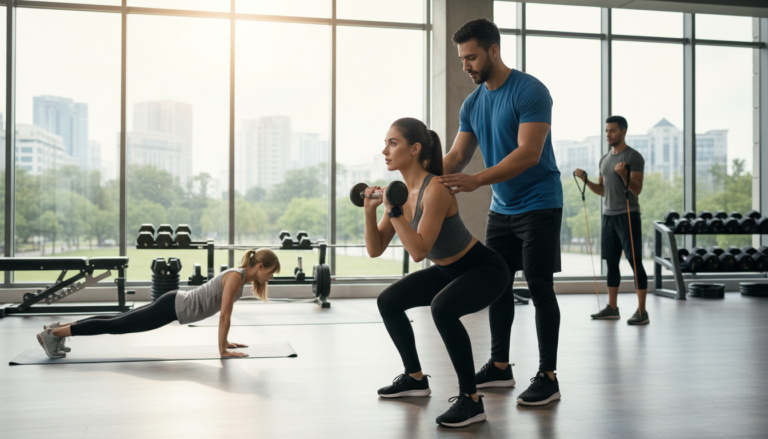
Prioritize quality over quantity in every workout. Performing 10 perfect push-ups provides greater benefit than struggling through 20 repetitions with compromised form. Start with bodyweight versions of exercises to master movement patterns before adding external resistance. Use mirrors, video yourself, or work with qualified trainers to identify and correct form issues before they become ingrained habits.
Technology Integration for Form Correction in 2026
Modern fitness technology offers unprecedented opportunities to receive real-time feedback on your exercise form, making professional-level coaching accessible from your home workout space. AI-powered fitness apps now use computer vision to analyze your movements and provide immediate corrections, while wearable devices track biomechanical data to identify imbalances or compensation patterns.
Consider investing in fitness apps that offer form analysis features, or use smartphone cameras to record your workouts for self-review. Many platforms now provide personalized coaching based on your movement patterns, helping you progress safely while building confidence in your technique. However, remember that technology supplements but doesn’t replace the value of learning to listen to your body and understand how proper movement should feel.
Developing Effective Workout Plan Creation Strategies
Successful workout plan creation balances structure with flexibility, providing clear guidance while adapting to your changing schedule, energy levels, and fitness progression. Your plan should serve as a roadmap rather than a rigid prescription, evolving as you grow stronger and more experienced.
Develop weekly templates that include all exercise types while allowing for modifications based on daily circumstances. Plan A might be your ideal 45-minute full workout, Plan B could be a 20-minute abbreviated version for busy days, and Plan C might focus on gentle movement and stretching when you’re tired or stressed. This approach maintains consistency while preventing the all-or-nothing mentality that derails many fitness journeys.
Aligning Workouts with Your Sleep Patterns
Synchronizing your exercise schedule with your natural circadian rhythms enhances both workout performance and sleep quality, creating a harmonious cycle that supports optimal recovery and energy levels. Your body’s core temperature, hormone levels, and neurotransmitter production fluctuate throughout the day, affecting your capacity for different types of physical activity.
Morning workouts can help establish consistent wake times while boosting alertness and mood for the day ahead. However, if you’re naturally a night owl, forcing early morning sessions may compromise both workout quality and adherence. Evening exercise can be highly effective for stress relief and muscle building, provided you finish intense sessions several hours before bedtime to allow proper cool-down.
How Does Exercise Timing Affect Sleep Quality?
The timing of your workouts significantly influences your sleep architecture, affecting how quickly you fall asleep, how deeply you sleep, and how refreshed you feel upon waking. Understanding these relationships allows you to strategically schedule exercise to support your sleep goals rather than interfere with them.
Intense exercise raises your core body temperature, heart rate, and stress hormone levels—all of which need time to return to baseline before optimal sleep can occur. Research suggests finishing vigorous workouts at least 3-4 hours before bedtime, while gentle activities like yoga or walking can actually promote better sleep when performed closer to bedtime. Pay attention to how different workout times affect your individual sleep patterns and adjust accordingly.
Smart Fitness Goal Setting for Long-Term Success
Effective fitness goal setting goes beyond aesthetic outcomes to encompass functional improvements, mental health benefits, and lifestyle enhancements that create lasting motivation and satisfaction. The most successful fitness journeys are driven by goals that align with your values and contribute to multiple areas of your life.
Set goals across different time horizons: daily process goals (like completing your planned workout), weekly achievement goals (such as trying a new exercise class), monthly progress goals (increasing weights or endurance), and quarterly outcome goals (running a 5K or mastering a challenging yoga pose). This multi-layered approach provides regular positive reinforcement while building toward significant long-term achievements.
Tracking Progress Beyond the Scale
Comprehensive progress tracking captures the full spectrum of fitness improvements, from physical performance gains to mental health benefits and quality of life enhancements. Relying solely on weight or appearance changes can be misleading and demotivating, as these metrics don’t reflect many of the most important benefits of regular exercise.
Track functional improvements like carrying groceries up stairs without getting winded, playing with your children without fatigue, or sleeping better after workout days. Note changes in mood, energy levels, stress management, and confidence. Document performance metrics like strength gains, endurance improvements, or flexibility increases. This holistic tracking approach reveals the true impact of your fitness efforts and maintains motivation during periods when traditional metrics plateau.
Strength Training Basics for Complete Wellness
Strength training forms the foundation of functional fitness, providing benefits that extend far beyond muscle building to include bone health, metabolic function, and mental resilience. Regular resistance exercise increases bone density, improves insulin sensitivity, boosts resting metabolic rate, and enhances cognitive function through increased BDNF production.
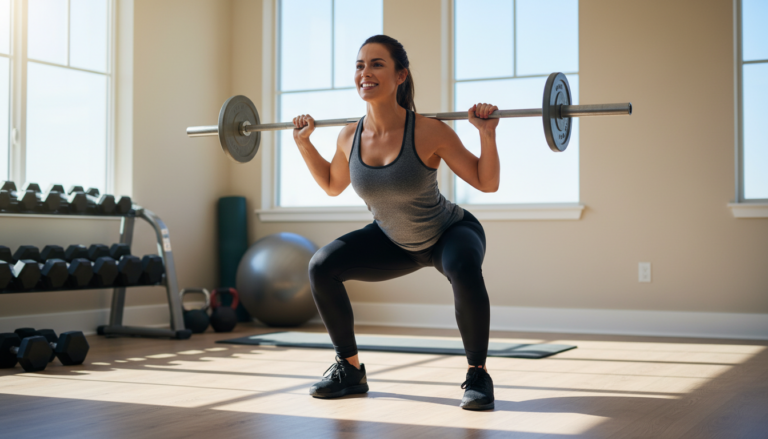
Begin with compound movements that work multiple muscle groups: squats, deadlifts, push-ups, rows, and overhead presses. These exercises teach your body to move as an integrated unit while providing maximum efficiency in your training time. Start with bodyweight versions to master movement patterns, then progress to added resistance using dumbbells, resistance bands, or other equipment as your strength and confidence grow.
Age-Specific Exercise Modifications for Optimal Results
Tailoring your exercise approach to your life stage optimizes safety and effectiveness while addressing the unique physiological and lifestyle challenges that emerge with age. What works best for a 25-year-old may not be ideal for a 45-year-old, and recognizing these differences prevents frustration while maximizing results.
Younger adults can typically handle higher training frequencies and more intensive sessions, while prioritizing variety and skill development. Middle-aged exercisers benefit from emphasizing strength training to counter age-related muscle loss, while incorporating adequate recovery time and joint mobility work. Older adults should focus on functional movements, balance training, and maintaining bone density while being mindful of recovery capacity and existing health conditions.
Your Complete Cardio Exercise Guide
Cardiovascular exercise encompasses far more than running on a treadmill—it includes any activity that elevates your heart rate and breathing while improving your body’s ability to deliver oxygen to working muscles. The best cardio program includes variety to prevent boredom while challenging your cardiovascular system in different ways.
Low-intensity steady-state cardio (like walking or easy cycling) builds your aerobic base while promoting fat oxidation and recovery. Moderate-intensity exercise (such as brisk walking or recreational sports) provides excellent health benefits with lower injury risk. High-intensity interval training (HIIT) maximizes time efficiency while improving both aerobic and anaerobic capacity, though it requires more recovery time.
Integrating Cardio with Stress Management
Cardiovascular exercise serves as one of the most effective natural stress management tools, providing both immediate stress relief and long-term resilience building against life’s challenges. The rhythmic, repetitive nature of many cardio activities creates a meditative state that calms the mind while the physical exertion helps metabolize stress hormones.
Choose cardio activities that you genuinely enjoy rather than forcing yourself through exercises you hate. Walking in nature, dancing to your favorite music, swimming, or playing recreational sports can provide excellent cardiovascular benefits while feeling more like recreation than work. For those dealing with work-related stress, incorporating workplace stress management strategies along with regular cardio can create a comprehensive approach to stress reduction.
Essential Fitness Motivation Tips for Consistency
Sustainable fitness motivation comes from building systems and environments that make exercise the easy choice while connecting physical activity to deeper values and meaningful goals. Relying purely on willpower or motivation creates an unstable foundation that crumbles during stressful or busy periods.
Create environmental cues that support your fitness goals: lay out workout clothes the night before, keep exercise equipment visible, or schedule workouts like important appointments. Build accountability through workout partners, fitness communities, or public commitments. Most importantly, connect your exercise routine to values beyond appearance—like being a positive role model for your family, maintaining independence as you age, or managing stress more effectively.
What Motivates People to Exercise Long-Term?
Long-term exercise adherence stems from intrinsic motivation factors like improved mood, increased energy, better sleep, and enhanced self-efficacy rather than external factors like weight loss or appearance changes. Understanding this shift helps you build sustainable motivation that persists through inevitable plateaus and life challenges.
Successful long-term exercisers typically report that physical activity becomes integral to their identity and daily routine rather than something they force themselves to do. They focus on how exercise makes them feel rather than how it makes them look, and they’ve developed flexible approaches that accommodate changing circumstances. Building this intrinsic motivation takes time but creates the foundation for lifelong fitness success.
Advanced Workout Recovery Methods
Effective recovery strategies are just as important as the workouts themselves, facilitating adaptation, preventing overtraining, and maintaining long-term exercise enthusiasm. Recovery encompasses sleep, nutrition, stress management, and active restoration techniques that help your body repair and strengthen between training sessions.
Prioritize sleep quality as your primary recovery tool—this is when your body produces growth hormone, consolidates motor learning, and repairs exercise-induced muscle damage. Adequate protein intake supports muscle protein synthesis, while staying hydrated facilitates nutrient transport and waste removal. Active recovery activities like gentle walking, stretching, or yoga promote blood flow without adding training stress.
Recovery Protocols That Support Sleep Quality
Strategic recovery protocols enhance both exercise adaptation and sleep quality by managing stress hormones, core body temperature, and nervous system activation levels. The right post-workout routine can significantly improve your sleep onset and depth while accelerating physical recovery.
Develop consistent post-workout routines that signal to your body that it’s time to shift into recovery mode. This might include gentle stretching, meditation, a warm shower or bath, or light reading. Avoid stimulating activities like intense social media use or work-related tasks immediately after exercise. Creating these buffer zones between high-intensity exercise and sleep preparation time supports your body’s natural recovery processes.
How Long Should You Rest Between Workouts?
Optimal rest periods between workouts depend on exercise intensity, training experience, age, stress levels, and individual recovery capacity rather than following rigid universal guidelines. Learning to read your body’s recovery signals helps you balance consistency with adequate restoration time.
General guidelines suggest 24-48 hours between intense strength training sessions for the same muscle groups, while allowing daily light cardio or flexibility work. However, factors like sleep quality, life stress, nutrition status, and overall health significantly impact your recovery capacity. Pay attention to indicators like resting heart rate, mood, energy levels, and motivation to gauge whether you’re ready for another challenging workout or need additional recovery time.
Workplace Fitness Integration for Stress Management
Integrating movement into your workday provides immediate stress relief while counteracting the negative health effects of prolonged sitting and mental fatigue. Workplace fitness doesn’t require gym access or special equipment—simple strategies can significantly impact your physical and mental well-being throughout the work day.
Implement micro-workouts during natural break periods: take walking meetings when possible, use stairs instead of elevators, do desk stretches every hour, or perform bodyweight exercises during lunch breaks. These brief activity bursts improve circulation, reduce muscle tension, enhance mental clarity, and provide stress relief without disrupting your work schedule.
Creating Movement Opportunities in Your Schedule
Successful schedule integration treats movement as a non-negotiable appointment with yourself while finding creative ways to incorporate activity into existing routines. Rather than waiting for perfect conditions or large blocks of free time, look for opportunities to add movement throughout your day.
Park farther away from destinations, take walking phone calls, do exercises while watching television, or bike to work if possible. Schedule exercise appointments in your calendar just like important meetings. Prepare backup plans for days when your primary workout isn’t feasible—keep resistance bands in your office, identify bodyweight routines you can do anywhere, or know where you can take a brisk walk near your workplace.
Building Sustainable Fitness Habits for Life
Sustainable fitness habits develop through small, consistent actions that gradually become automatic behaviors integrated into your daily routine rather than additional burdens requiring constant willpower. The most successful approach focuses on building systems and environments that support regular movement rather than relying on motivation or discipline alone.
Start with ridiculously small commitments that feel almost too easy—like doing five push-ups daily or walking for 10 minutes after dinner. This approach builds confidence and momentum while establishing the neural pathways associated with consistent action. As these micro-habits become automatic, gradually increase frequency, duration, or intensity while maintaining the same consistency that created your initial success.
What Exercise Habits Lead to Long-Term Success?
Long-term fitness success correlates strongly with flexibility, self-compassion, social support, and focus on process goals rather than rigid adherence to perfect programs. Successful exercisers develop adaptable approaches that accommodate life’s inevitable changes while maintaining consistent movement patterns.
Building multiple backup options for different circumstances creates resilience against common obstacles. Successful exercisers also practice self-compassion when they miss workouts or experience setbacks, viewing these as normal parts of the journey rather than failures. They often find ways to make exercise social and enjoyable, whether through workout partners, group classes, or family activities that incorporate movement.
Frequently Asked Questions
Q: How often should beginners exercise each week?
A: Beginners should aim for 3-4 exercise sessions per week, allowing at least one rest day between intense workouts. This frequency provides sufficient stimulus for adaptation while preventing overuse injuries and burnout.
Q: What’s the best time of day to exercise?
A: The best exercise time is when you can be most consistent. Morning workouts can boost energy and mood for the day, while evening sessions help relieve stress. Avoid intense exercise within 3-4 hours of bedtime to prevent sleep interference.
Q: How long before I see results from exercise?
A: You may notice improved energy and mood within 1-2 weeks, while visible physical changes typically appear after 4-6 weeks of consistent training. Strength and endurance improvements often occur within 2-4 weeks.
Q: Is it better to do cardio or strength training first?
A: Perform the type of exercise that aligns with your primary goals first, when you have the most energy. If both are equally important, alternate which you do first or separate them into different sessions.
Q: What should I eat before and after workouts?
A: Pre-workout, consume easily digestible carbohydrates 30-60 minutes before exercise. Post-workout, eat a combination of protein and carbohydrates within 30-60 minutes to support recovery and muscle protein synthesis.
Q: How do I stay motivated when progress slows down?
A: Focus on non-scale victories like improved energy, better sleep, or increased strength. Vary your routine to prevent boredom, set process goals rather than just outcome goals, and remember that plateaus are normal parts of fitness progression.
Related Articles in This Series
- Strength Training for Beginners: Your Complete Guide to Building Strength, Health, and Confidence
- HIIT vs Steady State Cardio: Your Complete Guide to Choosing the Right Cardio Method
- The Complete Home Gym Equipment Guide for Physical and Mental Wellness
- The Complete Guide to Proper Exercise Form: Master Safe and Effective Workouts
Continue Reading
Similar Posts
The Complete Home Gym Equipment Guide: Transform Your Space, Transform Your Wellness
TL;DR This comprehensive home gym equipment guide emphasizes matching equipment choices to your specific wellness goals, available space, and mental health needs across four core categories: cardiovascular training, strength training, flexibility/recovery, and functional movement tools. For budget-conscious buyers, the guide recommends prioritizing versatile, multi-functional equipment like resistance bands and adjustable dumbbells that provide maximum exercise…
The Complete Guide to Proper Exercise Form: Master Safe and Effective Workouts
TL;DR Proper exercise form is the foundation of safe and effective workouts, reducing injury risk by up to 60% while improving exercise effectiveness by 35-40%. Mastering fundamental movement patterns like squatting, hinging, pushing, and pulling requires understanding biomechanics, joint alignment, and core stability with proper breathing techniques. Prioritize movement quality over intensity and focus on…
5 Creative Ways to Incorporate Exercise into Your Daily Life in 2026
Introduction Incorporating exercise into your daily life in 2026 involves gamifying workouts, leveraging smart technology, adding movement to routine tasks, engaging in family fitness activities, and embracing micro-workouts. These five creative strategies help busy individuals maintain an active lifestyle without requiring extensive time commitments or gym memberships. By integrating physical activity seamlessly into existing routines,…
How to Stay Active While Working from Home in 2026: Tips and Tricks
Introduction Working from home in 2026 requires intentional strategies to stay active, as the convenience of remote work often leads to prolonged sitting and decreased physical movement. Incorporating regular movement breaks, creating an active workspace, and scheduling exercise into your daily routine can combat the sedentary lifestyle that comes with working from home. The following…
Why 2025’s Fitness Failures Are Reshaping How We Think About Exercise in 2026
Table of Contents – The Great Fitness Abandonment of 2026 – Why Traditional Fitness Models Failed Spectacularly – What Makes Micro-Commitments More Effective Than Traditional Workouts? – The Science Behind Micro-Commitment Success – The Chaos Adaptation Principle – How Does Biometric Training Improve Exercise Adherence? – The AI-Biometric Revolution Already Underway – Real-Time Adaptation Based…
Strength Training for Beginners: Your Complete Guide to Building Strength and Confidence
TL;DR Strength training for beginners involves exercising muscles against resistance to build strength, muscle mass, and bone density while offering benefits like improved sleep, immune function, and metabolic health. You can start with bodyweight exercises or light weights and progress gradually, with most people seeing results within 2-4 weeks of consistent training 2-3 times per…