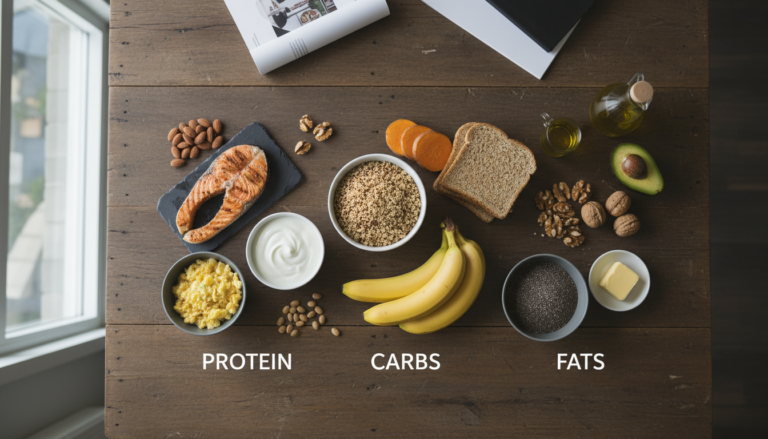

The Complete Guide to Personalized Nutrition Plans: AI, Genetics, and Metabolic Optimization
TL;DR
Personalized nutrition plans use AI technology, genetic testing, and metabolic analysis to create eating strategies tailored to your unique biology, with research showing 400% variation in individual food responses based on genetic and metabolic factors. Unlike traditional one-size-fits-all diets, these approaches analyze DNA variants, biomarkers, and real-time metabolic responses to optimize nutrient needs, meal timing, and food choices for each person. The key takeaway is that 78% of people following personalized nutrition maintain dietary changes beyond six months compared to just 23% following standard diet recommendations.
Table of Contents
- Understanding the Science Behind Personalized Nutrition
- How Genetic Variants Impact Nutrient Needs
- The Role of Microbiome Analysis
- How AI-Powered Nutrition Coaching Works in 2026
- Real-Time Adaptation Capabilities
- Integration Challenges and Solutions
- Genetic Testing vs Traditional Nutrition Counseling: Cost-Benefit Analysis
- Subscription-Based vs One-Time Testing Models
- What Does Genetic Testing Actually Tell You?
- Key Biomarkers for Effective Personalized Nutrition
- Inflammatory Markers and Food Responses
- Micronutrient Testing Beyond Basics
- How Often Should You Test Biomarkers?
- Interpreting Conflicting Results from Different Companies
- Common Areas of Disagreement
- What to Do When Results Conflict
- Custom Meal Planning: From Data to Plate
- Building Your Personal Food Database
- Meal Timing and Frequency
- Why Personalized Nutrition Plans Fail After 90 Days
- The Implementation Gap
- Building Sustainable Systems
- Privacy and Data Security in Genetic Nutrition Testing
- What Happens to Your Data
- Protecting Your Genetic Privacy
- People Also Ask
- How accurate are DNA-based nutrition recommendations?
- Can personalized nutrition help with weight loss?
- How much does comprehensive personalized nutrition testing cost?
- Is personalized nutrition covered by insurance?
- Metabolic Health Optimization Through Precision Nutrition
- Insulin Sensitivity and Meal Timing
- Supporting Healthy Lipid Metabolism
- Frequently Asked Questions
- How long does it take to see results from personalized nutrition plans?
- Can personalized nutrition plans help with specific health conditions?
- How do I know if personalized nutrition is worth the investment?
- What’s the difference between nutrigenomics testing and food sensitivity testing?
- How do personalized nutrition plans account for changing life circumstances?
- Can family members share personalized nutrition recommendations?
- What happens if I don’t like the foods recommended by my personalized nutrition plan?
- How accurate are at-home biomarker testing kits for personalized nutrition?
Personalized nutrition plans represent the most significant advancement in dietary science, combining AI technology, genetic testing, and metabolic analysis to create eating strategies tailored specifically to your body’s unique needs. Unlike traditional one-size-fits-all diets, these sophisticated approaches analyze everything from your DNA to your daily biomarkers, creating meal plans that work with your biology rather than against it.
The field has evolved dramatically, with 10 wellness tech platforms already shaping 2026’s health revolution now processing millions of data points to generate recommendations that adapt in real-time. As researchers at the National Institutes of Health have demonstrated, individual responses to identical foods can vary by up to 400% based on genetic and metabolic factors.
This transformation addresses a critical problem: traditional nutrition advice fails because it treats all bodies the same. Modern functional medicine platforms are transforming root-cause healthcare by recognizing that your genetic variants, microbiome composition, metabolic rate, and even sleep patterns all influence how you process nutrients.
Understanding the Science Behind Personalized Nutrition
Personalized nutrition rests on the foundation that genetic variations affect how your body processes different nutrients, from caffeine metabolism to vitamin D absorption. Your DNA contains specific variants that determine enzyme production, receptor sensitivity, and metabolic pathways—all factors that influence your nutritional needs.
How Genetic Variants Impact Nutrient Needs
Single nucleotide polymorphisms (SNPs) represent the most common type of genetic variation, occurring roughly once every 300-1000 base pairs throughout the human genome. These variants directly impact how efficiently your body processes specific nutrients.
For instance, the MTHFR gene variants affect folate metabolism, with approximately 40% of the population carrying at least one variant that reduces methylation efficiency by 30-70%. This means standard folate recommendations may be inadequate for nearly half the population, requiring methylated folate supplements instead.
Similarly, variants in the APOE gene influence how your body processes dietary fats. People with the APOE4 variant (present in 25% of the population) show heightened sensitivity to saturated fat, requiring different dietary fat ratios compared to those with APOE2 or APOE3 variants.
The Role of Microbiome Analysis
Your gut microbiome serves as a second genome, containing genes that outnumber human genes by 100:1. The bacterial species composition in your intestines directly affects nutrient absorption, inflammation levels, and even neurotransmitter production.
Recent advances in microbiome ecosystem rebuilding have revealed that personalized nutrition must account for bacterial diversity, with different bacterial strains requiring specific prebiotic fibers to thrive. For example, Bifidobacterium longum responds well to resistant starch from green bananas, while Akkermansia muciniphila thrives on polyphenols from pomegranates and cranberries.
How AI-Powered Nutrition Coaching Works in 2026
AI nutrition platforms now integrate multiple data streams to create dynamic meal recommendations that adjust based on real-time feedback from wearable devices, food logging, and periodic biomarker testing. These systems use machine learning algorithms trained on massive datasets to identify patterns that human nutritionists might miss.
Real-Time Adaptation Capabilities
Modern AI coaching systems monitor continuous glucose monitors, heart rate variability, sleep quality metrics, and stress indicators to adjust daily meal recommendations. If your glucose response to oatmeal spikes higher than predicted, the algorithm automatically reduces recommended serving sizes and suggests protein additions to blunt the glycemic impact.
These platforms also incorporate environmental factors like seasonal produce availability, travel schedules, and local restaurant options to maintain nutrition goals regardless of circumstances.
Integration Challenges and Solutions
The primary challenge facing AI nutrition platforms involves data integration across multiple devices and testing companies. Different glucose monitors use varying calibration methods, while genetic testing companies focus on different SNP panels.
Successful platforms address this by establishing standardized data formatting protocols and maintaining extensive databases that translate results across different testing methodologies. They also implement confidence scoring systems that weight recommendations based on data quality and consistency.
Genetic Testing vs Traditional Nutrition Counseling: Cost-Benefit Analysis
The economics of personalized nutrition have shifted dramatically as genetic testing costs have plummeted from thousands of dollars to under $200 for comprehensive panels. However, the true value lies not in the testing itself but in the ongoing interpretation and application of results.
Subscription-Based vs One-Time Testing Models
Traditional genetic testing follows a one-time payment model, providing a static report based on your DNA. However, subscription-based platforms offer ongoing interpretation updates as new research emerges, making previously purchased genetic data increasingly valuable over time.
Subscription models typically cost $30-80 monthly but include meal planning, recipe databases, shopping lists, and regular biomarker tracking. The cumulative annual cost often matches what many people spend on failed diet programs or unnecessary supplements.
What Does Genetic Testing Actually Tell You?
Genetic testing reveals predispositions rather than certainties. For example, testing might show you have a variant associated with slower caffeine metabolism, suggesting you’re more likely to experience anxiety or sleep disruption from afternoon coffee consumption.
However, genetic expression is influenced by environmental factors, meaning your actual caffeine sensitivity depends on stress levels, liver health, and other concurrent medications or supplements. Effective personalized nutrition platforms combine genetic data with phenotypic testing (actual measurements) to provide actionable recommendations.
Key Biomarkers for Effective Personalized Nutrition
Biomarker testing transforms genetic predictions into current metabolic reality. While genetics tell you what might happen, biomarkers reveal what is happening right now in your body.
Inflammatory Markers and Food Responses
Chronic inflammation underlies most diet-related health issues, making inflammatory markers crucial for personalizing nutrition plans. High-sensitivity C-reactive protein (hs-CRP) indicates systemic inflammation, while interleukin-6 and tumor necrosis factor-alpha provide more specific inflammatory pathway information.
Food-specific IgG testing, though controversial in conventional medicine, can identify inflammatory responses to commonly consumed foods. When combined with elimination diets and symptom tracking, these tests help identify personal trigger foods that may not show up on standard allergy panels.
Micronutrient Testing Beyond Basics
Standard blood panels typically test only a handful of vitamins and minerals, missing crucial nutrients like CoQ10, omega-3 fatty acids, and functional B-vitamin levels. Comprehensive micronutrient testing evaluates how efficiently your cells actually utilize nutrients rather than just measuring blood levels.
Functional testing examines enzyme activity and metabolite levels to identify nutritional deficiencies before clinical symptoms appear. For instance, methylmalonic acid levels reveal functional B12 deficiency even when serum B12 appears normal.
How Often Should You Test Biomarkers?
Testing frequency depends on which biomarkers you’re monitoring and how quickly you’re implementing changes. Inflammatory markers can shift within days of dietary modifications, while nutritional status changes typically require 6-12 weeks to stabilize.
Most personalized nutrition programs recommend quarterly comprehensive panels during the initial optimization phase, transitioning to semi-annual testing once stable patterns emerge.
Interpreting Conflicting Results from Different Companies
As personalized nutrition grows popular, many people find themselves with conflicting recommendations from different testing companies. Understanding why these discrepancies occur helps you make informed decisions about which advice to follow.
Common Areas of Disagreement
Different companies often test different genetic variants for the same trait, leading to varying recommendations. For example, one company might base carbohydrate tolerance recommendations on AMY1 gene variants affecting amylase production, while another focuses on TCF7L2 variants affecting insulin sensitivity.
Microbiome testing shows even greater variability, as different companies use different bacterial databases and reference ranges. A bacterial strain considered “beneficial” by one company might be flagged as “concerning” by another.
What to Do When Results Conflict
When facing conflicting results, prioritize companies that provide detailed methodology explanations and regular result updates based on new research. Look for platforms that acknowledge uncertainty and provide confidence intervals rather than absolute recommendations.
More importantly, use your own response data to validate recommendations. If Company A suggests avoiding dairy while Company B recommends it, try a structured elimination and reintroduction protocol while monitoring symptoms and biomarkers.
Custom Meal Planning: From Data to Plate
The most sophisticated genetic and biomarker analysis becomes worthless without practical meal planning that fits your lifestyle, preferences, and cooking abilities.
Building Your Personal Food Database
Effective personalized nutrition requires creating a database of foods that work well for your unique biology. This involves systematically testing different foods while monitoring glucose responses, energy levels, digestive comfort, and other relevant metrics.
Start with a baseline diet of foods that historically agree with you, then systematically add new foods one at a time while tracking responses. Digital food logging apps can correlate intake with symptom patterns, but manual journaling often captures subtleties that apps miss.
Meal Timing and Frequency
Personalized nutrition extends beyond food choices to encompass meal timing, frequency, and portion sizes. Your chronotype (natural circadian rhythm) influences when your body most efficiently processes different macronutrients.
For example, people with evening chronotypes often show better glucose tolerance later in the day, making larger dinners more appropriate than traditional nutrition advice suggests. Conversely, morning chronotypes may benefit from front-loading calories earlier in the day.
Why Personalized Nutrition Plans Fail After 90 Days
Despite promising initial results, many people abandon personalized nutrition plans within three months. Understanding common failure points helps you build more sustainable systems.
The Implementation Gap
The most common failure point occurs between receiving recommendations and actually implementing them consistently. Personalized nutrition often requires significant changes to shopping, cooking, and eating patterns that many people underestimate.
Successful long-term adherence requires gradually implementing changes rather than attempting wholesale dietary overhauls. Start with the three most impactful recommendations and master those before adding complexity.
Building Sustainable Systems
Sustainable personalized nutrition requires building systems that make healthy choices the easy choices. This might involve meal prep services that align with your genetic recommendations, or building fitness routines that complement your nutritional goals.
Environmental design plays a crucial role—stocking your kitchen with appropriate foods while removing problematic options reduces decision fatigue and willpower depletion.
Privacy and Data Security in Genetic Nutrition Testing
Genetic data represents some of the most sensitive personal information you can share, with implications for insurance coverage, employment, and family members who share your DNA.
What Happens to Your Data
Most genetic testing companies retain ownership of your data and may share it with pharmaceutical companies, research institutions, or other third parties. Some companies generate significant revenue by selling aggregated genetic databases to drug developers.
Read privacy policies carefully, paying attention to data sharing practices, retention periods, and your rights to delete information. Some companies allow you to opt out of research participation while others make it a condition of service.
Protecting Your Genetic Privacy
Consider using pseudonyms when ordering genetic tests, though this may complicate result interpretation if you need to share information with healthcare providers. Pay with gift cards or prepaid credit cards to reduce financial tracking.
More importantly, understand that genetic data affects not just you but biological relatives who share your DNA. Discuss testing decisions with family members, especially if you’re considering law enforcement database participation.
People Also Ask
How accurate are DNA-based nutrition recommendations?
DNA-based nutrition recommendations vary significantly in accuracy depending on which genetic variants are tested and how the results are interpreted. Well-researched variants like those affecting caffeine metabolism (CYP1A2) or lactose tolerance (LCT) provide highly accurate predictions, with 85-95% correlation to actual phenotypes.
However, many nutrition-related traits involve multiple genes interacting with environmental factors, making single-gene predictions less reliable. The most accurate personalized nutrition programs combine genetic data with biomarker testing and self-reported responses to create dynamic recommendations.
Can personalized nutrition help with weight loss?
Personalized nutrition can significantly improve weight loss outcomes by optimizing macronutrient ratios and meal timing based on your individual metabolism. Research shows people following genetically-informed diet recommendations lose 2-3 times more weight compared to standard calorie-restriction approaches.
However, sustainable weight loss still requires creating a caloric deficit. Personalized nutrition makes this process more efficient and sustainable by working with your genetic predispositions rather than against them.
How much does comprehensive personalized nutrition testing cost?
Comprehensive personalized nutrition testing typically costs $300-800 for initial genetic and biomarker analysis, plus $50-150 monthly for ongoing meal planning and app access. Premium programs that include direct practitioner consultations range from $200-400 monthly.
While this seems expensive, consider that Americans spend an average of $3,500 annually on failed diet programs and unnecessary supplements. Effective personalized nutrition often reduces these costs while improving results.
Is personalized nutrition covered by insurance?
Most health insurance plans don’t cover personalized nutrition testing or coaching, as these services are considered preventive or lifestyle-related rather than medical treatment. However, some employers offer personalized nutrition benefits through wellness programs.
Health Savings Accounts (HSAs) and Flexible Spending Accounts (FSAs) sometimes allow personalized nutrition expenses if recommended by a physician for specific health conditions. Check with your plan administrator about coverage policies.
Metabolic Health Optimization Through Precision Nutrition
Personalized nutrition’s most powerful application involves optimizing metabolic health markers like insulin sensitivity, lipid profiles, and inflammatory status through precision dietary interventions.
Insulin Sensitivity and Meal Timing
Insulin sensitivity fluctuates throughout the day following circadian rhythms, with most people showing peak sensitivity in the morning and declining sensitivity toward evening. However, individual patterns vary significantly based on genetics, activity levels, and sleep quality.
Personalized nutrition protocols use continuous glucose monitoring to identify your individual insulin sensitivity patterns, then optimize meal timing and composition accordingly. For example, people with maintained evening insulin sensitivity can consume more carbohydrates later in the day without negative metabolic consequences.
Supporting Healthy Lipid Metabolism
Lipid metabolism shows tremendous individual variation based on genetic polymorphisms affecting cholesterol synthesis, transport, and clearance. APOE gene variants influence how dietary saturated fat affects blood cholesterol levels, while CETP variants affect HDL cholesterol response to different fats.
Personalized approaches might recommend higher omega-3 intake for people with inflammatory genetic variants, or specific plant sterol supplementation for those with genetic predispositions to elevated cholesterol synthesis.
Frequently Asked Questions
How long does it take to see results from personalized nutrition plans?
Most people notice initial changes within 2-4 weeks of implementing personalized nutrition recommendations, particularly improvements in energy levels, sleep quality, and digestive comfort. Biomarker improvements typically require 6-12 weeks, while significant body composition changes may take 3-6 months.
The timeline depends heavily on how different the personalized recommendations are from your previous diet and how consistently you implement the changes.
Can personalized nutrition plans help with specific health conditions?
Personalized nutrition can support management of many health conditions by optimizing diet-related factors that influence disease progression. For example, personalized approaches may help optimize blood sugar control in diabetes, reduce inflammatory markers in autoimmune conditions, or support cardiovascular health through targeted lipid management.
However, personalized nutrition should complement, not replace, conventional medical treatment. Always work with qualified healthcare providers when addressing specific health conditions.
How do I know if personalized nutrition is worth the investment?
Personalized nutrition provides the most value for people who have struggled with conventional dietary approaches or who have specific health goals that haven’t responded to general recommendations. If you’ve tried multiple diets without sustainable success, personalized approaches may identify biological factors that explain previous failures.
The investment makes less sense if you’re already following a diet that works well for your goals and health markers.
What’s the difference between nutrigenomics testing and food sensitivity testing?
Nutrigenomics testing analyzes DNA variants that affect how you process different nutrients, providing permanent genetic information that doesn’t change throughout your life. Food sensitivity testing measures current immune or inflammatory responses to specific foods, which can change based on gut health, stress levels, and other factors.
Both types of testing provide valuable but different information for personalizing nutrition plans.
How do personalized nutrition plans account for changing life circumstances?
The best personalized nutrition platforms build flexibility into their recommendations to accommodate travel, schedule changes, budget constraints, and evolving preferences. AI-powered systems can adjust meal suggestions based on your location, available cooking time, and seasonal ingredient availability.
However, core recommendations based on genetics and fundamental metabolic patterns remain relatively stable over time.
Can family members share personalized nutrition recommendations?
While family members share genetic similarities, individual recommendations shouldn’t be shared directly. Siblings typically share about 50% of their genetic variants, while parents and children share genetic similarities but have different epigenetic expressions based on age and life experiences.
Family members might benefit from similar general dietary principles but require individual testing for specific recommendations.
What happens if I don’t like the foods recommended by my personalized nutrition plan?
High-quality personalized nutrition platforms account for food preferences and restrictions when generating recommendations. Most genetic and metabolic principles can be satisfied through multiple food choices, so disliking specific recommendations shouldn’t derail the entire approach.
Work with your platform or practitioner to find alternative foods that provide similar nutritional benefits while matching your preferences.
How accurate are at-home biomarker testing kits for personalized nutrition?
At-home biomarker testing accuracy varies significantly between companies and test types. Dried blood spot tests for basic markers like lipids and glucose show good correlation with laboratory draws, typically within 5-10% accuracy for most markers.
However, more complex tests like comprehensive micronutrient panels or inflammatory markers may show greater variability. Choose companies that use CLIA-certified laboratories and provide detailed methodology information.
Related Articles in This Series
- Macronutrients Explained: Your Complete Guide to Protein, Carbs, and Fats
- The Ultimate Guide to the Best Diet Plan 2026: Personalized Nutrition for Optimal Health
- Essential Vitamins and Minerals: Your Complete Guide to Optimal Micronutrient Health
- The Complete Meal Prep Guide for Beginners: Transform Your Health and Simplify Your Life
- How to Read Nutrition Labels: Your Complete Guide to Making Informed Food Choices