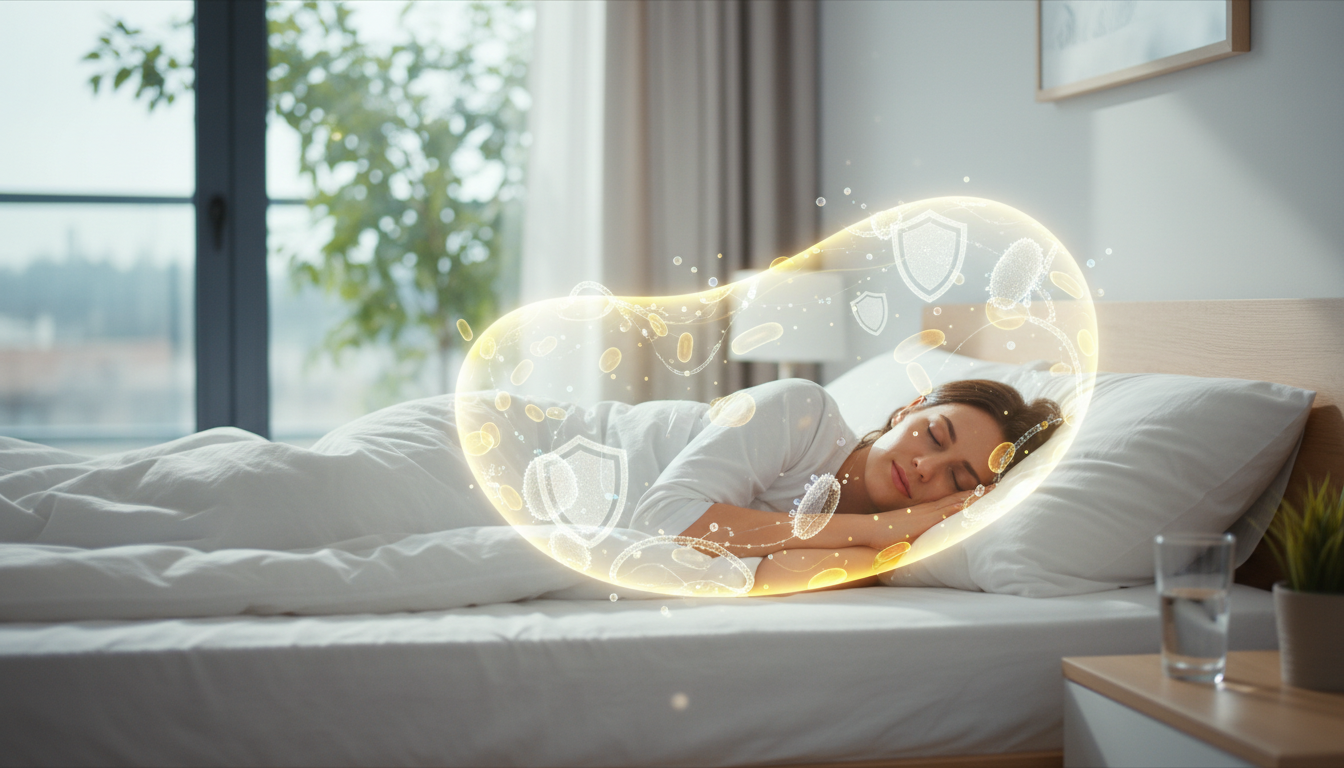
The Sleep-Immunity Connection: How Your Nightly Rest Determines Your Body’s Defense System and Lifespan
Sleep directly controls your immune system’s ability to fight infections, regulate inflammation, and maintain cellular health. During sleep, your body produces T-cells, consolidates immunological memories, and clears cellular debris, while sleep deprivation can reduce immune function by up to 70% in a single night. The relationship between sleep and immunity isn’t just important—it’s fundamental to human survival, determining how effectively your body defends against pathogens and maintains the cellular integrity that keeps you healthy as you age.
Every night, as you slip into unconsciousness, your body launches one of nature’s most sophisticated repair operations. While your conscious mind rests, your immune system works overtime—manufacturing infection-fighting cells, consolidating immunological memories, and clearing cellular debris that accumulates during waking hours. Miss out on quality sleep, and this intricate process crumbles, leaving you vulnerable to everything from common colds to chronic diseases that can shorten your lifespan by decades.
The Science Behind Sleep’s Immune Powers
During deep sleep, your body produces growth hormone that stimulates T-cell production, while your brain’s glymphatic system removes up to 60% more metabolic waste than during waking hours. This synchronized repair operation manufactures infection-fighting cells, consolidates immunological memories, and clears toxic proteins associated with neurodegenerative diseases.
Research published in the Journal of Experimental Medicine demonstrates that T-cell efficiency drops by up to 70% after just one night of sleep deprivation. Your lymphatic system, often called the brain’s “glymphatic” network, becomes dramatically more active during sleep. This biological cleaning crew removes metabolic waste products, including amyloid-beta plaques associated with Alzheimer’s disease and other neurodegenerative conditions. Studies from the National Institute of Neurological Disorders and Stroke show that cerebrospinal fluid flow increases by 60% during sleep, essentially power-washing your brain each night.
How Does Sleep Supercharge Your Defense System?
Growth hormone, primarily secreted during slow-wave sleep, stimulates the production of T-cells—specialized white blood cells that coordinate immune responses and directly attack infected cells. During deep sleep stages, your body produces and releases these crucial immune components with remarkable precision, creating the foundation for effective pathogen defense.
What Role Does Sleep Play in Immune Memory Formation?
Sleep enables your immune system to remember and rapidly respond to previously encountered threats through a process where dendritic cells migrate to lymph nodes and create long-lasting protective memories. This immunological memory formation explains why people who sleep poorly after vaccination often develop weaker antibody responses compared to well-rested individuals.
A landmark study tracking 164 healthy adults found that those sleeping fewer than six hours per night were four times more likely to catch a cold when exposed to rhinovirus compared to those sleeping seven or more hours. The mechanism involves reduced production of protective cytokines and antibodies that would normally neutralize invading pathogens.
The Dark Side: How Poor Sleep Destroys Immunity
Sleep deprivation triggers chronic inflammation by increasing pro-inflammatory cytokines like interleukin-6 and tumor necrosis factor-alpha, which damage tissues and contribute to cardiovascular disease, diabetes, and cancer. Even a single night of partial sleep deprivation can reduce natural killer cell activity by 70%, compromising your body’s first line of defense against tumors and virus-infected cells.
Research from UCLA’s Cousins Center for Psychoneuroimmunology revealed that even partial sleep deprivation (sleeping four hours instead of eight) for a single night reduced natural killer cell activity by 70%. Natural killer cells are your body’s first line of defense against tumors and virus-infected cells, making this reduction particularly concerning for long-term health.
How Does Sleep Deprivation Cause Chronic Inflammation and Accelerated Aging?
When you consistently sleep poorly, your body increases production of inflammatory markers that don’t just make you feel unwell—they actively damage tissues at the cellular level and accelerate biological aging. These inflammatory responses contribute to age-related diseases and can shorten your lifespan by decades through cumulative cellular damage.
Why Does Poor Sleep Elevate Stress Hormones?
Poor sleep elevates cortisol levels, creating a vicious cycle where chronically elevated cortisol reduces lymphocyte production, impairs vaccine responses, and increases susceptibility to infections. The National Sleep Foundation reports that people sleeping less than seven hours per night show cortisol patterns similar to those seen in chronic stress conditions.
To combat this cycle, many people find that incorporating stress relief practices like yoga into their daily routine can help regulate cortisol levels and improve sleep quality.
Sleep Quality vs. Quantity: What Really Matters
Sleep quality proves equally crucial as duration for immune function, with your immune system relying heavily on sustained periods of deep sleep for physical restoration and REM sleep for brain detoxification. While adults need 7-9 hours of sleep per night, fragmented sleep—even if total duration seems adequate—fails to provide the sustained deep sleep periods necessary for optimal immune function.
Your immune system relies on deep sleep (stages 3 and 4 of non-REM sleep) and REM sleep for different but complementary functions. Deep sleep promotes physical restoration and immune cell production, while REM sleep supports brain detoxification and stress hormone regulation. Mayo Clinic research indicates that adults need 7-9 hours of sleep per night, but the distribution of sleep stages matters enormously.
What Is Sleep Efficiency and Why Does It Matter for Immunity?
Sleep efficiency, calculated as the percentage of time in bed actually spent sleeping, serves as a better predictor of immune health than total sleep time alone. High-quality sleep typically involves sleep efficiency above 85%, with minimal nighttime awakenings and adequate time spent in each sleep stage.
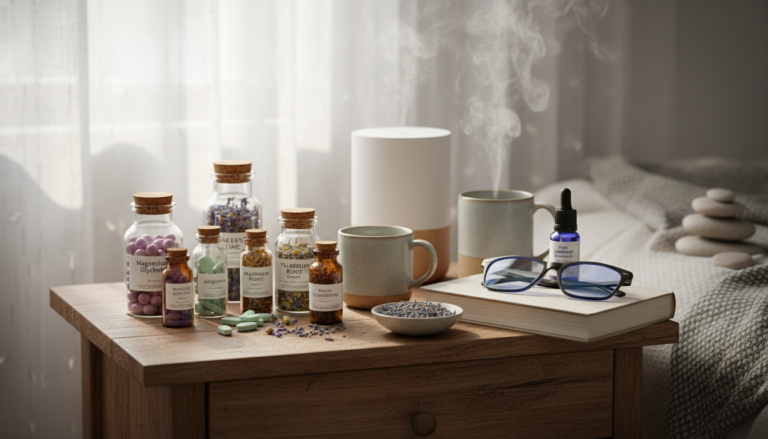
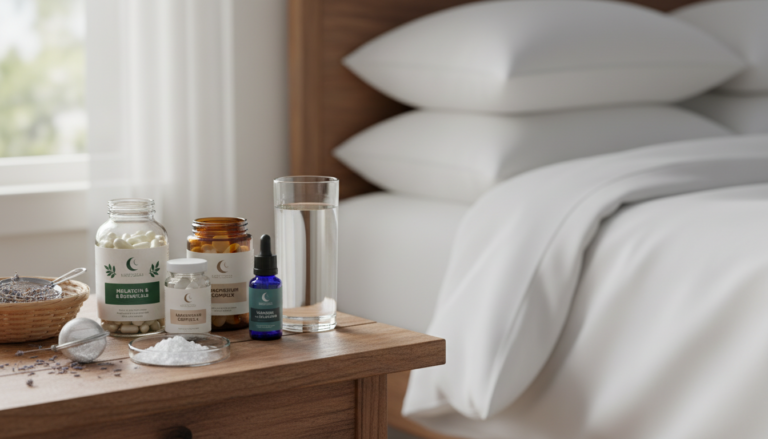
If you struggle with sleep efficiency, exploring natural supplements for better sleep may provide evidence-based solutions to enhance your rest quality.
Can Sleep Architecture Affect Your Immune Response?
The distribution of sleep stages matters enormously for immune function, with deep sleep promoting immune cell production and REM sleep supporting stress hormone regulation. Fragmented sleep disrupts this architecture, preventing the sustained deep sleep periods your body needs to manufacture infection-fighting cells and consolidate immunological memories.
Evidence-Based Sleep Optimization Strategies
Core sleep hygiene fundamentals include maintaining bedroom temperatures between 65-68°F to facilitate the 2-3 degree core temperature drop necessary for sleep initiation, establishing consistent sleep-wake schedules, and creating an optimal sleep environment. These evidence-based strategies directly support the deep sleep stages critical for immune cell production and brain detoxification.
Your body’s core temperature must drop 2-3 degrees Fahrenheit to initiate sleep. Maintain bedroom temperatures between 65-68°F (18-20°C) and consider cooling mattress technologies or weighted blankets that promote temperature regulation without overheating.
Optimizing your sleep hygiene should be a cornerstone of creating a personalized wellness routine that supports both immune function and overall health. Additionally, establishing a morning routine for optimal mental health can help reinforce healthy sleep-wake cycles that strengthen your body’s natural defense mechanisms.
What Are the Most Effective Temperature Regulation Strategies for Better Sleep?
Maintaining bedroom temperatures between 65-68°F facilitates the core temperature drop your body needs to initiate sleep, while cooling technologies and breathable bedding materials help sustain optimal thermal conditions throughout the night. Temperature regulation directly impacts sleep quality and the immune-supporting deep sleep stages.
Frequently Asked Questions About Sleep and Immunity
How does sleep affect immune system function?
Sleep directly controls immune function by producing T-cells, natural killer cells, and protective cytokines during deep sleep stages. During sleep, your body also consolidates immunological memories and removes cellular waste through the glymphatic system. Even one night of poor sleep can reduce immune cell activity by 70%, significantly compromising your body’s ability to fight infections and maintain cellular health.
What is the sleep immunity connection?
The sleep immunity connection refers to the fundamental relationship where nightly rest determines how effectively your body defends against pathogens, regulates inflammation, and maintains cellular integrity. During sleep, your immune system manufactures infection-fighting cells, consolidates memories of previous threats, and clears metabolic waste. Chronic sleep deprivation triggers inflammatory responses that accelerate aging and increase susceptibility to chronic diseases.
How many hours of sleep do you need for optimal immune function?
Adults need 7-9 hours of quality sleep per night for optimal immune function, with sleep quality being equally important as duration. Sleep efficiency above 85% with adequate time in deep sleep stages is crucial. Studies show that sleeping fewer than six hours per night makes you four times more likely to catch a cold when exposed to viruses compared to sleeping seven or more hours.
Can poor sleep quality weaken your immune system permanently?
Chronic sleep deprivation causes sustained immune suppression through elevated cortisol levels, reduced lymphocyte production, and increased inflammatory markers. While occasional poor sleep causes temporary immune reduction, consistent sleep deprivation over months or years contributes to accelerated biological aging and increased risk of chronic diseases. However, improving sleep quality can restore immune function, though recovery time varies based on duration of sleep debt.
Does sleep deprivation affect vaccine effectiveness?
Sleep deprivation significantly impairs vaccine responses by disrupting the immunological memory formation process that occurs during sleep. People who sleep poorly after vaccination develop weaker antibody responses because dendritic cells require adequate sleep to migrate to lymph nodes and present antigens to T-cells. Getting sufficient sleep before and after vaccination maximizes protective antibody production and long-term immunity.
What sleep stages are most important for immune system health?
Deep sleep (stages 3 and 4 of non-REM sleep) is crucial for physical restoration and immune cell production, while REM sleep supports brain detoxification and stress hormone regulation. During deep sleep, your body produces growth hormone that stimulates T-cell production. Both sleep stages work complementarily—fragmented sleep that disrupts these stages compromises immune function even if total sleep duration appears adequate.
How does the circadian rhythm affect immunity?
Your circadian rhythm regulates immune cell production, inflammatory responses, and pathogen defense on a 24-hour cycle. Disruption of circadian rhythms through irregular sleep schedules or shift work impairs immune function by desynchronizing the timing of immune cell release and cytokine production. Consistent sleep-wake schedules that align with natural light-dark cycles optimize circadian-regulated immune processes and enhance overall immune resilience.
Can improving sleep reverse damage to the immune system?
Improving sleep quality and duration can significantly restore immune function by normalizing T-cell production, reducing inflammatory markers, and rebalancing stress hormones. While some effects of chronic sleep deprivation may persist, studies show measurable improvements in natural killer cell activity, antibody responses, and inflammatory markers within weeks of establishing healthy sleep patterns. The extent of recovery depends on the duration and severity of prior sleep deprivation.