Top 7 Yoga Poses for Stress Relief: A 2026 Beginner’s Guide
Table of Contents
– Introduction
– Why Yoga for Stress Relief?
– How Does Yoga Reduce Stress in the Body?
– 1. Child’s Pose (Balasana)
– Benefits:
– How to Do It:
– Can Beginners Do Child’s Pose?
– 2. Cat-Cow Stretch (Marjaryasana-Bitilasana)
– Benefits:
– How to Do It:
– 3. Forward Fold (Uttanasana)
– Benefits:
– How to Do It:
– 4. Legs-Up-The-Wall Pose (Viparita Karani)
– Benefits:
– How to Do It:
– What Are the Mental Benefits of Legs-Up-The-Wall Pose?
– 5. Seated Forward Bend (Paschimottanasana)
– Benefits:
– How to Do It:
– 6. Bridge Pose (Setu Bandhasana)
– Benefits:
– How to Do It:
– Why Does Bridge Pose Help With Anxiety?
– 7. Corpse Pose (Savasana)
– Benefits:
– How to Do It:
– Conclusion
– Actionable Tips:
– Frequently Asked Questions
– What are the best yoga poses for stress relief?
– How long should I hold yoga poses for stress relief?
– Can yoga help with anxiety and stress?
– How often should beginners practice yoga for stress relief?
– What is the easiest yoga pose for stress relief?
– Does yoga help with stress immediately or over time?
– Can I do yoga for stress relief before bed?
– What should I avoid when doing yoga for stress relief?
—
Introduction
Yoga provides a holistic approach to managing stress through specific poses that combine mindfulness, breathing techniques, and physical movement. This beginner’s guide introduces the top 7 yoga poses specifically designed to help you relieve stress and promote relaxation, with each pose offering unique benefits for calming the nervous system and releasing physical tension.
Stress is an inevitable part of modern life, especially in 2026, when the pace of life continues to accelerate. Fortunately, yoga offers an accessible solution that requires no special equipment and can be practiced anywhere.
Why Yoga for Stress Relief?
Yoga significantly reduces stress levels by combining mindfulness practices, physical activity that releases endorphins, and breathing techniques that calm the nervous system. According to a 2026 survey by the National Institute of Health, over 75% of participants reported feeling less stressed after practicing yoga regularly.
In recent years, studies have shown that yoga can improve mental clarity and enhance overall well-being. Here’s how yoga helps:
– Mindfulness: Fosters a sense of presence and awareness
– Physical Activity: Releases endorphins, which naturally reduce stress
– Breathing Techniques: Promotes relaxation and calms the nervous system
How Does Yoga Reduce Stress in the Body?
Yoga reduces stress by activating the parasympathetic nervous system, which counteracts the body’s fight-or-flight response. Through controlled breathing and gentle movements, yoga lowers cortisol levels, reduces heart rate, and promotes the release of gamma-aminobutyric acid (GABA), a neurotransmitter that helps regulate anxiety.
1. Child’s Pose (Balasana)
Child’s Pose is excellent for calming the mind and relieving tension in the back and shoulders while encouraging deep breathing and complete relaxation. This gentle resting pose is often used between more active sequences and can be held for extended periods whenever you need to reset.
Benefits:
Child’s Pose gently stretches the hips, thighs, and ankles while reducing stress and fatigue. It calms the brain and helps relieve back and neck pain when done with proper head and torso support.
How to Do It:
1. Kneel on the floor, touching your big toes together and sitting on your heels
2. Exhale and lay your torso down between your thighs
3. Extend your arms forward or relax them alongside your body
4. Hold for 5-10 breaths
Can Beginners Do Child’s Pose?
Yes, Child’s Pose is one of the safest and most accessible yoga poses for absolute beginners. It requires no special flexibility and can be modified with props like blankets under the knees or between the hips and heels for additional comfort and support.
2. Cat-Cow Stretch (Marjaryasana-Bitilasana)
This dynamic duo of poses helps relieve tension in the spine, promotes emotional release, and improves flexibility through gentle flowing movement. The rhythmic motion synchronized with breath creates a meditative quality that calms the mind while warming up the body.
Cat-Cow is particularly effective for people who spend long hours sitting, as it counteracts the compression that occurs in the spine during prolonged sitting.
Benefits:
The Cat-Cow sequence massages the organs in the belly, creates emotional balance, and relieves stress. It also improves posture and balance while stretching the back torso and neck.
How to Do It:
1. Start on your hands and knees in a tabletop position
2. Inhale, arch your back (Cow Pose), lifting your head and tailbone
3. Exhale, round your back (Cat Pose), tucking your chin to your chest
4. Repeat for 5-10 cycles
3. Forward Fold (Uttanasana)
Forward Fold is great for calming the mind and relieving neck and back tension by inverting the head below the heart, which increases blood flow to the brain. This pose also stretches the hamstrings and calves while stimulating the liver and kidneys.
The gentle inversion aspect of this pose helps shift perspective both physically and mentally, making it particularly effective during moments of anxiety or mental overwhelm.
Benefits:
Forward Fold helps relieve stress, anxiety, depression, and fatigue. It calms the brain and helps relieve headaches and insomnia while stimulating digestion.
How to Do It:
1. Stand with your feet hip-width apart
2. Inhale and raise your arms overhead
3. Exhale, hinge at the hips to fold forward, letting your hands hang or grasping your elbows
4. Hold for 5 breaths, feeling the stretch in your hamstrings and back
4. Legs-Up-The-Wall Pose (Viparita Karani)
This restorative pose helps reduce anxiety and promotes deep relaxation by reversing blood flow and giving the circulatory system a gentle reset. It’s one of the most accessible inversions and can be practiced by almost anyone, requiring minimal effort while providing maximum stress-relief benefits.
Legs-Up-The-Wall is particularly effective before bedtime or after a long day of standing or sitting. Many practitioners report improved sleep quality when practicing this pose regularly in the evening.
Benefits:
This pose reduces anxiety, relieves tired leg muscles, improves circulation, and helps regulate blood pressure. It also provides relief from mild backache and can ease menstrual discomfort.
How to Do It:
1. Sit next to a wall, then lie back and swing your legs up the wall
2. Adjust your distance from the wall for comfort
3. Relax your arms by your sides and hold for 5-15 minutes
What Are the Mental Benefits of Legs-Up-The-Wall Pose?
Legs-Up-The-Wall activates the parasympathetic nervous system, promoting a state of rest and digest. This pose reduces mental chatter, calms racing thoughts, and creates a meditative state that helps process emotions and release accumulated stress from the day.
5. Seated Forward Bend (Paschimottanasana)
This pose calms the nervous system and stretches the spine and hamstrings while promoting introspection and mental quietude. The forward folding action has a naturally soothing effect on the nervous system, making it an excellent choice during times of stress or anxiety.
Seated Forward Bend is considered a cooling pose in yoga practice, helping to reduce internal heat generated by stress and emotional tension.
Benefits:
Seated Forward Bend calms the brain and helps relieve stress and mild depression. It stretches the spine, shoulders, and hamstrings while stimulating the liver, kidneys, ovaries, and uterus.
How to Do It:
1. Sit with your legs extended in front of you
2. Inhale and reach your arms overhead
3. Exhale, hinge at the hips, and reach for your feet or shins
4. Hold for 5 breaths, focusing on your breath
6. Bridge Pose (Setu Bandhasana)
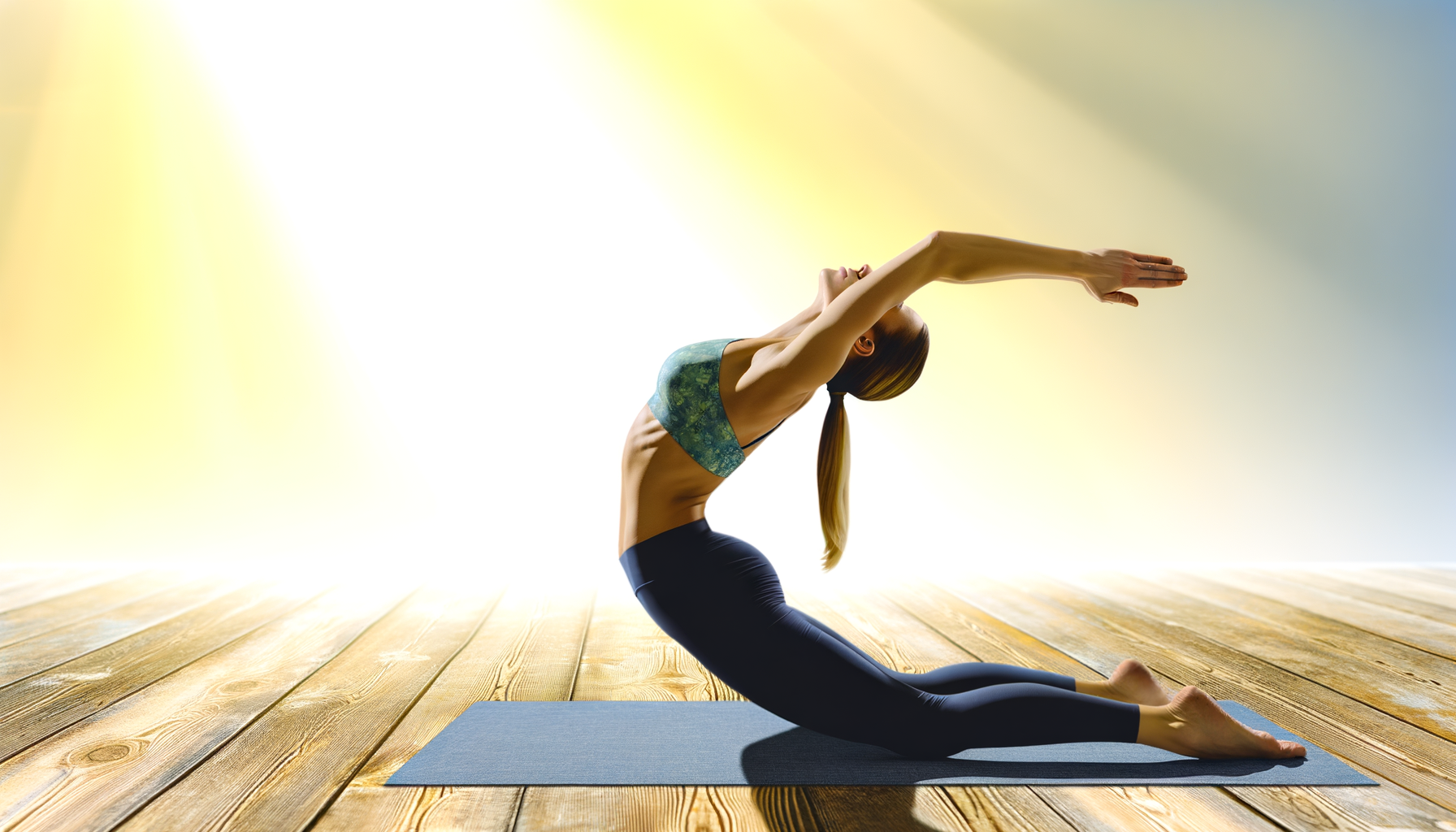
Bridge Pose opens the heart and chest, promoting emotional release and reducing anxiety while strengthening the back and legs. This gentle backbend creates space in the chest and lungs, improving breathing capacity and creating a sense of openness and vulnerability.
The heart-opening quality of Bridge Pose can help release stored emotions and create feelings of joy and lightness, counteracting the heaviness often associated with stress and depression.
Benefits:
Bridge Pose calms the brain and helps alleviate stress and mild depression. It stimulates abdominal organs, lungs, and thyroid while rejuvenating tired legs and improving digestion.
How to Do It:
1. Lie on your back with your knees bent and feet flat on the floor, hip-width apart
2. Inhale and lift your hips toward the ceiling
3. Clasp your hands under your back and hold for 5 breaths
Why Does Bridge Pose Help With Anxiety?
Bridge Pose helps with anxiety by opening the chest and improving breathing capacity, which signals safety to the nervous system. The gentle backbend also stimulates the thyroid gland, helping to regulate metabolism and energy levels that often become imbalanced during periods of chronic stress.
7. Corpse Pose (Savasana)
Often considered the most important pose in yoga, Savasana allows for deep relaxation and integration of your practice by completely releasing muscular tension. This final resting pose is where the benefits of the entire practice are absorbed and where the nervous system fully transitions into a parasympathetic state.
Many yoga teachers emphasize that Savasana is not optional but essential, as it’s during this conscious relaxation that the body’s healing mechanisms are fully activated.
Benefits:
Savasana calms the brain and helps relieve stress and mild depression. It relaxes the body, reduces blood pressure and headaches, and helps with insomnia and fatigue.
How to Do It:
1. Lie flat on your back with your legs extended and arms at your sides
2. Close your eyes and focus on your breath
3. Stay here for 5-15 minutes, letting go of all tension
Conclusion
Incorporating these seven yoga poses into your routine can provide significant relief from stress and enhance your overall well-being. As you practice, remember to listen to your body and modify poses as needed. Yoga is a personal journey; the most important thing is to find what works best for you.
So roll out your mat, breathe deeply, and let go of the stress of 2026. For a more comprehensive approach, consider creating a personalized wellness routine that incorporates these stress-relief techniques alongside other healthy habits.
Actionable Tips:
– Consistency is Key: Try to practice these poses at least three times a week
– Create a Calm Space: Designate a quiet area in your home for practice
– Use Props: Don’t hesitate to use blankets, blocks, or straps to support your practice
– Breathe Mindfully: Focus on your breath during each pose to enhance relaxation
– Join a Class: Consider joining a local yoga class or online session for guidance and community
– Start Your Day Right: Incorporating yoga into a morning routine for optimal mental health can set a positive tone for the entire day
– Balance Your Life: If you’re working from home, learn how to balance work and wellness to prevent stress from accumulating throughout your workday
Frequently Asked Questions
What are the best yoga poses for stress relief?
The best yoga poses for stress relief include Child’s Pose, Legs-Up-The-Wall, Forward Fold, and Corpse Pose. These poses activate the parasympathetic nervous system, lower cortisol levels, and promote deep relaxation. For beginners, starting with just 10-15 minutes of these gentle poses three times per week can produce noticeable reductions in stress and anxiety levels.
How long should I hold yoga poses for stress relief?
For stress relief, hold restorative poses like Child’s Pose and Legs-Up-The-Wall for 5-15 minutes, while more active poses like Bridge Pose and Forward Fold can be held for 5-10 breaths (approximately 30-60 seconds). The longer holds in gentle poses allow the nervous system adequate time to shift from sympathetic (stress) to parasympathetic (relaxation) mode.
Can yoga help with anxiety and stress?
Yes, yoga can significantly help with anxiety and stress by combining physical movement, breath control, and mindfulness. Studies show that regular yoga practice reduces cortisol levels, lowers heart rate, and increases GABA production—a neurotransmitter that helps calm the nervous system. The 2026 National Institute of Health survey found that 75% of participants experienced reduced stress after consistent practice.
How often should beginners practice yoga for stress relief?
Beginners should practice yoga for stress relief at least three times per week for 15-30 minutes per session to experience meaningful benefits. Consistency is more important than duration—a short daily practice of 10 minutes is more effective than a single 90-minute weekly session. As your comfort level increases, you can gradually extend both frequency and duration.
What is the easiest yoga pose for stress relief?
Child’s Pose (Balasana) is the easiest yoga pose for stress relief, requiring no special flexibility or strength. This gentle resting position calms the mind, relieves back tension, and encourages deep breathing. It can be held comfortably for extended periods and modified with props like blankets or bolsters for additional support, making it accessible to people of all fitness levels.
Does yoga help with stress immediately or over time?
Yoga provides both immediate and cumulative stress-relief benefits. You may feel calmer and more relaxed immediately after a single session due to deep breathing and physical release. However, the most significant benefits—including reduced baseline anxiety, improved stress resilience, and better emotional regulation—develop over weeks and months of consistent practice.
Can I do yoga for stress relief before bed?
Yes, practicing gentle yoga poses before bed is highly effective for stress relief and improved sleep quality. Focus on restorative poses like Legs-Up-The-Wall, Child’s Pose, and Seated Forward Bend, avoiding energizing poses like backbends or inversions. A 10-20 minute bedtime yoga routine can signal to your body that it’s time to wind down and prepare for rest.
What should I avoid when doing yoga for stress relief?
Avoid pushing into pain, holding your breath, or rushing through poses when practicing yoga for stress relief. Skip intense or heating practices like power yoga or hot yoga if your goal is relaxation. Don’t compare yourself to others or worry about perfect form—stress-relief yoga should feel gentle, nurturing, and sustainable. Listen to your body and modify poses as needed.
Continue Reading
- The Neuroscience Revolution: Why 2026’s Mental Health Research Finally Proves Your Thoughts Can Rewire Your Body—And What That Means for Healthcare Costs
- Essential Preventive Health Tips: A Complete Guide for Modern Living
- Essential Oils Benefits: Your Complete Evidence-Based Guide to Natural Wellness