
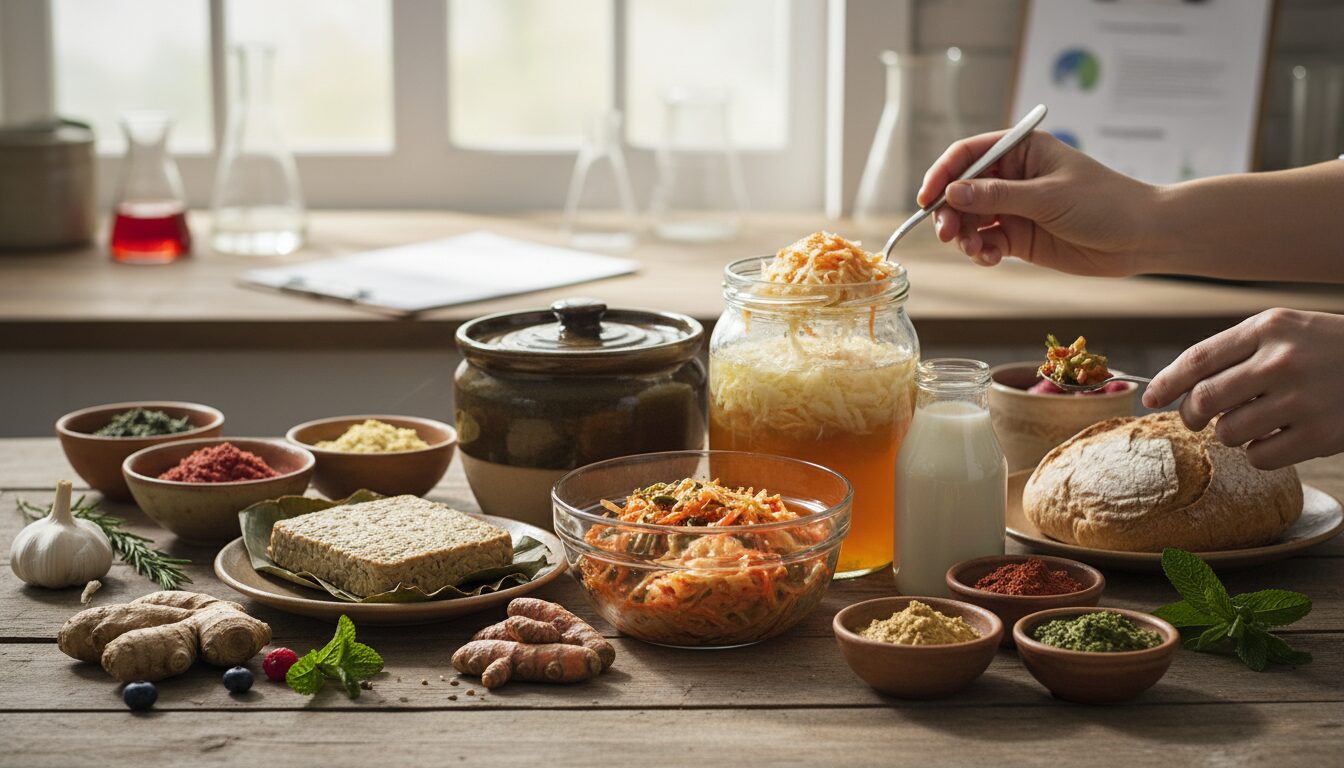
Gut Health Fermented Foods: Benefits and Best Options
Table of Contents
- Why Are Fermented Foods Good for Your Gut?
- Best Fermented Foods for Gut Health
- Top 10 Fermented Foods for Digestive Support
- How Often Should You Eat Fermented Foods?
- Fermented Foods and Inflammation
- Dangers of Fermented Foods: What to Watch For
- Food Safety Red Flags
- Who Should Exercise Caution
- How to Stop Food Fermenting in Stomach
- Immediate Solutions
- Long-term Prevention
- Fermented Foods for Specific Digestive Conditions
- SIBO (Small Intestinal Bacterial Overgrowth)
- IBS (Irritable Bowel Syndrome)
- Transitioning from Store-Bought to Homemade Safely
- Essential Safety Principles
- Beginner-Friendly Options
- Troubleshooting Failed Fermentation
- Fermented Foods Interactions with Medications
- Antibiotic Considerations
- Immunosuppressive Medications
- Blood-Thinning Medications
- Timing Fermented Foods with Gut Healing Protocols
- The 4R Gut Healing Framework
- Sequencing with Other Interventions
- Your Questions Answered
- Can I eat fermented foods every day?
- What happens if I eat too many fermented foods?
- Are store-bought fermented foods as good as homemade?
- Can fermented foods help with weight loss?
- Should I take probiotic supplements instead of eating fermented foods?
- How long does it take to see benefits from fermented foods?
- Can children eat fermented foods safely?
At a Glance: Gut health fermented foods contain beneficial bacteria that support digestive wellness when consumed regularly and safely. The most effective options include kefir, sauerkraut, kimchi, and fermented pickles, with optimal consumption being 1-2 servings daily for most people.
What You’ll Learn:
1. The science behind why fermented foods benefit gut health
2. Which fermented foods provide the most digestive support
3. How often you should consume fermented foods safely
4. Warning signs and potential dangers to avoid
5. Solutions for digestive issues like food fermenting in your stomach
6. How to transition from store-bought to homemade options
7. Special considerations for conditions like SIBO and IBS
Why Are Fermented Foods Good for Your Gut?
Fermented foods benefit gut health by introducing live beneficial bacteria that support digestive function, reduce inflammation, and strengthen the intestinal barrier. The fermentation process creates probiotics—living microorganisms that colonize your digestive tract and promote a balanced gut microbiome.
During fermentation, beneficial bacteria like Lactobacillus and Bifidobacterium break down sugars and starches, producing compounds that nourish your gut lining. These bacteria also create short-chain fatty acids, which reduce intestinal inflammation and support immune function. The National Center for Complementary and Integrative Health confirms that probiotics from fermented foods can help maintain digestive balance and support overall gut health.
The fermentation process also pre-digests proteins and carbohydrates, making nutrients more bioavailable and easier for your digestive system to process. This is particularly beneficial if you have compromised digestion or experience bloating with certain foods. For comprehensive digestive support, fermented foods work synergistically with other natural digestive remedies to optimize gut function.
Best Fermented Foods for Gut Health
The most beneficial fermented foods for digestive health include kefir, sauerkraut, kimchi, yogurt with live cultures, and naturally fermented pickles. These options provide diverse probiotic strains and are generally well-tolerated by most people.
If you’re looking to rebuild your digestive system comprehensively, consider following a structured approach detailed in our science-based guide to rebuilding your gut microbiome, which complements fermented food consumption with other evidence-based strategies.
Top 10 Fermented Foods for Digestive Support
| Fermented Food | Probiotic Strains | Best For | Considerations |
|---|---|---|---|
| Kefir | 12+ diverse strains | Overall gut health | Higher in probiotics than yogurt |
| Sauerkraut | Lactobacillus species | Digestive enzymes | Choose unpasteurized versions |
| Kimchi | Multiple lactobacilli | Anti-inflammatory benefits | May be too spicy for sensitive stomachs |
| Greek Yogurt | L. bulgaricus, S. thermophilus | Beginners | Ensure “live cultures” on label |
| Fermented Pickles | Lactobacillus plantarum | Convenient snacking | Avoid vinegar-based varieties |
| Kombucha | Various yeasts and bacteria | Hydration + probiotics | Watch sugar content |
| Miso | Aspergillus oryzae | Digestive enzymes | High sodium content |
| Tempeh | Rhizopus oligosporus | Protein + probiotics | Great meat alternative |
| Kvass | Lactobacillus species | Liver detox support | Traditional beet variety preferred |
| Fermented Salsa | Mixed lactobacilli | Flavor enhancement | Check for live cultures |
How Often Should You Eat Fermented Foods?
Most people benefit from consuming 1-2 servings of fermented foods daily, with each serving being approximately 1/4 to 1/2 cup depending on the food type. Start with smaller amounts (1-2 tablespoons) and gradually increase to assess your tolerance.
Consistency matters more than quantity when it comes to fermented foods. Regular daily consumption allows beneficial bacteria to establish and maintain colonies in your digestive tract. However, some people may experience temporary digestive upset when first introducing fermented foods, so patience and gradual introduction are key.
Fermented Foods and Inflammation
Fermented foods possess potent anti-inflammatory properties through their probiotic content and bioactive compounds produced during fermentation. These foods can help reduce systemic inflammation by strengthening gut barrier function and modulating immune responses.
The anti-inflammatory benefits of fermented foods complement other dietary strategies. For those dealing with chronic inflammation, incorporating fermented foods alongside anti-inflammatory diet recipes can provide a comprehensive nutritional approach to reducing inflammation throughout the body.
Dangers of Fermented Foods: What to Watch For
While generally safe, fermented foods can pose risks including contamination, excessive histamine production, and adverse reactions in immunocompromised individuals. Understanding these dangers helps you consume fermented foods safely and recognize when to seek medical attention.
Food Safety Red Flags
- Off odors: Putrid, sulfur-like, or acetone smells indicate harmful bacteria
- Unusual colors: Pink or black discoloration in vegetables suggests contamination
- Fuzzy mold: Any fuzzy growth, especially blue or green mold
- Slimy texture: Excessive sliminess beyond normal fermentation
- Alcohol taste: Strong alcoholic flavors in non-alcoholic ferments
Who Should Exercise Caution
- Immunocompromised individuals
- People with histamine intolerance
- Those with severe gut dysbiosis
- Individuals taking immunosuppressive medications
- People with active SIBO or candida overgrowth
How to Stop Food Fermenting in Stomach
Food fermenting in your stomach typically results from poor digestion, eating too quickly, or consuming high-sugar foods that feed harmful bacteria. This condition, sometimes called gastric fermentation, causes bloating, gas, and discomfort.
Immediate Solutions
- Slow down eating: Chew each bite 20-30 times
- Reduce simple carbohydrates: Limit sugar, white bread, and processed foods
- Take digestive enzymes: Support protein and carbohydrate breakdown
- Drink peppermint tea: Soothes digestive tract and reduces gas
- Walk after meals: Gentle movement promotes digestion
Long-term Prevention
- Eat smaller, more frequent meals
- Avoid drinking large amounts of liquid with meals
- Address underlying digestive issues like low stomach acid
- Manage stress through relaxation techniques
- Consider probiotic supplementation under professional guidance
For persistent digestive issues causing food to ferment in your stomach, combining these strategies with other natural constipation remedies may help improve overall digestive function and regularity.
Fermented Foods for Specific Digestive Conditions
Different digestive conditions require tailored approaches to fermented food consumption, with some conditions benefiting from specific types while others may need temporary avoidance.
SIBO (Small Intestinal Bacterial Overgrowth)
SIBO requires careful fermented food selection since additional bacteria in the small intestine can worsen symptoms:
- Avoid during acute phases: Most fermented foods can feed bacterial overgrowth
- Consider after treatment: Reintroduce slowly once SIBO is addressed
- Best options for recovery: Fermented coconut products, small amounts of sauerkraut juice
- Monitor symptoms: Track bloating, gas, and abdominal pain
IBS (Irritable Bowel Syndrome)
IBS management with fermented foods depends on your specific triggers:
- IBS-C (constipation-predominant): Kefir and fermented vegetables may help
- IBS-D (diarrhea-predominant): Start with very small amounts, focus on yogurt
- IBS-M (mixed): Individual tolerance varies greatly
- FODMAP considerations: Many fermented foods are high in FODMAPs
Transitioning from Store-Bought to Homemade Safely
Making your own fermented foods allows better control over ingredients and probiotic diversity, but requires proper safety techniques to prevent contamination and ensure successful fermentation.
Essential Safety Principles
- Maintain proper salt ratios: 2-3% salt by weight for vegetables
- Use clean equipment: Sterilize all jars, utensils, and surfaces
- Control temperature: Most ferments prefer 65-72°F (18-22°C)
- Monitor pH levels: Successful ferments should reach pH 4.6 or lower
- Keep vegetables submerged: Use weights to prevent mold exposure
Beginner-Friendly Options
- Sauerkraut: Simple cabbage and salt fermentation
- Fermented salsa: High-acid environment reduces contamination risk
- Pickled vegetables: Quick ferments with established recipes
- Water kefir: Forgiving culture that’s hard to kill
Troubleshooting Failed Fermentation
- Too salty: Dilute with filtered water
- Not fermenting: Check temperature and salt concentration
- Mushy vegetables: Reduce fermentation time
- White film (kahm yeast): Usually safe but skim off surface
Fermented Foods Interactions with Medications
Fermented foods can interact with certain medications by affecting absorption, metabolism, or therapeutic effectiveness. Always consult healthcare providers before significantly increasing fermented food intake if you take medications.
Antibiotic Considerations
- Timing matters: Take fermented foods 2-3 hours apart from antibiotics
- Don’t stop antibiotics: Fermented foods supplement, not replace treatment
- Post-antibiotic recovery: Increase fermented foods after completing course
- Probiotic supplements: May be more appropriate during active treatment
Immunosuppressive Medications
- Infection risk: Live bacteria in fermented foods may pose risks
- Medical supervision: Discuss with prescribing physician
- Sterile alternatives: Consider pasteurized options or probiotic supplements
- Individual assessment: Risk varies by medication type and dosage
Blood-Thinning Medications
- Vitamin K content: Fermented vegetables may affect warfarin effectiveness
- Consistent intake: Maintain steady fermented food consumption
- Monitor INR levels: More frequent testing may be needed initially
- Communication: Inform healthcare team of dietary changes
Timing Fermented Foods with Gut Healing Protocols
Fermented foods work best when integrated thoughtfully into comprehensive gut healing protocols, with timing and sequencing affecting their effectiveness.
The 4R Gut Healing Framework
- Remove: Eliminate pathogens, toxins, and trigger foods
- Replace: Add digestive enzymes, stomach acid support
- Reinoculate: Introduce probiotics and fermented foods
- Repair: Support gut lining with nutrients and healing compounds
Fermented foods typically fit best in the “Reinoculate” phase, after removing harmful organisms and replacing digestive support.
Sequencing with Other Interventions
- After antimicrobial treatment: Allow 1-2 weeks before introducing fermented foods
- With prebiotic foods: Combine fermented foods with fiber-rich vegetables
- During stress management: Fermented foods support the gut-brain axis
- With sleep optimization: Quality sleep enhances beneficial bacteria colonization
Your Questions Answered
Can I eat fermented foods every day?
Yes, most people can safely eat fermented foods daily. Start with small amounts (1-2 tablespoons) and gradually increase to 1/4 to 1/2 cup per day. Daily consumption helps maintain beneficial bacterial populations in your gut, but listen to your body and reduce intake if you experience digestive discomfort.
What happens if I eat too many fermented foods?
Eating excessive amounts of fermented foods can cause digestive upset, including bloating, gas, diarrhea, and abdominal cramping. Some people may also experience histamine reactions like headaches or skin irritation. If you consume too much, reduce intake temporarily and reintroduce slowly.
Are store-bought fermented foods as good as homemade?
Store-bought fermented foods can be beneficial if they contain live cultures, but homemade versions often provide more diverse bacterial strains and avoid preservatives that may reduce probiotic viability. Look for refrigerated products with “live cultures” or “unpasteurized” on the label for maximum benefit.
Can fermented foods help with weight loss?
Fermented foods may support weight management indirectly by improving gut health, reducing inflammation, and supporting healthy metabolism. However, they’re not a magic weight loss solution. Focus on overall dietary patterns and lifestyle changes for sustainable weight management.
Should I take probiotic supplements instead of eating fermented foods?
Fermented foods offer advantages over supplements, including diverse bacterial strains, prebiotic fibers, and additional nutrients. However, high-quality probiotic supplements can be useful during specific treatments or for targeted therapeutic effects. Many people benefit from combining both approaches.
How long does it take to see benefits from fermented foods?
Some people notice improvements in digestion within days to weeks, while significant microbiome changes typically take 2-4 weeks of consistent consumption. Long-term benefits like improved immune function and inflammation reduction may take several months to fully develop.
Can children eat fermented foods safely?
Yes, fermented foods are generally safe for children and can support healthy gut development. Start with mild options like yogurt or small amounts of sauerkraut. Avoid high-sodium fermented foods and always introduce new foods gradually while monitoring for any adverse reactions.